

Travel guide
Morocco
Discover the land of slow-simmered tajines
Suggested itineraries
Best time to go
Apr – Oct
Explore by region
Search in Morocco
GEOGRAPHY & WEATHER
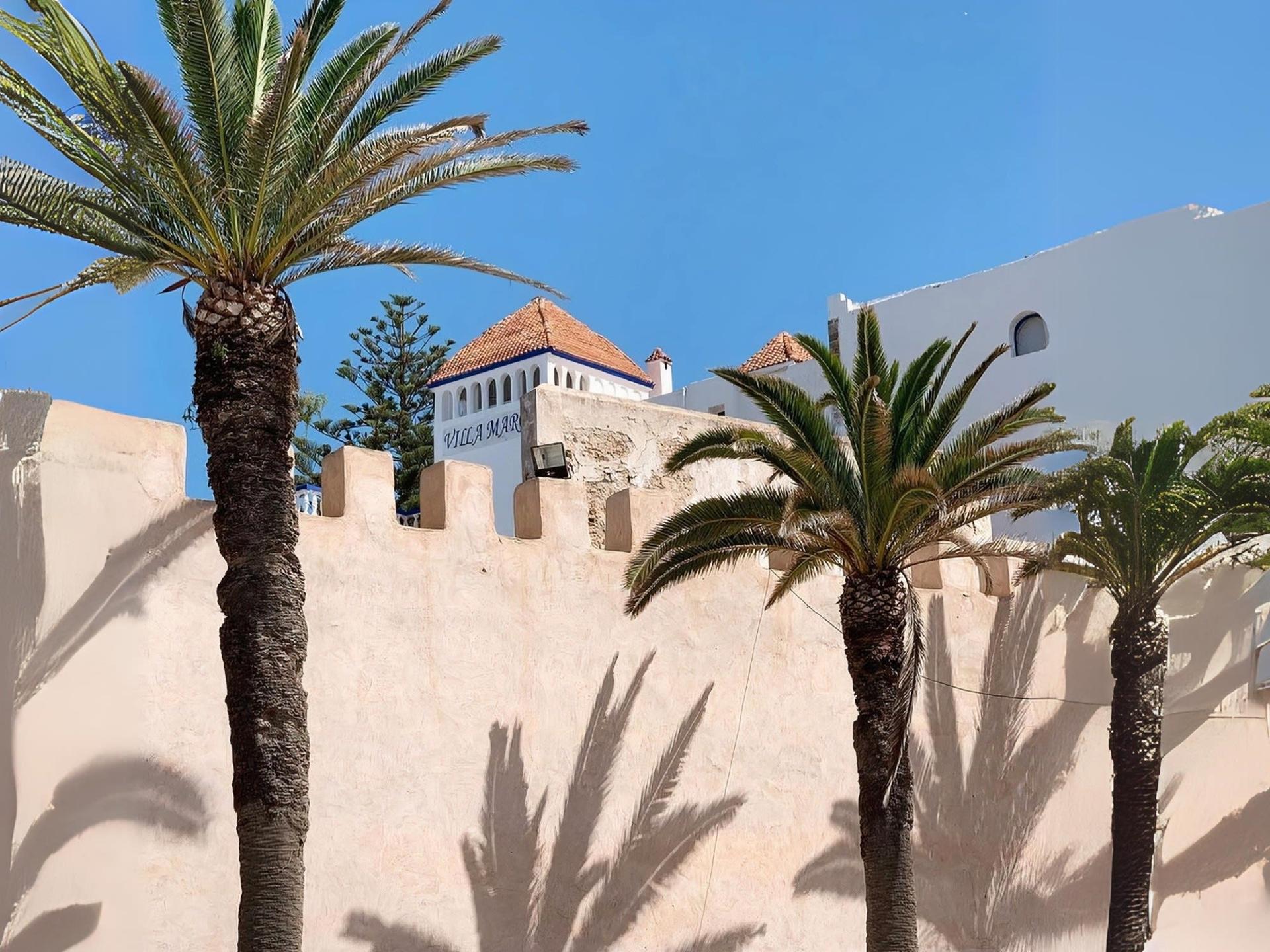
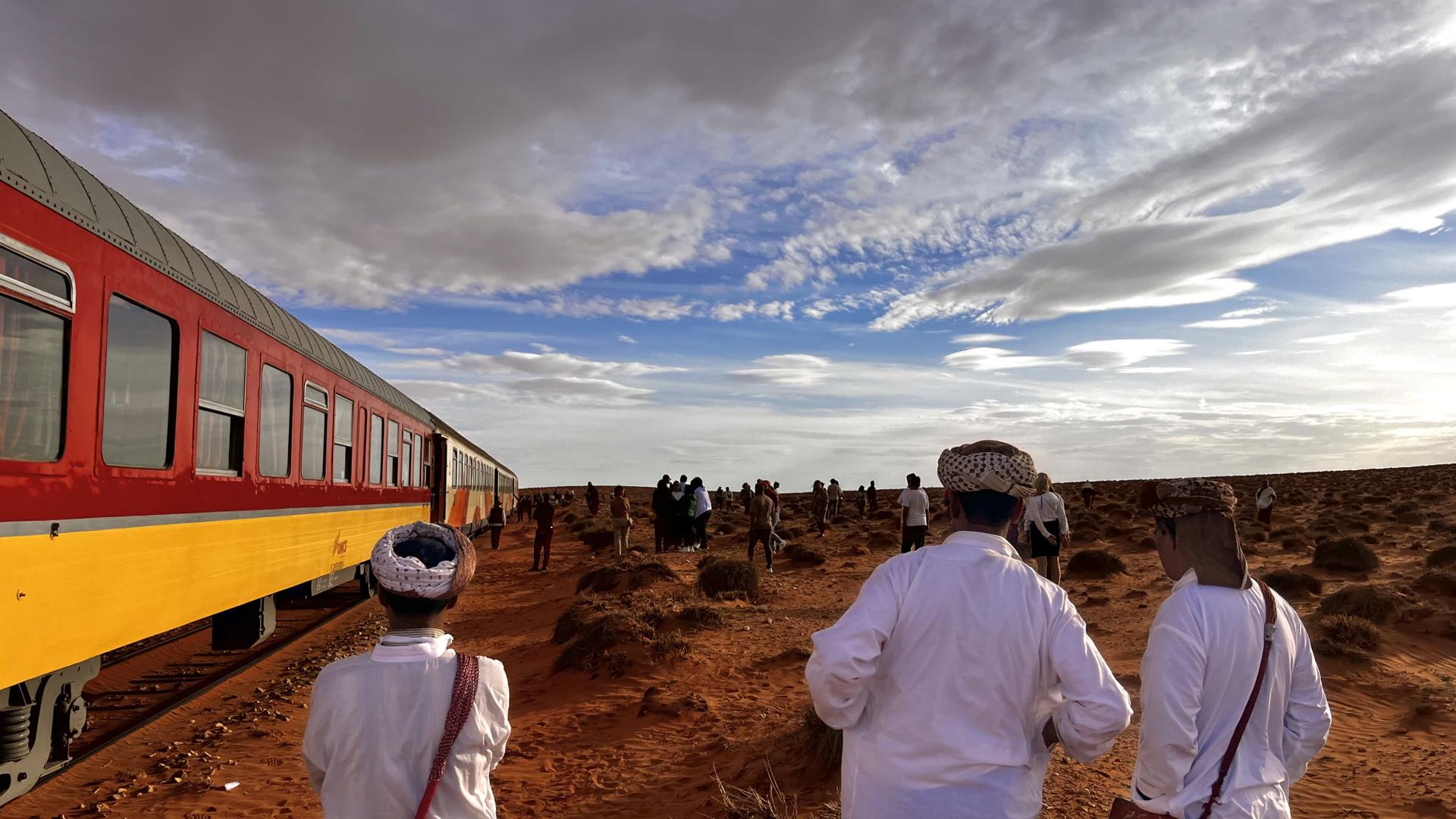
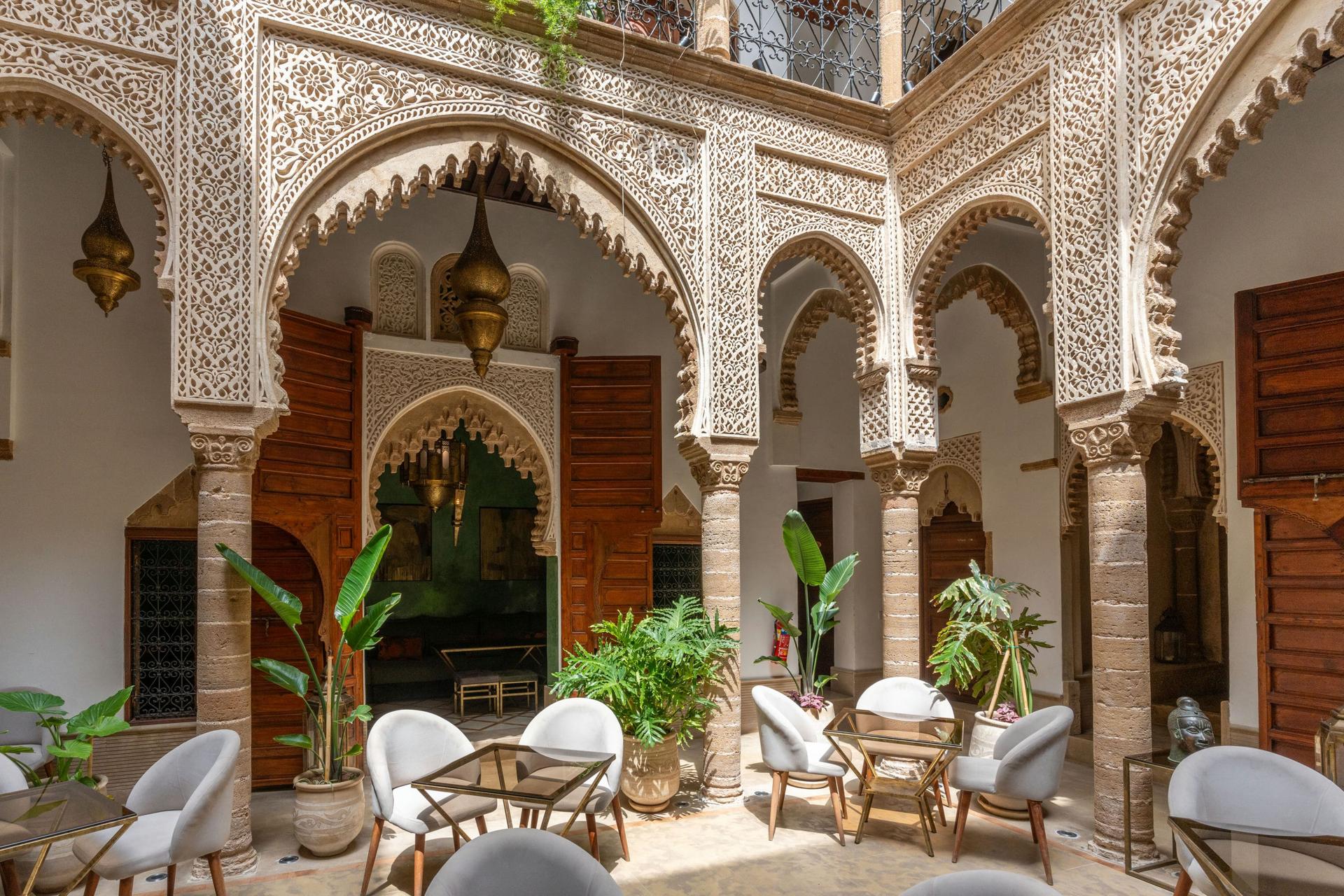
"Morocco enjoys a mix of Mediterranean and desert climates, creating striking seasonal contrasts. Autumn and spring are the ideal times to visit, with mild temperatures and landscapes in full bloom. Summer brings intense heat, while winter feels more intimate, especially in the mountains."

FREQUENTLY ASKED QUESTIONS ABOUT MOROCCO
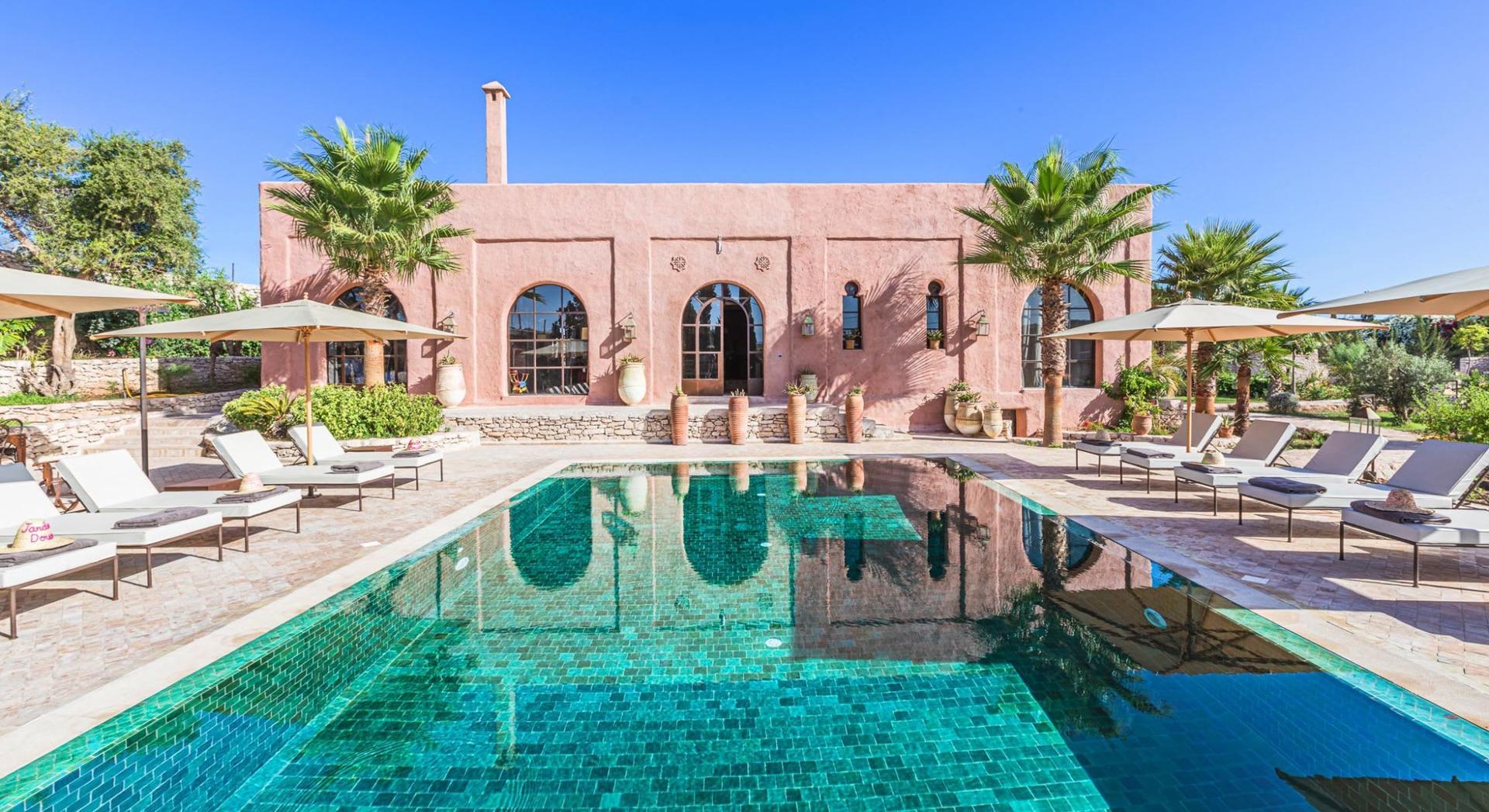
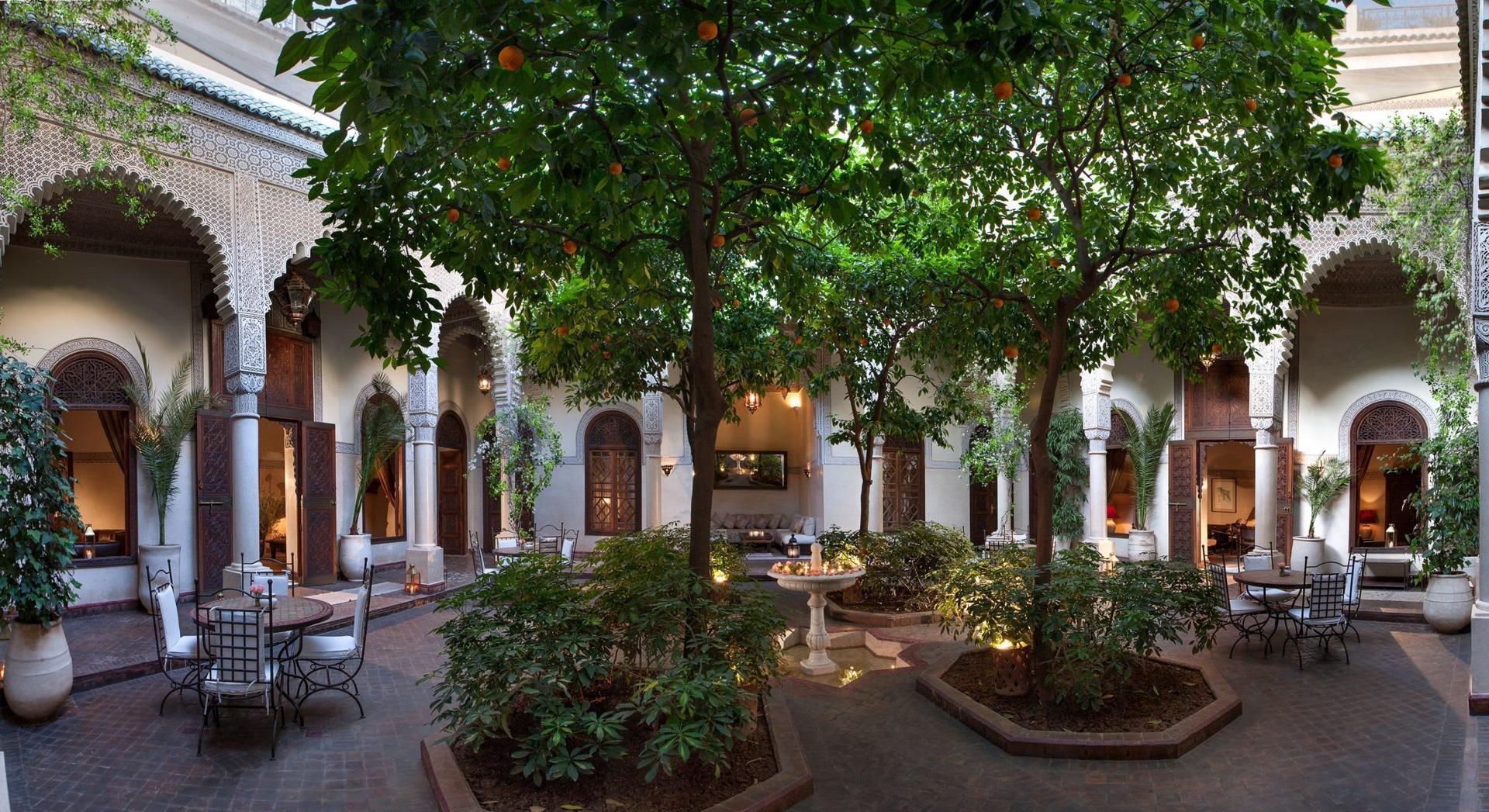
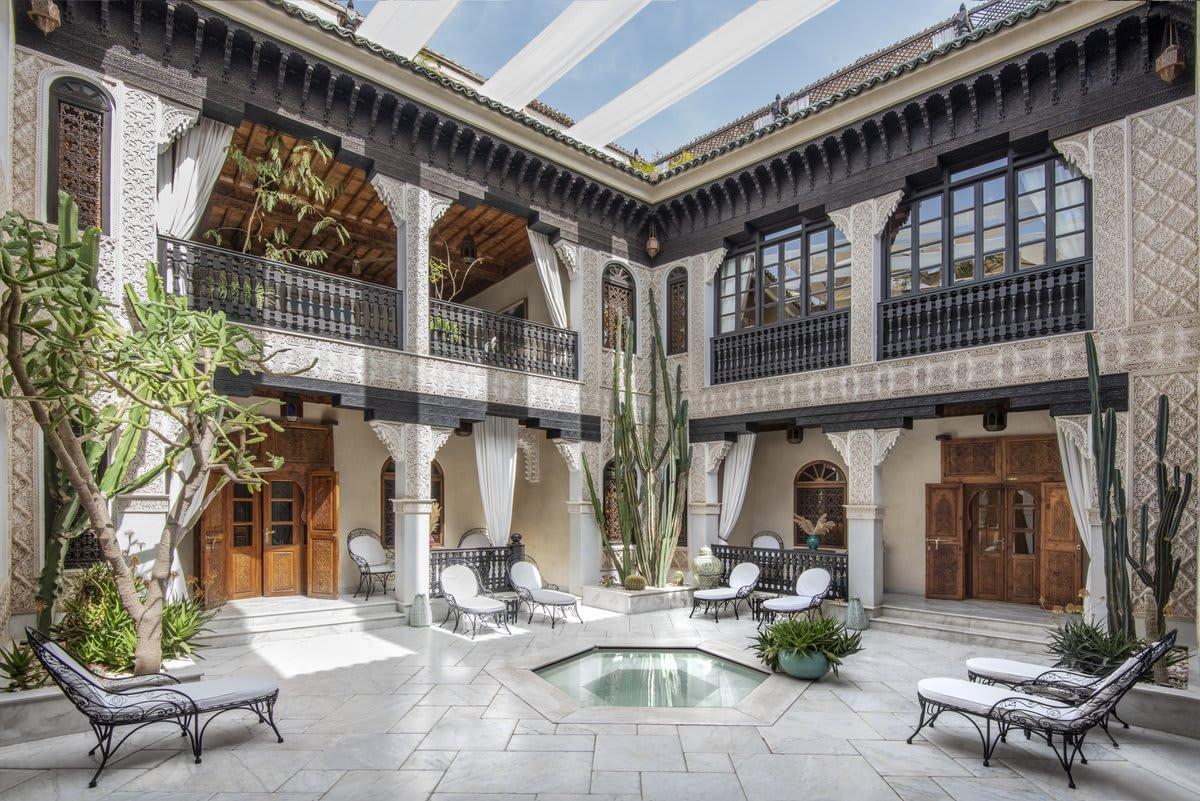
Morocco offers remarkable variety: the historic medinas of Fez and Marrakesh, landscapes ranging from the Sahara to the Atlas Mountains, well-preserved Andalusian architecture, refined cuisine and time-honoured crafts. Coastal cities add beaches to this cultural richness.
Morocco offers excellent value for money. Accommodation, dining and activities are generally affordable compared with European standards. Costs vary by region and by the type of places you choose, allowing for very different budget levels.
French nationals do not need a visa for Morocco. A valid passport is sufficient for a tourist stay of up to 90 days. On arrival, an entry stamp will be placed in your passport.
In Morocco, Moroccan Arabic (Darija) is the main mother tongue. Classical Arabic is used in administration and education. French remains widely spoken in business and education. Tamazight, the Amazigh language, has also been an official language since 2011.
Travel insurance is not compulsory in Morocco, but it is highly recommended. It covers medical expenses, trip cancellation and repatriation. Check that your policy includes your planned activities and confirm the details with your insurer before departure.
Morocco is generally considered safe for visitors. Major tourist cities such as Marrakesh, Fez and Casablanca are well secured. It is advisable to avoid certain border areas and to take the usual precautions you would follow on any trip.
Morocco mainly uses type C and E power sockets, with a voltage of 220 volts and a frequency of 50 Hz. Check that your devices are compatible and bring an adapter if needed.
People are drawn to Morocco for its diversity: historic medinas, varied landscapes (desert, mountains, coastline), traditional architecture, refined cuisine and Mediterranean climate. Cultural accessibility and competitive prices are also major advantages for visitors.
Complete Guide to Morocco
Traveling to Morocco
Morocco is served by several international airports, including Casablanca, Marrakech and Rabat, offering easy access from Europe, Africa and the Middle East. High-end travelers often opt for private transfers or concierge services for a personalized welcome. Entry formalities are generally straightforward for European nationals, but you should always check visa requirements according to your nationality.
How to plan your trip
For an exclusive stay, it is advisable to book luxury accommodation well in advance, from historic riads and 5-star hotels to private villas with tailored services. Specialist agencies can arrange bespoke experiences such as private desert excursions or guided visits to cultural sites. Plan private transfers as well to make the most of your time and travel in comfort.
Best time to visit Morocco
The best time to visit Morocco runs from April to June and from September to November, when the climate is mild and pleasant. Summer can be very hot, especially inland and in the south, while winter remains temperate on the coast but cool in the Atlas Mountains. Travelers seeking peace and quiet tend to favor the shoulder seasons to avoid peak visitor numbers.
Coasts and beaches
Morocco’s coastline is home to some renowned beaches, particularly around Essaouira, Agadir and Oualidia, where you’ll find upscale resorts and private seafront villas. Watersports enthusiasts are drawn to the excellent surfing and kitesurfing spots, while private beaches offer a more exclusive experience. Some properties also feature beach clubs reserved for in-house guests.
Gastronomy
Moroccan cuisine is celebrated for its richness and variety, with fine-dining addresses in Marrakech, Casablanca and Rabat. Travelers can enjoy exclusive culinary experiences such as private dinners in palaces or cooking classes with acclaimed chefs. Local specialties include couscous, tagine, pastilla and a wide array of pastries.
Culture
Morocco boasts an exceptional cultural heritage, visible in its UNESCO-listed medinas, palaces and museums. Art lovers can explore contemporary galleries or attend international festivals. Private tours can open doors to places usually closed to the public, offering a genuinely immersive insight into Moroccan history and traditions.
Religion
Islam is the majority religion in Morocco and shapes much of the architecture, customs and daily rhythm of life. Visitors are expected to respect local traditions, particularly during Ramadan and when near places of worship. Some mosques, such as the Hassan II Mosque in Casablanca, are open to non-Muslims on guided tours.
Safety and travel advice
Natural disasters
Morocco is exposed to seismic risks, mainly in the Atlas region, as well as occasional flooding during periods of heavy rain. It is wise to check local conditions before traveling in mountain or desert areas. High-end tourism infrastructure is generally well prepared for such eventualities.
Crime and security
Morocco is generally safe for visitors, but it is important to stay alert in major cities and tourist areas. Luxury hotels and resorts maintain high security standards, with surveillance and controlled access. It is advisable not to display valuables and to use reliable transport services.
Driving regulations
Driving in Morocco can differ from European standards, with dense traffic in major cities and sometimes narrow roads in rural areas. Many travelers opt for private drivers or organized transfers for greater comfort and safety. Seatbelts are compulsory and roadside checks are frequent.
Car theft
Car theft does occur, particularly in large urban areas. High-end properties usually offer secure parking and valet services. Never leave valuables in your vehicle and favor rentals from reputable agencies.
Travel insurance
Comprehensive travel insurance is strongly recommended, including medical cover, cancellation and baggage loss. Some luxury hotels and agencies offer additional guarantees or partnerships with international assistance providers. Always check terms and exclusions before you travel.