

Travel guide
United States
Set off to explore the land of the American dream.
Suggested itineraries
Best time to go
Apr – Oct

Explore by region
Search in the United States
THE BEST PLACES TO VISIT IN THE UNITED STATES


GEOGRAPHY & WEATHER
"The United States offers remarkable climatic diversity, from humid subtropical regions to arid deserts. Autumn and spring are the ideal seasons, with mild temperatures and ever‑changing landscapes. Summer brings intense heat and large tourist crowds, while winter unveils spectacular snowy scenery in the north."
CALIFORNIA
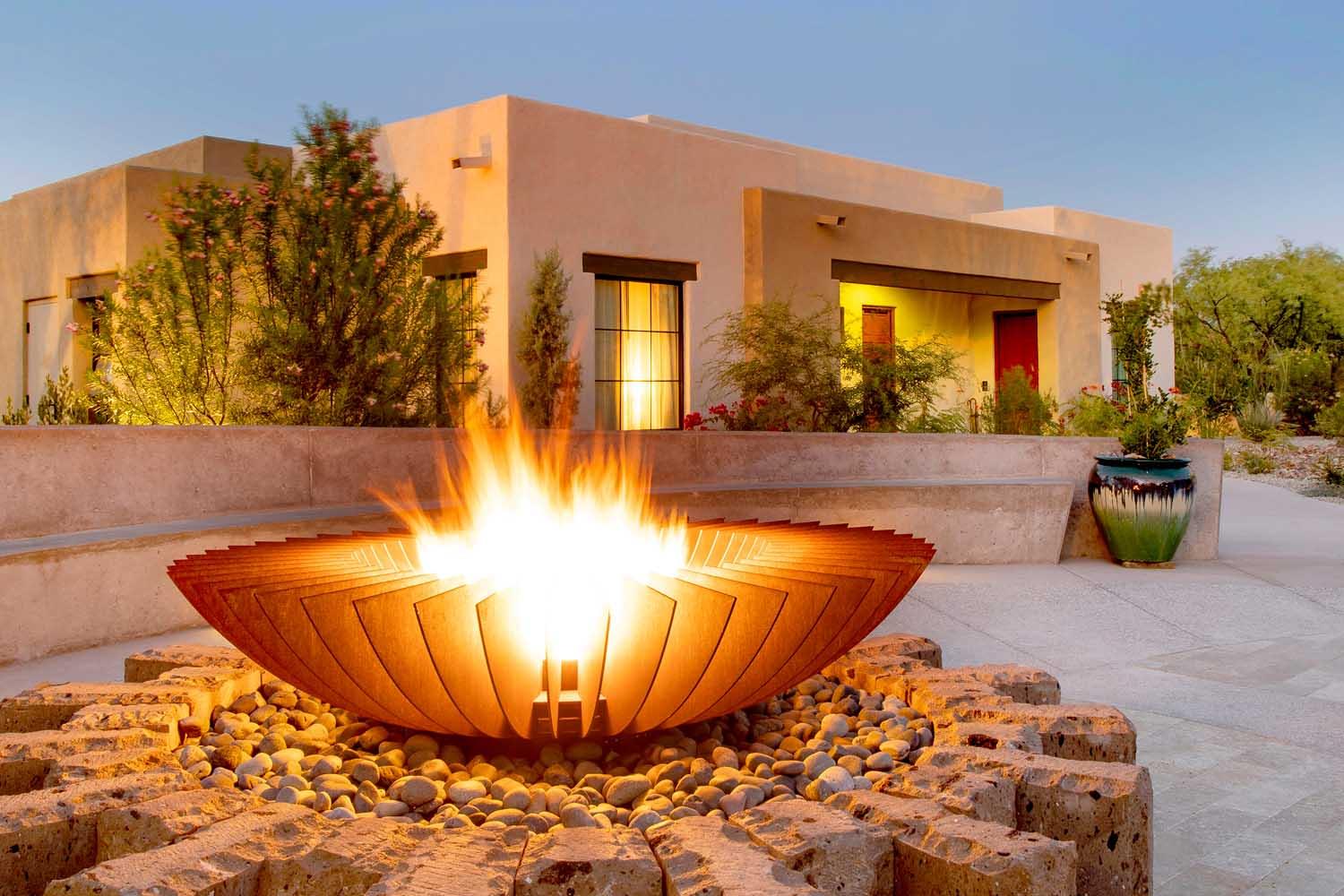
Canyon Ranch Woodside: a short‑lived legend in the California redwoods
Woodside
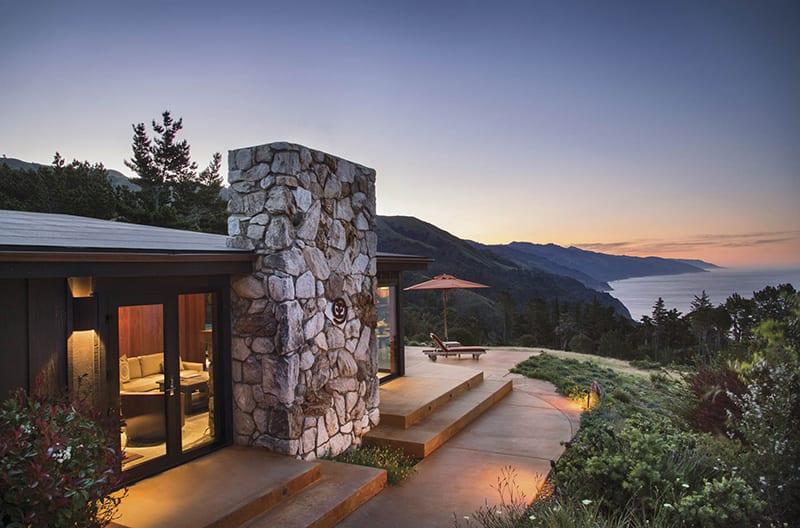
Post Ranch Inn: An Immersive, Low‑Impact Hideaway Above Big Sur
Big Sur

Four Seasons Resort Napa Valley: Where Luxury Meets Its Own Private Vineyard
Calistoga

Chateau Marmont: Hollywood’s Golden-Age Hideaway on Sunset Boulevard
Los Angeles


RUTHERFORD
SOUTHWESTERN UNITED STATES


FREQUENTLY ASKED QUESTIONS ABOUT THE UNITED STATES
The United States offers exceptional geographic diversity: Atlantic and Pacific coastlines, the Rocky Mountains, Southwestern deserts and the Great Lakes. A rich cultural heritage, world‑class museums, varied cuisine and a highly developed tourism infrastructure complete its appeal.
The United States spans a wide price range depending on region and season. Major coastal cities and top tourist hotspots are generally expensive, while rural areas and some central regions are more budget‑friendly.
French citizens do not need a visa to enter the United States when travelling as tourists for a stay of up to 90 days. An ESTA (Electronic System for Travel Authorization) is mandatory and must be obtained online before departure.
In the United States, English is the dominant language, spoken by the majority of the population. Although there is no official language at the federal level, English prevails in government, education and business. Many other languages are also spoken, reflecting the country’s demographic diversity.
Travel insurance is not mandatory in the United States, but it is strongly recommended. It can cover emergency medical expenses, which are often very high, as well as trip cancellation and repatriation. Check your existing coverage before you travel.
Safety levels in the United States vary by region. Major tourist cities and residential areas are generally safe, while some neighborhoods present higher risks. It is advisable to consult official safety advice for each specific destination before travelling.
The United States mainly uses type A and B electrical outlets, with a standard voltage of 120 volts and a frequency of 60 Hz. You should use an appropriate adapter if your devices are not compatible with these plug types.
People are drawn to the United States for its outstanding geographic diversity—mountains, deserts and varied coastlines. It offers rich culture, world‑renowned museums, plural cuisine and well‑developed tourism facilities. Its history, technological innovation and natural landscapes are also major attractions.
Complete Guide to the United States
Traveling to the United States
The United States is served by numerous international airports, including New York (JFK), Los Angeles (LAX) and Miami (MIA), making access straightforward from both Europe and Asia. High-end travelers often opt for airport concierge services and private transfers for maximum comfort. Entry formalities generally require either ESTA authorization or a visa, depending on nationality. It is advisable to check health and customs requirements before departure.
How to plan your trip
For an exclusive stay, it is wise to book 5-star hotels, luxury resorts or private villas well in advance, especially in major cities and coastal hotspots. Specialist agencies can arrange tailor-made experiences such as private museum tours or tastings at Michelin-starred restaurants. Domestic travel is easily handled by private jet or helicopter to save time. Plan a flexible itinerary to fully enjoy the country’s different regions.
Best time to visit the United States
The climate varies greatly from one region to another: summer is ideal for the East Coast and the national parks of the West, while winter suits the ski resorts of Colorado or Utah. Spring and autumn bring pleasant temperatures and fewer crowds in most major cities. For the beaches of Florida or California, the period from November to April is preferable. It is best to avoid hurricane season in the Southeast, from June to November.
Coasts and beaches
The beaches of Miami, Malibu and the Hamptons are known for their luxury hotels and private clubs. The Florida Keys and the California coastline offer exclusive villas with direct access to the ocean. Watersports enthusiasts will find highly personalized services, from yacht charters to private surf instruction. Some beaches, such as those in Hawaii, feature wellness-focused experiences at top-tier resorts.
Gastronomy
The American culinary scene is strikingly diverse, with numerous Michelin-starred restaurants in New York, San Francisco and Chicago. Celebrated chefs offer tasting menus that showcase local produce and global influences. Wine lovers will appreciate the estates of Napa Valley and Sonoma, many of which can be explored on private tours. Major cities also feature exclusive dining experiences, including private dinners in historic settings.
Culture
The United States is home to world-famous museums such as the Metropolitan Museum of Art in New York and the Getty Center in Los Angeles, both accessible via private guided tours. Broadway shows, concerts and festivals provide exceptional opportunities to discover the American arts scene. Historic districts in Boston, Charleston and New Orleans invite you to explore the country’s cultural heritage. Contemporary art galleries and private foundations host exclusive, by-appointment exhibitions.
Religion
The United States is a multi-faith country, where many religions coexist, primarily Christianity, Judaism, Islam and Buddhism. Major cities have places of worship open to visitors, some offering architecturally focused tours. Key religious holidays such as Christmas and Thanksgiving shape much of the cultural and culinary life of the country. Visitors are encouraged to respect local customs when entering religious sites.
Safety and travel tips
Natural disasters
The United States is exposed to various natural risks, including hurricanes in the Southeast, tornadoes in the Midwest and wildfires in California. It is important to stay informed about weather alerts and follow the guidance of local authorities. High-end hotels generally have evacuation plans and dedicated assistance services in case of emergency. Taking out insurance that covers natural disasters is strongly recommended.
Crime and security
Crime levels vary from region to region and even from neighborhood to neighborhood; tourist areas and luxury properties typically benefit from enhanced security. It is advisable to remain vigilant in big cities, especially at night. Hotel concierge services can arrange secure transfers and provide personalized safety advice. Serious incidents remain rare in upscale establishments.
Traffic rules
Driving is on the right, and an international driving permit is recommended for foreign visitors. Speed limits and right-of-way rules differ from one state to another. Roads are generally in good condition, but you should remain attentive to weather conditions, particularly in winter. Luxury car rental services offer high-end vehicles, often with chauffeur options.
Car theft
Car theft is rare in residential neighborhoods and monitored tourist areas, but it can occur in some major cities. It is advisable to use secure parking facilities and never leave valuables in the vehicle. Luxury rental cars are often equipped with advanced security systems. In case of theft, you should contact the police and the rental company immediately.
Travel insurance
Comprehensive travel insurance is essential to cover medical expenses, cancellations and incidents linked to natural disasters or crime. High-end properties may occasionally require proof of insurance for certain exclusive activities. It is important to check the specific cover provided for the United States, particularly in terms of healthcare and liability. Specialist agencies can offer policies tailored to demanding travelers.