

Travel guide
Thailand
Explore the land of golden temples.
Suggested itineraries
Best time to go
Nov – Mar

Explore by region
Search in Thailand
THE BEST PLACES TO VISIT IN THAILAND
GEOGRAPHY & WEATHER
"Thailand enjoys a humid tropical climate, with November to February offering ideal travel conditions: pleasant temperatures, clear skies and lush green landscapes. The summer monsoon brings intense heat and heavy rain, while autumn reveals luxuriant nature and temples bathed in tranquillity."




FREQUENTLY ASKED QUESTIONS ABOUT THAILAND
Thailand offers remarkable Buddhist temples, unspoiled beaches and refined cuisine. Bangkok blends cutting-edge modernity with historic heritage. From jungle-cloaked hills to idyllic islands, the diversity of landscapes and the warm welcome of its people make any trip deeply rewarding.
Thailand offers excellent value for money. Accommodation, dining and local transport are very affordable. Even high-end services remain competitively priced compared with international standards, particularly in Bangkok and Phuket.
French nationals benefit from a visa exemption for stays in Thailand of up to 30 days. For longer stays or other nationalities, a visa is required. Check with the Thai embassy or consulate for conditions specific to your situation.
The official language of Thailand is Thai, spoken by the majority of the population. English is widely used in tourist areas, hotels and shops. French is less common, but can be found in certain high-end establishments.
Travel insurance is not legally mandatory in Thailand, but it is highly recommended. It can cover emergency medical expenses, medical evacuation, flight cancellation and lost luggage. Make sure your policy includes the activities you plan to do.
Thailand is generally safe for visitors. Main tourist areas have a low level of crime. However, certain regions in the south experience occasional tensions. It is advisable to check official travel advisories before departure and remain cautious in remote areas.
Thailand mainly uses type A, B and C plugs, with a voltage of 220 V and a frequency of 50 Hz. A universal travel adapter is recommended, as plug types can vary between properties.
Travellers are drawn to Thailand for its remarkable Buddhist temples, pristine tropical beaches and sophisticated cuisine. The country combines ancient cultural heritage, exceptional biodiversity and renowned hospitality. From islands in the south to the mountains of the north, its variety of landscapes makes it an endlessly appealing destination.
Complete Guide to Thailand
Travelling to Thailand
Thailand is served by several international airports, including Bangkok (Suvarnabhumi and Don Mueang), Phuket and Chiang Mai. High-end travellers can access VIP services, private lounges and limousine transfers offered by many 5-star hotels. Entry formalities are generally straightforward for European nationals, with visa exemption for tourist stays of under 30 days. Domestic routes are operated by premium airlines, and private flights are available on request.
How to plan your trip
For an exclusive stay, it’s best to book luxury accommodation well in advance, especially beachfront resorts, private villas and landmark hotels in Bangkok or on the islands. Specialist agencies can arrange tailor-made experiences such as private cruises, guided cultural tours or gourmet dinners with starred chefs. Plan on private transfers to maximise comfort and save time. Make sure you check health regulations and insurance requirements before departure.
Best time to visit Thailand
The best time to visit Thailand runs from November to February, during the dry season, when temperatures are pleasant and rainfall is low. This is the ideal period for beaches and outdoor activities. March to May is hotter, while the rainy season, from June to October, can limit certain excursions. Top-end hotels and resorts often offer special off-season packages.
Coasts and beaches
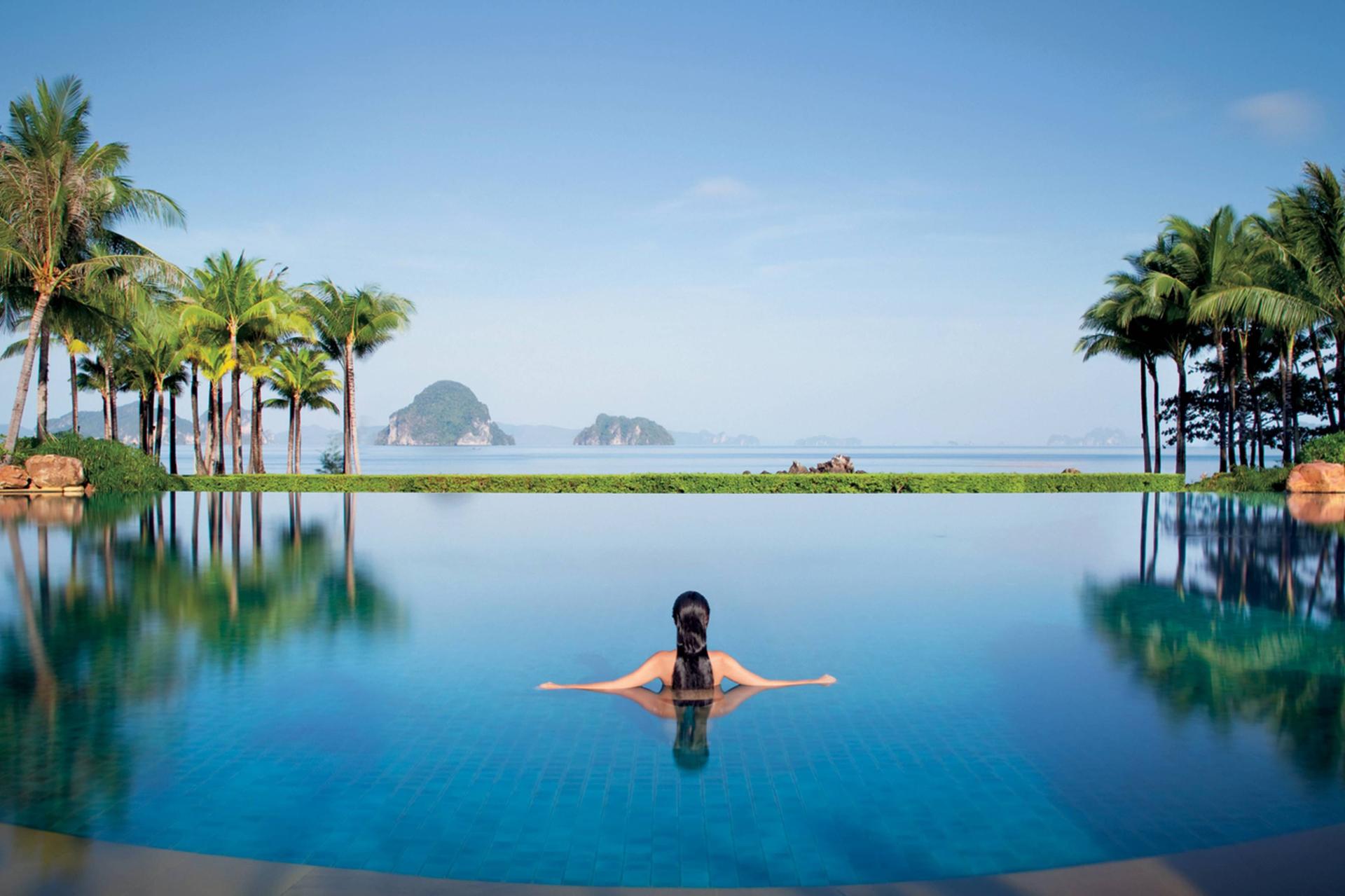
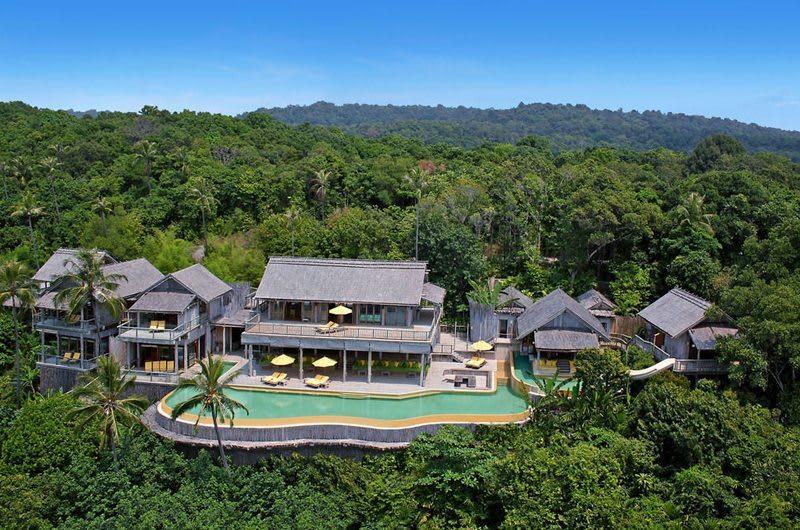
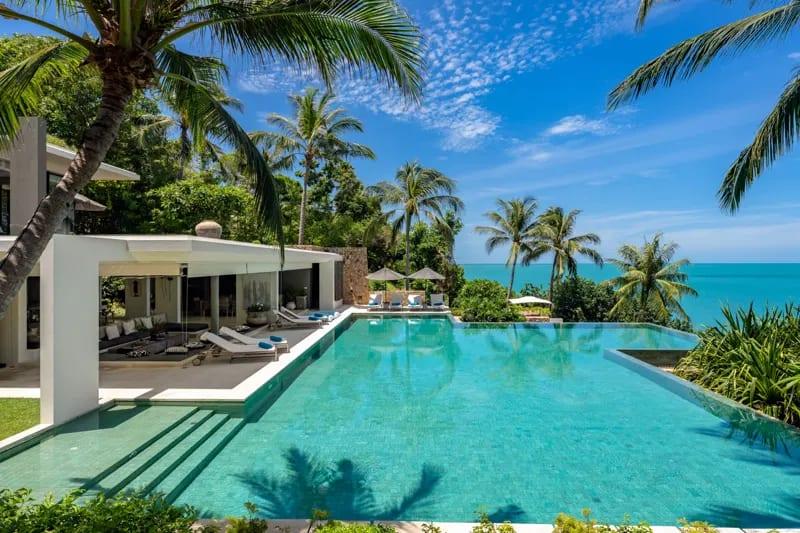
Thailand’s coasts are home to renowned beaches such as Phuket, Koh Samui and Krabi, where you’ll find luxury resorts and private villas with direct access to the sea. More exclusive islands like Koh Yao Noi or Koh Kood appeal for their tranquillity and highly personalised service. Watersports include diving, snorkelling and private yacht cruises. White-sand beaches and turquoise waters are accessible year-round, with premium facilities throughout.
Gastronomy
Thailand is celebrated for its sophisticated cuisine, blending local flavours and international influences. Major cities and coastal destinations host starred restaurants and acclaimed chefs, offering tasting menus and exclusive culinary experiences. Gourmet markets and private cooking classes provide a privileged way to discover local specialities. Luxury hotels often arrange dinners on the beach or in spectacular settings.
Culture
Thai culture is characterised by warm hospitality, Buddhist traditions and refined craftsmanship. Travellers can visit emblematic temples such as Wat Pho in Bangkok or Wat Phra That Doi Suthep in Chiang Mai, often with private guides. Traditional dance performances and local festivals offer a genuine immersion. Art galleries and artisan workshops showcase the country’s cultural richness.
Religion
Buddhism is the main religion in Thailand and shapes daily life and local customs. Visitors are expected to respect dress codes when visiting temples and to behave respectfully towards monks and religious symbols. Some exclusive experiences include meditation retreats or private meetings with Buddhist masters. Religious festivals such as Songkran and Loy Krathong are highlights worth experiencing.
Safety and travel advice
Natural disasters
Thailand is exposed to monsoon risks, flooding and, more rarely, tropical storms, mainly between June and October. Coastal regions may be subject to weather alerts, but high-end properties generally have evacuation plans and real-time information in place. It’s advisable to follow local guidance and take out insurance that covers natural hazards.
Crime and security
Thailand is generally safe for travellers, but it’s wise to stay alert in busy tourist areas. Luxury hotels and resorts provide enhanced security services and in-room safes. Pickpocketing and scams do occur, especially in big cities and markets. It’s recommended to opt for private transportation and reputable providers.
Traffic rules
Driving in Thailand is on the left, and road rules may differ from those in Europe. Main roads are in good condition, but traffic can be heavy in major cities. Private chauffeur services are common at the high end, offering comfort and safety. Check that your international driving permit is valid before departure.
Car theft
Car theft is rare at high-end properties, where security includes monitored parking and access control systems. When renting a vehicle, choose reputable agencies and never leave valuables inside the car. Specific theft insurance is available from rental companies and specialist insurers.
Travel insurance
Comprehensive travel insurance is strongly recommended for any stay in Thailand, covering medical expenses, cancellation, lost luggage and risks associated with sports or watersports. High-end properties sometimes require proof of insurance for certain exclusive activities. Check the policy coverage and exclusions carefully before you buy.