
Travel guide
South Africa
Explore the land of Table Mountain.
Suggested itineraries
Best time to go
Oct – Apr
Explore by region
Coming soon...
Search in South Africa
THE BEST PLACES TO VISIT IN SOUTH AFRICA
GEOGRAPHY & WEATHER
"South Africa enjoys a Mediterranean and subtropical climate, with ideal conditions from October to April. The southern summer months (Dec–Feb) appeal with generous warmth, while autumn (Mar–May) enchants with mild temperatures and golden landscapes. The southern winter calms the crowds, revealing serene nature under crystal-clear skies."
FREQUENTLY ASKED QUESTIONS ABOUT SOUTH AFRICA
South Africa offers exceptional biodiversity with Kruger and the Garden Route, varied landscapes from coastal mountains, a rich cultural history, world‑class vineyards and diverse gastronomy. Tourist infrastructure is well developed and easy to access.
South Africa offers excellent value for money. Accommodation, restaurants and activities cost significantly less than in Europe or North America. Safaris and natural attractions remain accessible. The favourable South African rand reinforces this advantage.
French nationals benefit from a visa exemption for South Africa for stays of up to 90 days. A passport valid for at least six months is required. For longer stays or other nationalities, consult the South African embassy.
South Africa recognises eleven official languages: Afrikaans, English, Zulu, Xhosa, Northern Sotho, Southern Sotho, Tswana, Venda, Tsonga, Southern Ndebele and Swati. English and Afrikaans dominate in urban areas.
Travel insurance is not legally mandatory in South Africa, but it is strongly recommended. It covers emergency medical expenses, medical evacuation, flight cancellation and lost luggage. Check that your policy includes the activities you have planned.
South Africa mainly uses type M sockets, with a voltage of 230 V and a frequency of 50 Hz. Type C and N sockets may also be found in some newer establishments. An adaptor may be necessary depending on the origin of your devices.
Complete Guide to South Africa
Travelling to South Africa
South Africa is served by several international airports, including Johannesburg (O.R. Tambo), Cape Town and Durban. Premium travellers have access to VIP services, private lounges and personalised transfers. Major airlines operate direct flights from Europe, the Middle East and Asia. Entry requirements generally include a valid passport and, depending on nationality, a visa.
How to plan your trip
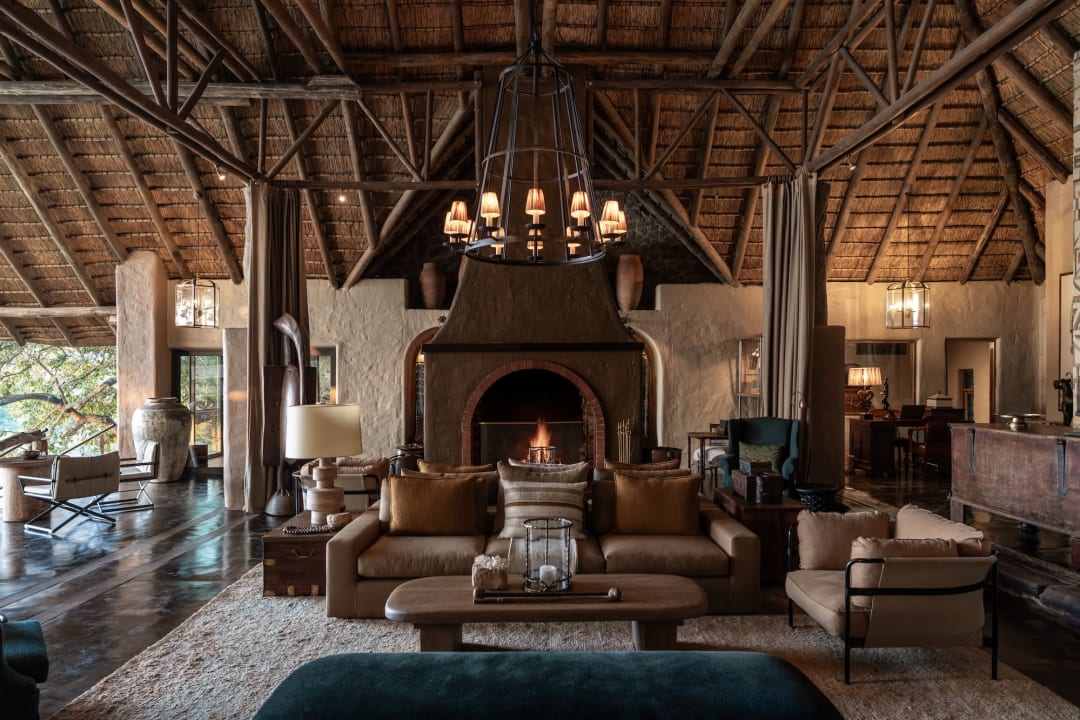
For an exclusive stay, it is advisable to book luxury accommodation well in advance, especially private lodges in game reserves and 5-star city hotels. Private transfers and specialised French-speaking guides are available on request. Tailor-made itineraries allow you to combine safaris, beach escapes and cultural experiences. For personalised support, prioritise agencies specialising in high-end travel.
Best time to visit South Africa
The best time to visit South Africa runs from April to October, during the southern winter, ideal for safaris thanks to easier wildlife viewing. Coastal regions such as Cape Town are particularly pleasant from November to March, with mild, sunny weather. Beach and watersports enthusiasts tend to favour the southern summer. As seasons vary by region, it is wise to adapt your itinerary to the activities you have in mind.
Coasts and beaches
South Africa is home to some celebrated beaches, notably Camps Bay, Clifton and Plettenberg Bay, where you will find private villas and luxury resorts. The Indian Ocean coastline around Durban is popular for its warm waters and upscale hotels. The beaches along the Garden Route appeal for their natural beauty and tranquillity. Some beaches are patrolled and suited to swimming, while others are better for surfing or whale watching.
Gastronomy
South African cuisine stands out for its diversity of influences, combining local traditions with international flavours. Major cities are home to fine-dining restaurants and acclaimed chefs, particularly in Cape Town and Johannesburg. Wine estates in the Cape region offer private tastings and sophisticated food-and-wine pairings. Specialities include biltong, braai (barbecue) and fresh seafood.
Culture
South Africa has a rich cultural heritage, shaped by the diversity of its peoples and languages. Museums, art galleries and historic sites such as Robben Island and the Apartheid Museum offer immersive experiences. Music, dance and film festivals punctuate cultural life, especially in Cape Town and Johannesburg. Travellers can also explore local crafts through private studio and workshop visits.
Religion
The country is multi-faith, with a Christian majority alongside Muslim, Hindu and Jewish communities. Places of worship are open to visitors who respect local practices. Some religious holidays may affect opening times for shops and tourist sites. Modest, appropriate clothing is recommended when visiting religious sites.
Safety and travel advice
Natural disasters
South Africa is exposed to certain natural risks, notably forest and bush fires in summer and localised flooding. Coastal regions can experience storms, especially during the rainy season. It is advisable to check weather conditions before travelling within the country. High-end properties generally have robust safety protocols in place.
Crime and security
Crime exists, particularly in major cities, but tourist areas and luxury properties usually benefit from enhanced security measures. It is recommended to avoid walking at night and to opt for private transfers. Valuables should be left in hotel safes. Local guides can provide up-to-date advice on neighbourhoods to avoid.
Driving regulations
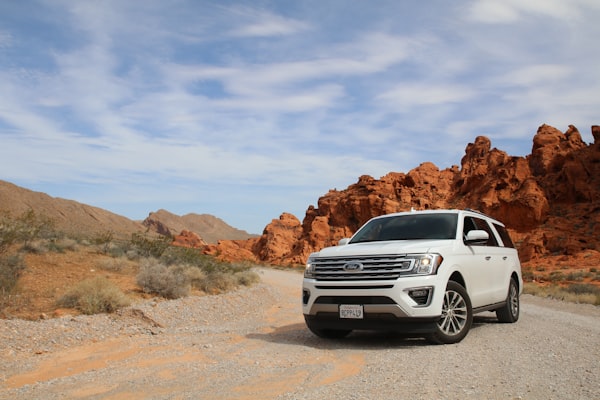
In South Africa, driving is on the left and an international driving licence is recommended. Main roads are generally in good condition, but extra care is needed on secondary roads. Police checks are frequent, particularly for drink-driving. Chauffeured private transfers are a preferred option for added comfort and safety.
Car theft
Car theft can occur, especially in large urban areas. It is advisable to favour secure, monitored parking and never leave belongings visible inside the vehicle. High-end rental agencies offer vehicles equipped with advanced security systems. Using private transport services further reduces this risk.
Travel insurance
Comprehensive travel insurance is strongly recommended, including medical cover, repatriation and protection against theft or cancellation. Some luxury properties require proof of insurance before confirming a reservation. Check that your policy covers specific activities such as safaris or watersports.