
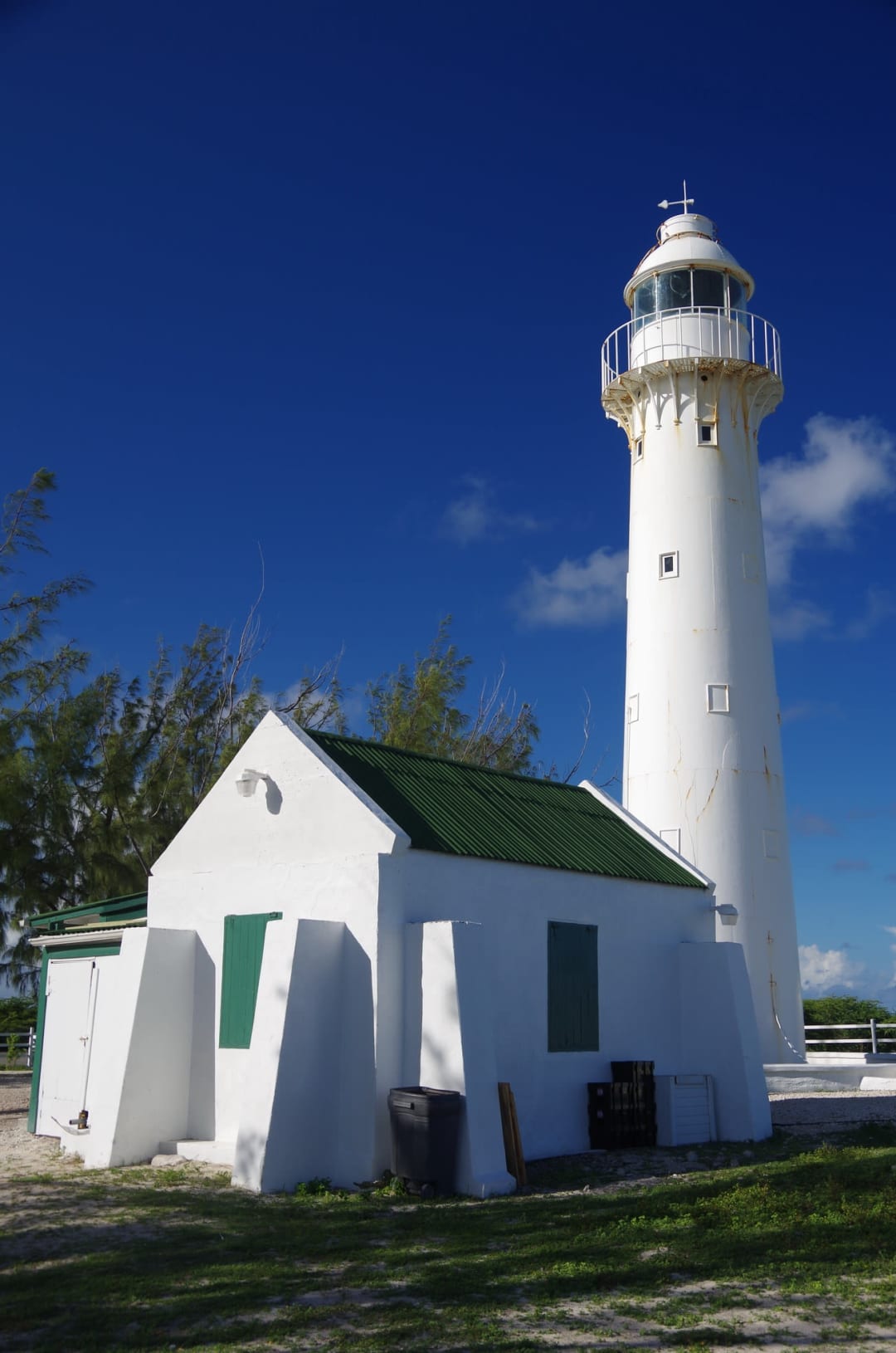
Photo: Balou46 / Wikimedia Commons, CC BY-SA 4.0
Travel guide
Turks and Caicos Islands
Discover a land of pearly beaches and glass-clear lagoons, a Caribbean sanctuary for sunseekers and divers.
Suggested itineraries
Best time to go
Dec – Apr
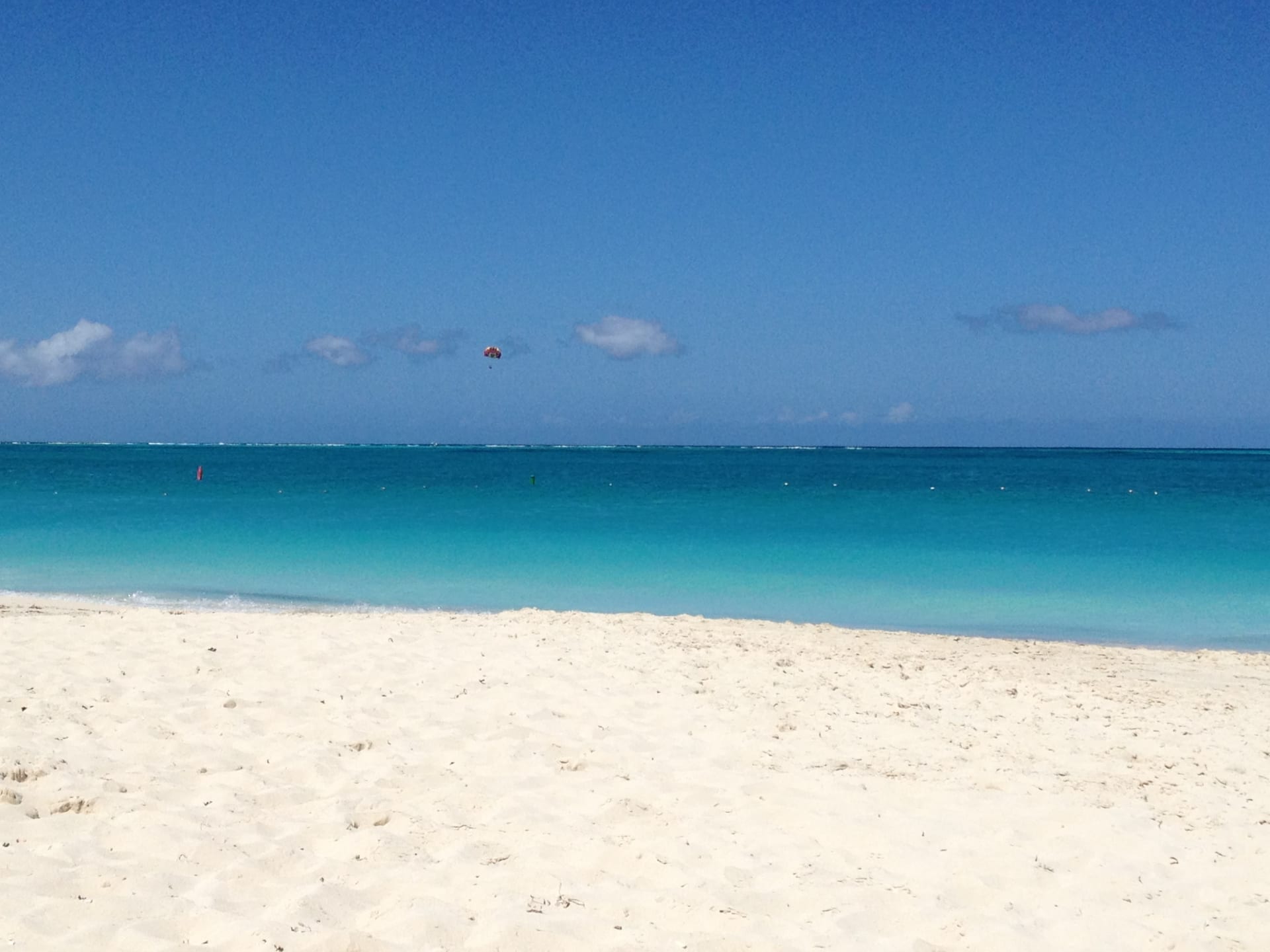
Photo: Csouthard / Wikimedia Commons, CC BY-SA 3.0
Explore by region
Coming soon...
Search in the Turks and Caicos Islands
THE BEST PLACES TO VISIT IN THE TURKS AND CAICOS ISLANDS
GEOGRAPHY & WEATHER
"Turks and Caicos enjoy a mild tropical climate, with daytime highs holding steady between 26 and 30°C all year, tempered by the trade winds. The most pleasant period runs from December to April, when it is drier and less exposed to cyclones. From June to October the air becomes heavier and tropical showers more frequent."


FREQUENTLY ASKED QUESTIONS ABOUT THE TURKS AND CAICOS ISLANDS
Turks and Caicos captivate with their near-pristine beaches, well-preserved coral reefs and intimate island atmosphere. The country attracts keen divers, offshore fishing enthusiasts and travellers looking for barefoot‑luxury villa stays right on the water, far from the crowds.
Turks and Caicos are generally expensive, with a distinctly upmarket positioning and many imported goods. Accommodation, dining and water-based activities are noticeably pricier here than on many other Caribbean islands.
For a short tourist stay, French nationals may enter Turks and Caicos without a visa, provided they present a valid passport. For stays beyond the authorised duration, an extension or visa application is required.
In Turks and Caicos, English is the official language and is widely used across all tourism services. Hotel and dive-centre staff often have some knowledge of Spanish, but French is still little spoken.
For a stay in Turks and Caicos, travel insurance covering medical expenses, hospitalisation and medical evacuation is strongly recommended. It is also useful to include baggage cover, trip cancellation and specific protection for water activities such as scuba diving.
Turks and Caicos generally offer a calm, relaxed environment for visitors, especially in beach areas. As everywhere, it is sensible to keep an eye on your belongings and avoid isolated districts at night, favouring official taxis and organised transfers.
Turks and Caicos use 120 V power at 60 Hz, with type A and B sockets, as in North America. Travellers from France need an adapter and, for some devices, a suitable voltage converter.
Travellers love Turks and Caicos for the extraordinary clarity of the water, perfect for snorkelling and diving, and for the tranquil atmosphere on the beaches. The country also enchants visitors with its discreet villas and sunsets over Grace Bay.
Complete Guide to the Turks and Caicos Islands
Travelling to the Turks and Caicos Islands
The Turks and Caicos Islands are reached primarily via Providenciales International Airport (PLS), served by direct flights from major North American hubs. From Europe, you will generally connect via London, Miami, New York or Toronto, with a total travel time of around 12 to 16 hours depending on your route. European Union nationals benefit from a short-stay visa exemption but must present a valid passport, a return ticket and proof of accommodation. It is wise to check health requirements, including any need for proof of medical insurance, as well as customs regulations on importing wine, tobacco and sports equipment.
How to plan your trip
For an upscale stay, book flights, accommodation and private transfers at least four to six months in advance, especially for the peak winter season. Discerning travellers typically combine time on Providenciales with a few quieter nights on Parrot Cay, Pine Cay or South Caicos. A specialist advisor can arrange regional private jet transfers, helicopter hops or high-speed boat transfers between islands, as well as fast-track customs and immigration. It is useful to organise concierge services, private chefs, nannies and certified water-sports instructors ahead of time to ensure a seamless experience.
Best time to visit the Turks and Caicos Islands
The climate is tropical and trade-wind cooled, with pleasant year-round temperatures generally ranging between 24 and 30°C. The most sought-after period runs from December to April, when conditions are drier and sunnier and the sea is often exceptionally clear for snorkelling and diving. From June to November, the wet season coincides with the Atlantic hurricane risk, which can affect air and sea links. Savvy travellers often opt for the shoulder seasons of late November–early December and late April–May, which offer a good balance of favourable weather, moderate visitor numbers and more flexible rates.
Coastline and beaches
The Turks and Caicos archipelago lies on an extensive coral plateau, with strikingly clear waters and ultra-fine white-sand beaches. Grace Bay on Providenciales is home to many of the islands’ luxury hotels, while Long Bay offers a more open shoreline, favoured for kitesurfing. Private islands such as Parrot Cay, Ambergris Cay and Pine Cay offer near-exclusive beaches, reached by boat shuttle or light aircraft from Providenciales. For more intimate outings, yacht excursions can take you to remote sandbars, particularly around the Caicos Bank and the uninhabited cays.
Gastronomy
Local cuisine showcases the bounty of the sea, especially conch, in-season lobster and reef fish, served as ceviche, grilled, or in light curries. Top-tier hotels and villas often bring in chefs trained in Europe or North America, able to create tasting menus, beach dinners or tailored wellness-focused meals. On Providenciales, refined restaurants blend contemporary Caribbean cuisine with international wine lists and pairings featuring premium rum or tequila. Travellers can also arrange a private chef in their villa, including bespoke provisioning, menus adapted to dietary requirements and at-home sommelier service.
Culture
The culture of the Turks and Caicos Islands weaves together Afro-Caribbean heritage, British roots and Bahamian influences, evident in the music, dance and certain culinary traditions. Ripsaw music, played on a saw, accompanies festivals and gatherings, while nautical events punctuate the calendar. On Grand Turk and Salt Cay, reminders of the salt-raking era and British presence give the islands a distinct historical character, with a handful of preserved colonial-era buildings. A private guide can arrange curated tours, meetings with artisans, local cooking workshops or boat outings with experienced fishermen.
Religion
The population is predominantly Christian, with significant Anglican, Baptist and other Protestant congregations, a legacy of the islands’ British past. Sunday services play an important social role, particularly on the smaller islands, where churches often serve as key community hubs. Visitors are generally welcome in most places of worship, provided they dress and behave respectfully. Religious practice is typically tolerant and peaceful, but overtly provocative behaviour in or around churches is best avoided.
Safety and travel advice
Natural disasters
The Turks and Caicos Islands lie in a region exposed to Atlantic hurricanes, mainly from June to November, with heightened risk between August and October. High-end tourism properties generally have robust emergency plans, generators and well-established evacuation procedures. It is advisable to monitor weather reports closely, register for travel alerts from your foreign ministry, and keep essential documents in a waterproof pouch. Insurance that includes trip interruption, repatriation and extended accommodation costs in the event of a weather incident can provide valuable protection.
Crime and personal security
Serious crime remains relatively limited in tourist areas, but opportunistic theft can occur, particularly in car parks, on the beach or in poorly secured accommodation. It is sensible to use hotel or villa safes, keep valuables out of sight and favour transport arrangements recommended by your concierge. Walking at night outside busy or well-lit districts is not encouraged, especially for solo travellers. In case of an incident, visitors can rely on generally responsive police and on the assistance of their hotel or local agency.
Driving rules
Driving is on the left, in line with British practice, which requires careful adjustment for visitors from continental Europe and other right-hand-driving countries. Most rental vehicles are automatic, and a national driving licence is usually accepted for short stays, although an international permit may simplify formalities. Roads on Providenciales are generally in good condition, but signage can be inconsistent and local driving standards variable. It is advisable to avoid night driving on secondary roads, watch for potholes and abstain from any alcohol before taking the wheel.
Car theft
Car theft is relatively uncommon, but rental vehicles can be targeted for items left inside. It is best never to leave luggage visible, even for a brief stop, and to park in monitored hotel, restaurant or marina car parks. Most rental contracts include specific clauses on damage, vandalism and the exclusion of personal effects from coverage, which should be read carefully. For night-time journeys, a private driver or a transfer arranged by your concierge offers a higher level of safety and comfort than a standard rental car.
Travel insurance
Comprehensive travel insurance is a logical complement to a high-end stay in the Turks and Caicos Islands, given the local cost of medical care and possible medical evacuation. Check medical coverage limits, repatriation conditions and protection in case of cancellation or interruption linked to a tropical storm or hurricane. Stays that include scuba diving, kitesurfing or private boat excursions should be declared to ensure these activities are not excluded. Astute travellers keep both digital and paper copies of their policies, emergency numbers and certificates, easily accessible if needed.