

Travel guide
Turkey
Set off to discover the land of One Thousand and One Nights.
Suggested itineraries
Best time to go
Apr – Oct
Explore by region
Coming soon...
Search in Turkey
THE BEST PLACES TO VISIT IN TURKEY

GEOGRAPHY & WEATHER
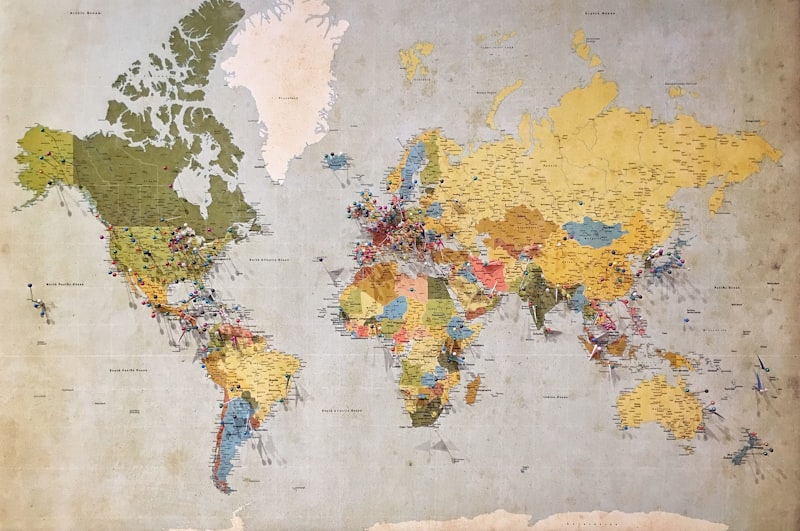
"Turkey enjoys a varied blend of Mediterranean and continental climates. Autumn and spring, from April to May and from September to October, offer the perfect balance: mild temperatures, golden light and manageable crowds. The scorching summer appeals to beach lovers, while winter reveals a mysterious Cappadocia under the snow."


FREQUENTLY ASKED QUESTIONS ABOUT TURKEY
Turkey offers a unique meeting point between Europe and Asia, with an exceptional historical legacy: Greco-Roman archaeological sites, Ottoman mosques and Cappadocia. It combines Mediterranean beaches, mountain landscapes, refined gastronomy and an age‑old culture that remains both accessible and well preserved.
Turkey offers excellent value for money. Accommodation, restaurants and attractions are generally affordable compared with European standards. Costs vary by region: Istanbul and the popular coastal areas are more expensive than the country’s interior.
French nationals do not need a visa to enter Turkey. A valid passport is sufficient for a tourist stay of up to 90 days. An electronic authorisation (e-visa) may be required depending on your nationality.
The official language of Turkey is Turkish, spoken by the majority of the population. It is an Altaic language that has used the Latin alphabet since 1928. Minorities also speak Kurdish, Arabic and other regional languages.
Travel insurance is not legally mandatory in Turkey. However, it is strongly recommended to cover emergency medical expenses, flight cancellations and repatriation. Check that your policy includes the activities you are planning.
Turkey mainly uses type C and type F electrical sockets, with a voltage of 230 volts and a frequency of 50 Hz. Check your devices are compatible and bring an adapter if needed.
Complete Guide to Turkey
Travelling to Turkey
Turkey is served by several international airports, including Istanbul, Antalya and Bodrum, giving easy access to the main resort areas and cultural sites. High-end travellers often opt for private transfers or domestic business-class flights to reach the coast or historic regions. Entry requirements generally include a valid passport and, depending on nationality, an electronic visa. Concierge services are widely available in luxury hotels to arrange bespoke transfers.
How to plan your trip
For an exclusive stay, it’s best to book well ahead for accommodation in 5-star hotels, beach resorts or private villas, especially along the Turkish Riviera and in Istanbul. Specialist agencies design tailor-made itineraries that can include private tours of ancient sites, gulet cruises and gastronomic experiences. Hiring local guides is recommended to gain access to places usually closed to the general public. Private transfers and concierge services streamline travel between different regions.
Best time to visit Turkey
The best periods to visit Turkey are from April to June and from September to October, when the weather is mild and the main sights are less crowded. Summer, especially on the Aegean and Mediterranean coasts, is ideal for enjoying beaches and resorts, though temperatures can be high. Winter offers a different atmosphere, particularly in Istanbul and Cappadocia, with fewer visitors and snowy landscapes. Major cultural events, such as the Istanbul festival, also punctuate the year.
Coasts and beaches
The Turquoise Coast, between Bodrum, Marmaris and Antalya, is known for its private beaches, marinas and luxury hotels. Travellers can charter yachts or traditional gulets to explore secluded coves and unspoilt islands. Some beaches, such as those in Çeşme or Göcek, feature exclusive beach clubs and highly personalised service. Water sports, diving and boat excursions are easily arranged from high-end resorts.
Gastronomy
Turkey offers refined cuisine that blends Ottoman, Mediterranean and Middle Eastern influences. Istanbul is home to several Michelin-starred and highly regarded restaurants where acclaimed chefs revisit Turkish classics. Luxury hotels create exclusive culinary experiences, from private tastings to rooftop dinners overlooking the Bosphorus. Local markets and cooking classes are an opportunity to discover regional produce and specialties such as meze, kebab and baklava.
Culture
Turkey boasts an exceptional cultural heritage, with UNESCO-listed sites such as Istanbul, Ephesus and Cappadocia. Private visits to museums, palaces and mosques can be arranged with expert guides. Art lovers can explore contemporary galleries and artisan workshops in historic districts. Music, film and dance festivals offer unique occasions to experience Turkey’s cultural scene.
Religion
Turkey is a secular country with a Muslim majority, where many religious traditions coexist. Historic mosques such as Hagia Sophia and the Blue Mosque are open to visitors outside prayer times. Visitors are expected to dress modestly when entering places of worship. Religious holidays such as Ramadan and the Festival of Sacrifice may affect opening hours for some venues.
Safety and travel tips
Natural disasters
Turkey is exposed to seismic risks, particularly in the Istanbul and Izmir regions. High-end hotels adhere to strict safety standards and have evacuation plans in place. Forest fires can occur in summer along the Mediterranean coast. It is advisable to stay informed about local guidance in case of an alert.
Crime and security
Crime against tourists remains low in main tourist areas and luxury establishments. Pickpockets can operate in very busy locations, especially in Istanbul. Five-star hotels generally offer security services and in-room safes. Using private drivers for night-time journeys is recommended.
Traffic regulations
Driving in Turkey is on the right, and the road network is generally in good condition, particularly around major cities and coastal resorts. Speed limits are strictly enforced and police checks are frequent. High-end car rental services offer vehicles with chauffeurs for added comfort and safety. Check local driving conditions before setting out on the road.
Car theft
Car theft is rare, especially for luxury hire cars or chauffeured vehicles. Supervised hotel and resort car parks provide additional security. It is still advisable not to leave valuables in vehicles, even for short periods. Insurance offered by rental agencies generally covers this type of risk.
Travel insurance
Comprehensive travel insurance is highly recommended, including medical cover, trip cancellation and lost luggage. Some luxury hotels and travel agencies provide additional guarantees for exclusive services. Ensure your policy covers any specific activities planned, such as sailing or mountain excursions. Private medical care is of good quality in major cities and coastal resorts.