
Travel guide
Switzerland
Explore the heart of the Alps
Suggested itineraries
Best time to go
May – Sept
Explore by region
Search in Switzerland
THE BEST PLACES TO VISIT IN SWITZERLAND
GEOGRAPHY & WEATHER
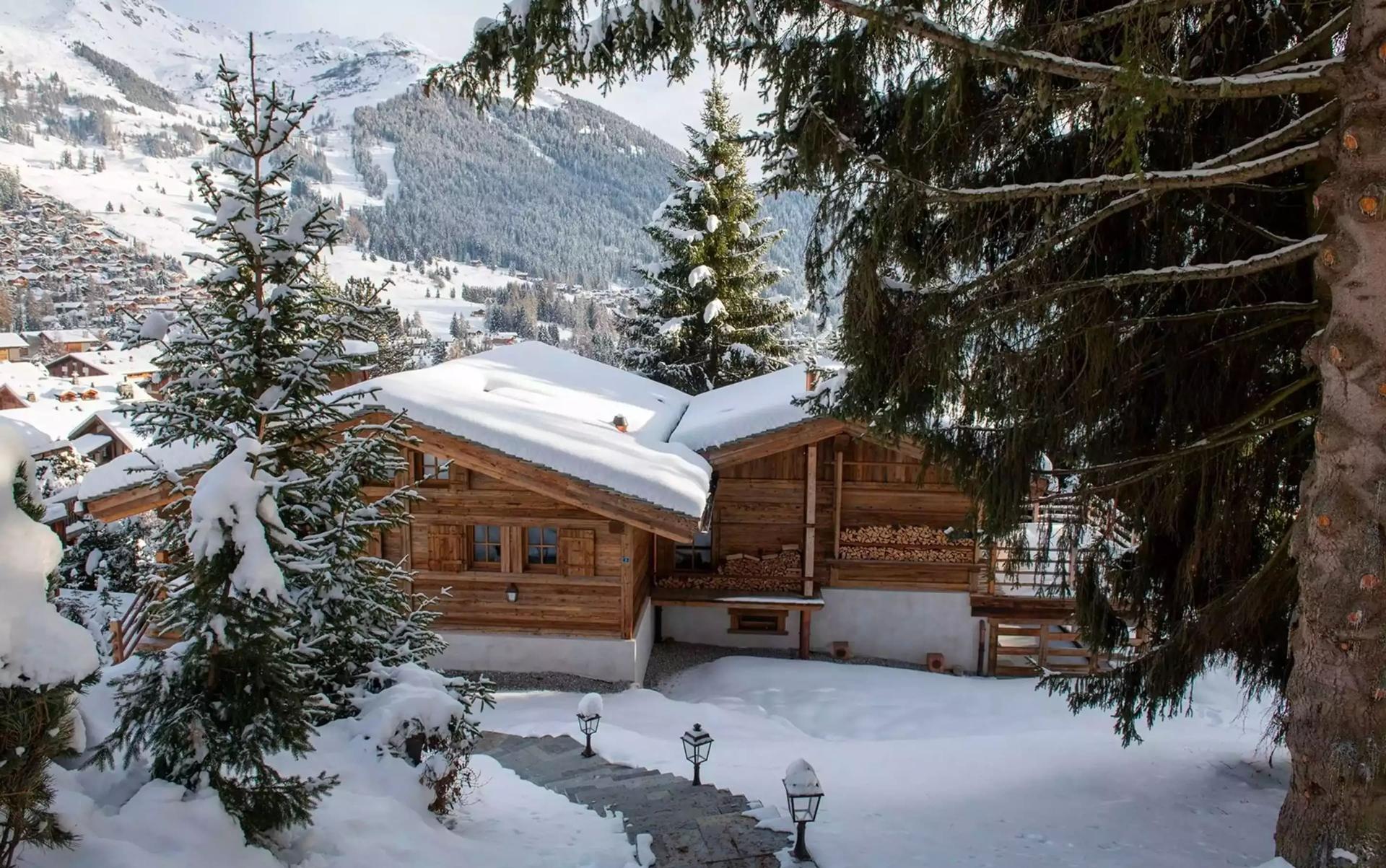
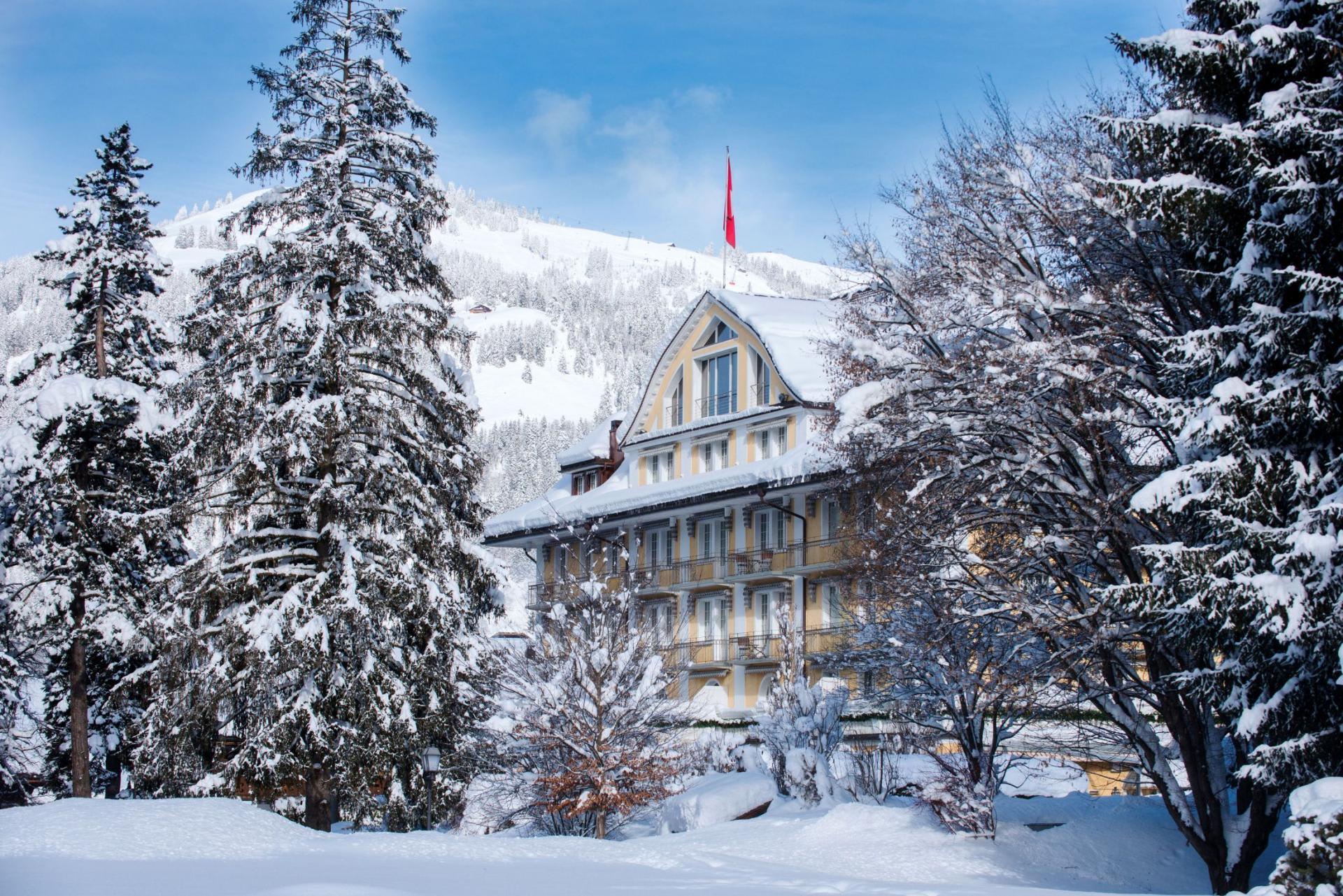
"Switzerland enjoys a temperate continental climate with four distinct seasons. Summer (Jun–Sept) brings sunny days and alpine hikes, while winter turns the landscapes into a snowy wonderland. Spring and autumn show off quieter charms: vivid flowers and golden forests, far from the peak-season crowds."
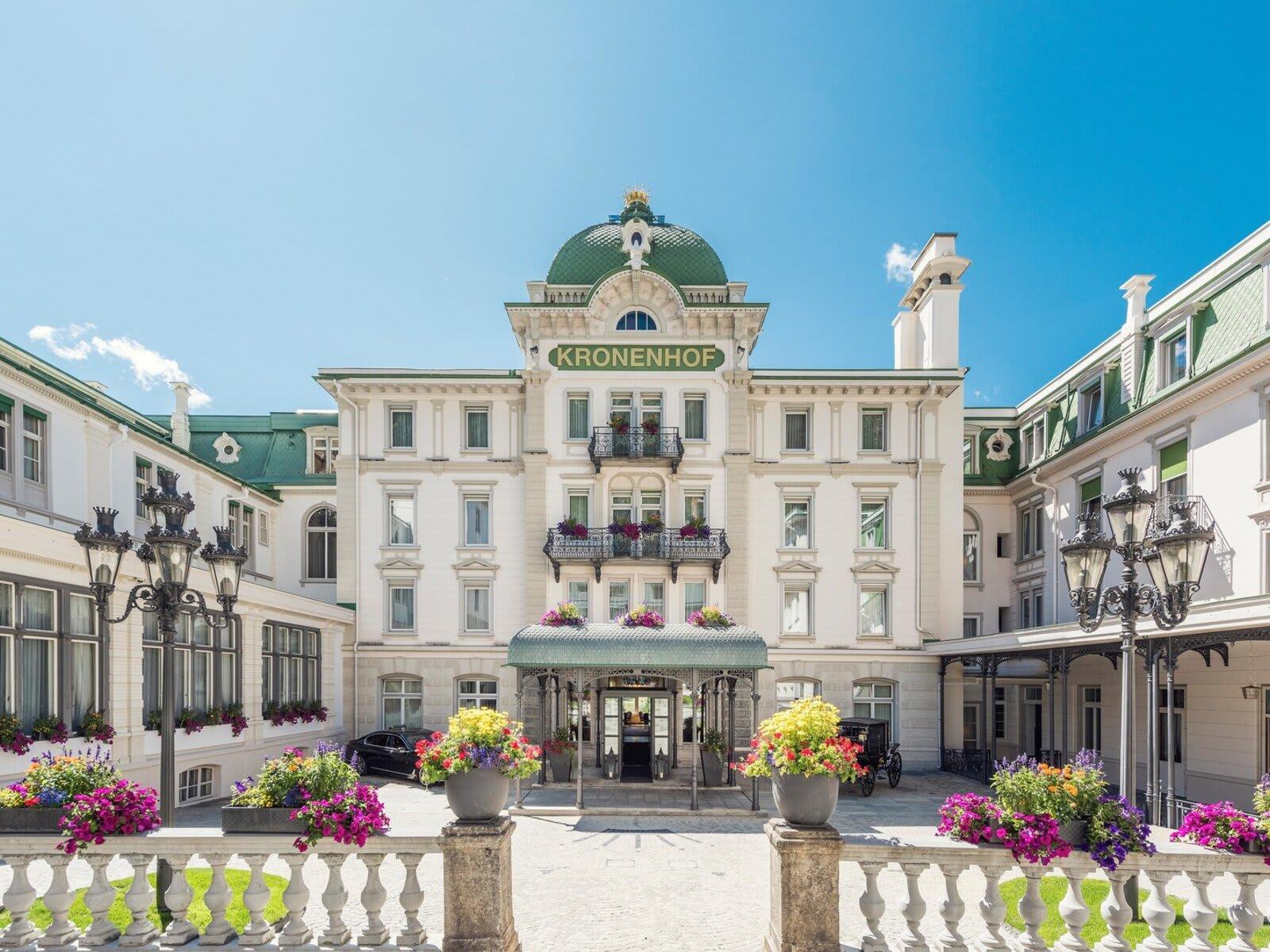
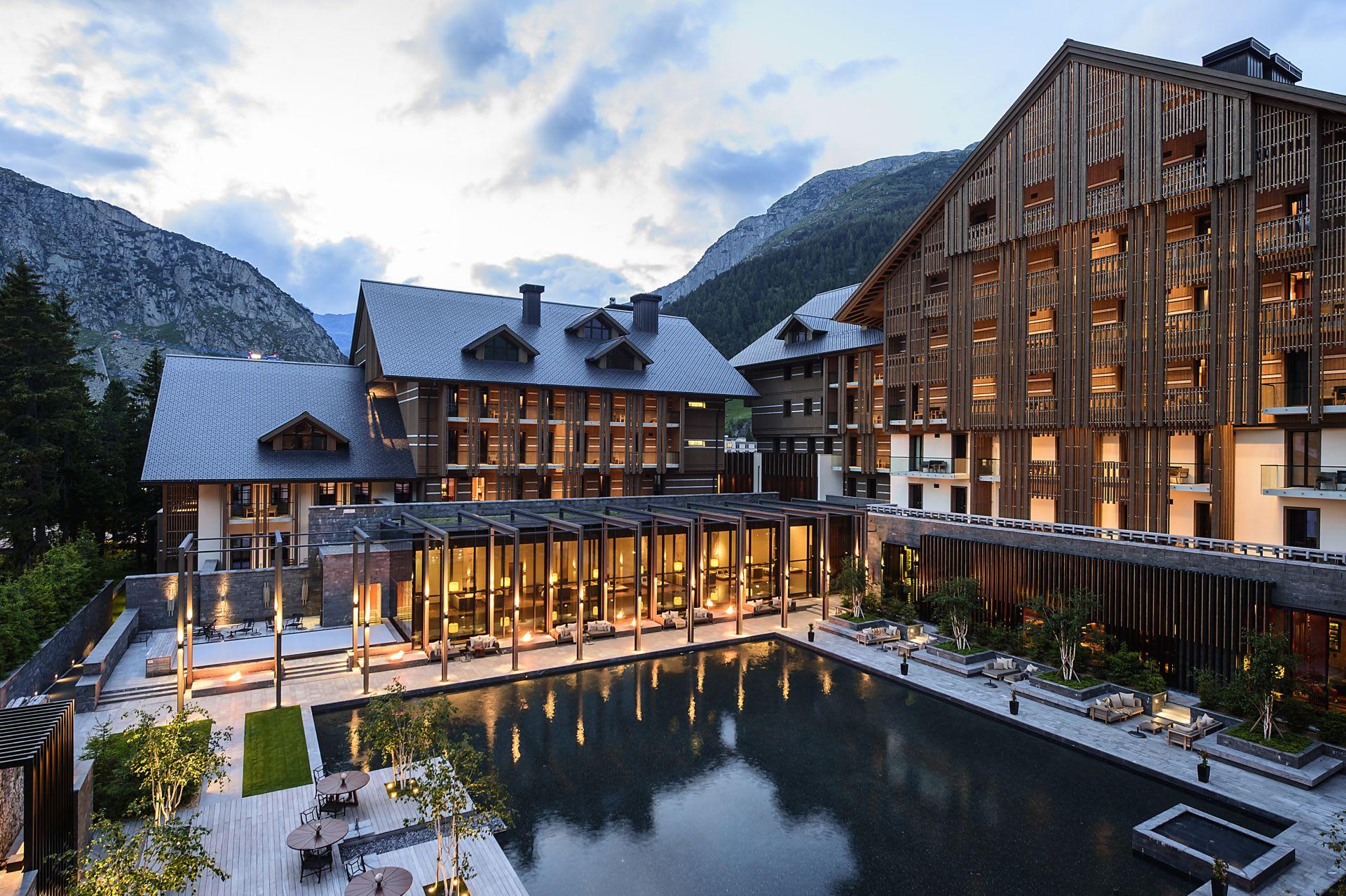
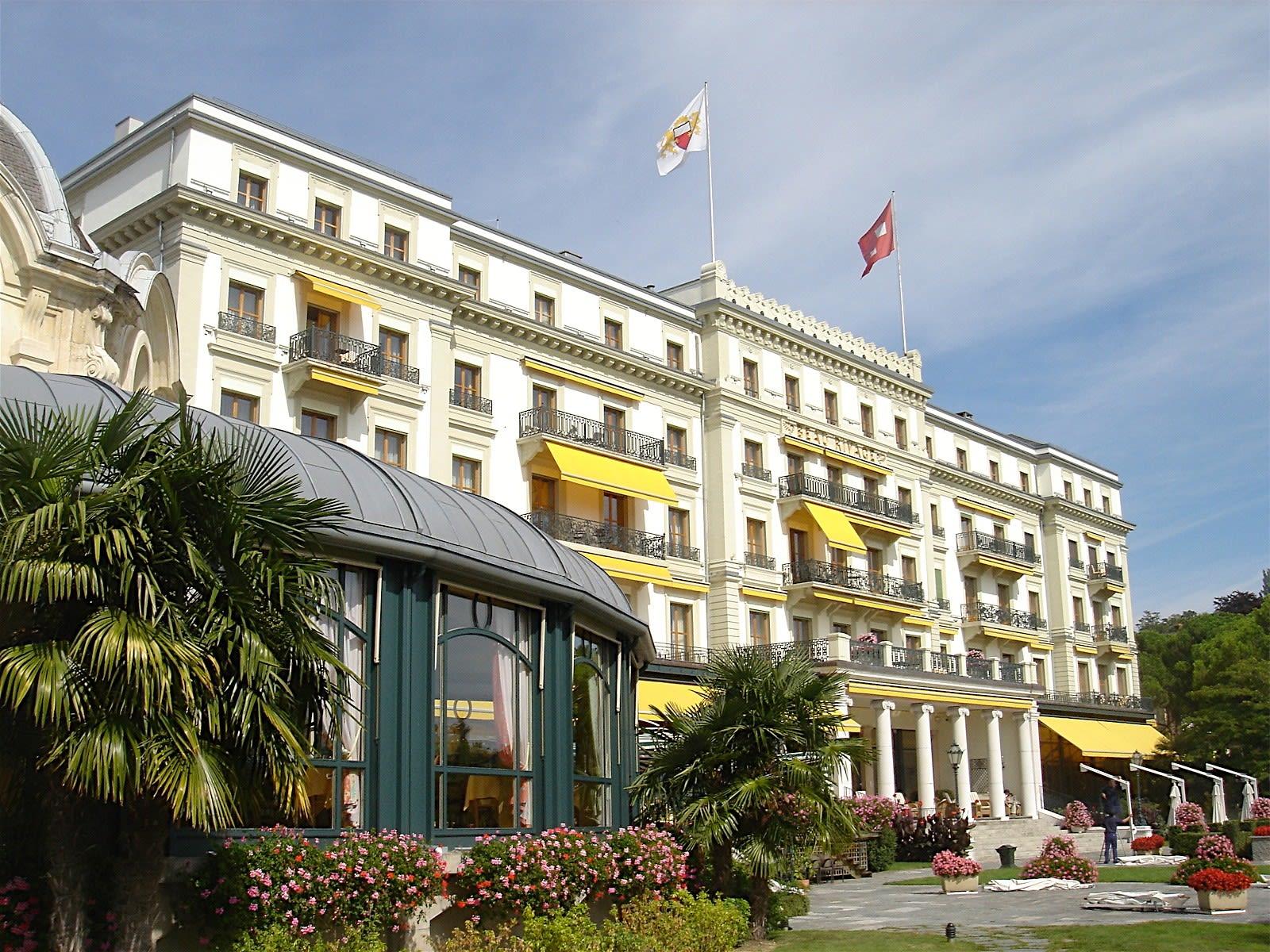
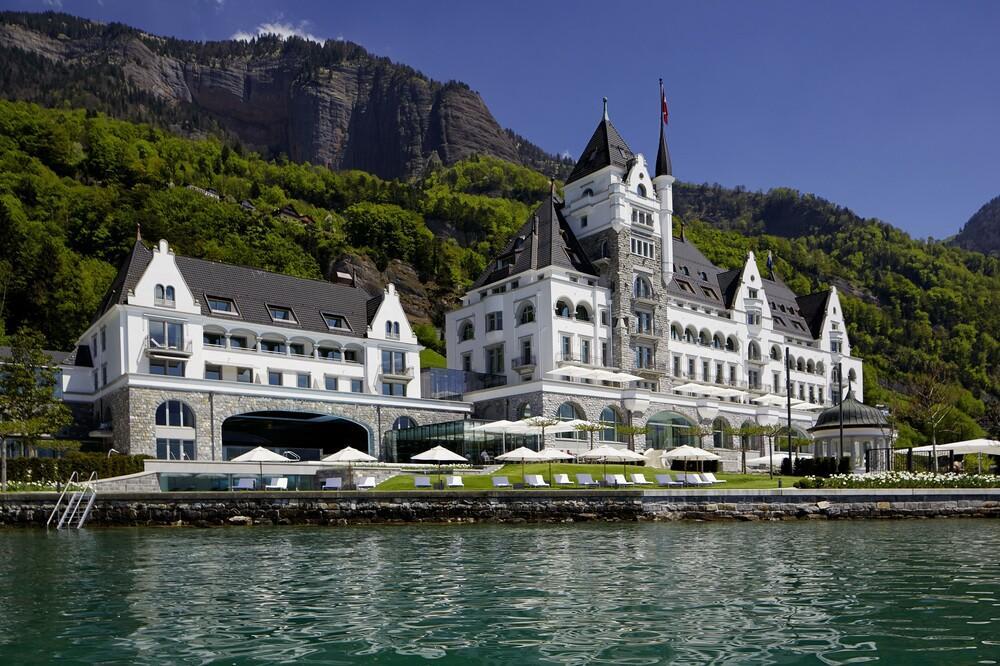
NORTHERN SWITZERLAND
FREQUENTLY ASKED QUESTIONS ABOUT SWITZERLAND
Switzerland offers spectacular Alpine scenery, cosmopolitan cities such as Zurich and Geneva, refined gastronomy, and an efficient transport network. It combines unspoilt nature, a rich cultural heritage and highly developed tourism infrastructure, and is accessible year-round.
Switzerland is among the most expensive destinations in the world. Accommodation, restaurants and activities are all priced at a premium. The cost of living is particularly high compared with most other European countries.
No, EU and EFTA citizens do not need a visa for Switzerland. Travellers of other nationalities should check specific entry requirements with the relevant Swiss embassy for their country of residence.
Switzerland has four official languages, spoken in different regions: German (around 63% of the population), French (23%), Italian (8%) and Romansh (0.5%). German dominates in the north and east, French in French‑speaking Switzerland, and Italian in Ticino.
Travel insurance is not compulsory in Switzerland. However, it is strongly recommended to cover medical expenses, which are high, as well as cancellation, baggage and repatriation. Check your existing coverage before you go.
Switzerland is one of the safest countries in the world, with a very low crime rate. Major cities such as Zurich, Geneva and Bern offer a secure environment. Public transport and roads are well maintained and reliable.
Switzerland mainly uses type C and type J power sockets. The standard voltage is 230 volts with a frequency of 50 Hz. Type J sockets are specific to the country, although type C plugs are also compatible.
Travellers are drawn to Switzerland for its spectacular Alpine landscapes, outstanding transport infrastructure and political stability. Visitors value the high quality of services, refined cuisine, crystal‑clear lakes and access to a wide range of activities, from hiking and skiing to cultural experiences. Safety and administrative efficiency add to its appeal.
Complete guide to Switzerland
Travelling to Switzerland
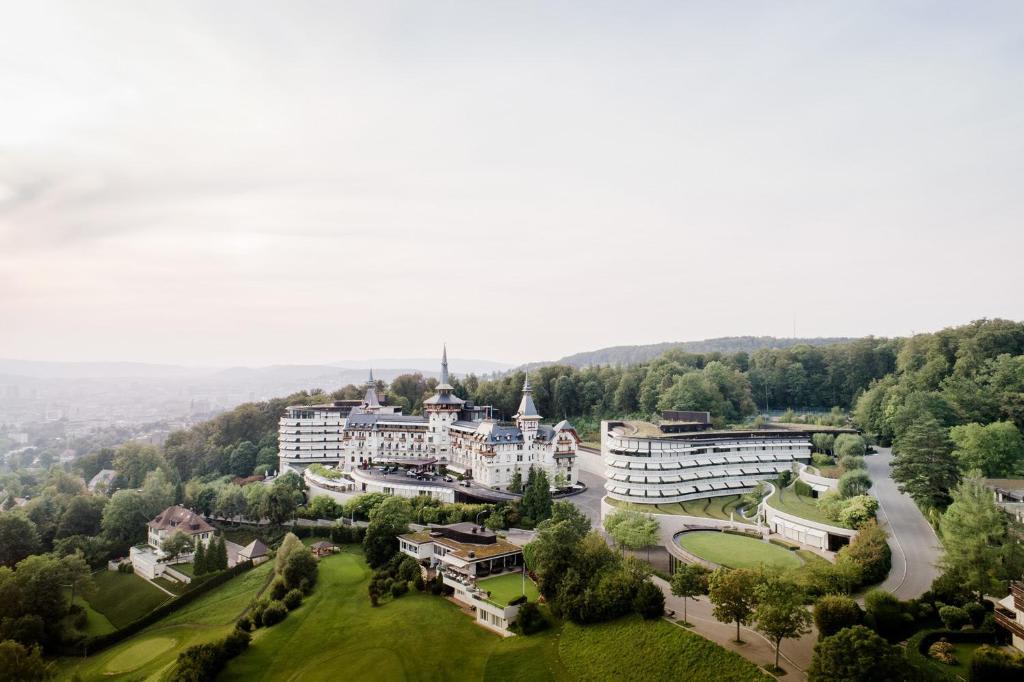
Switzerland is served by several international airports, including Zurich, Geneva and Basel–Mulhouse. Private limousine or helicopter transfers are a common way to reach alpine resorts or luxury hotels. The Swiss rail network, renowned for its punctuality, also offers premium panoramic trains linking the main destinations. Travellers can enjoy personalised service in many five-star properties from the moment they arrive.
How to plan your trip
It’s wise to book accommodation and exclusive experiences several months in advance, especially in peak season. Specialist concierge services can arrange fully tailored stays, including private museum visits, tastings in renowned wine cellars or yacht excursions on the lakes. Private transfers and multilingual guides are available to ensure maximum comfort. Plan for a substantial budget to access the most exclusive services.
Best time to visit Switzerland
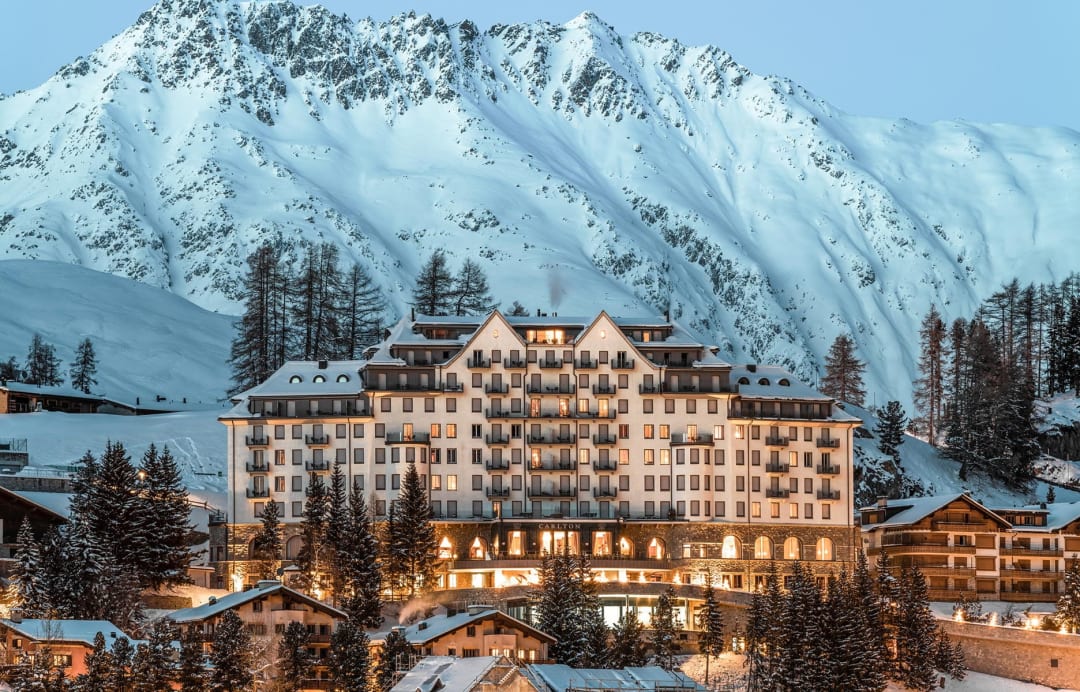
Switzerland offers a wide range of experiences throughout the year. Winter (December to March) is perfect for skiing in prestigious resorts such as Zermatt and St. Moritz. Summer (June to September) is ideal for enjoying the lakes, hiking and cultural festivals. Spring and autumn are well suited to exploring cities and vineyards, with more moderate visitor numbers. The climate varies with altitude and region, so it’s recommended to check the forecast before you travel.
Coasts and beaches
Switzerland has no coastline, but its lakes offer developed beaches and private clubs. Lake Geneva, Lake Zurich and Lake Lucerne all feature exclusive water activities, from private boating to paddleboarding on clear waters. Some luxury hotels offer private lake access and spas with mountain views. The lakeshores are also known for their fine dining restaurants right on the water.
Gastronomy
Switzerland is renowned for its fine dining, with numerous Michelin-starred restaurants. Specialities include fondue and raclette, alongside contemporary creations showcasing local produce. Five-star hotels often curate exclusive culinary experiences, such as private dinners with acclaimed chefs. Wine lovers can visit vineyards in Lavaux or Valais, with tastings available by prior reservation.
Culture
Switzerland has a rich cultural heritage, shaped by French, German and Italian influences. Cities such as Geneva, Zurich and Basel are home to internationally renowned art museums and private galleries. Festivals dedicated to classical music, jazz and cinema attract an international audience every year. Private guided tours offer access to historic sites and art collections that are rarely open to the general public.
Religion
Switzerland is a multifaith country, predominantly Christian (Catholic and Protestant), with Jewish and Muslim communities also present. Major cities offer places of worship for different religions. It is advisable to respect local traditions and religious holidays when planning certain activities. High-end establishments are generally attentive to the specific religious requirements of their guests.
Safety and travel advice
Natural disasters
Switzerland is exposed to certain natural risks, particularly avalanches in the mountains, river flooding and landslides. Infrastructure is well equipped to handle such situations, but you should follow local guidance, especially for activities at higher altitudes. Ski resorts and luxury hotels have evacuation plans and trained rescue teams in place.
Crime and security
Switzerland is one of the safest countries in Europe, with a very low crime rate. Petty crime, such as pickpocketing, can occur in tourist areas. High-end hotels and resorts offer enhanced security services and in-room safes. It is advisable to stay alert in train stations and crowded locations.
Driving regulations
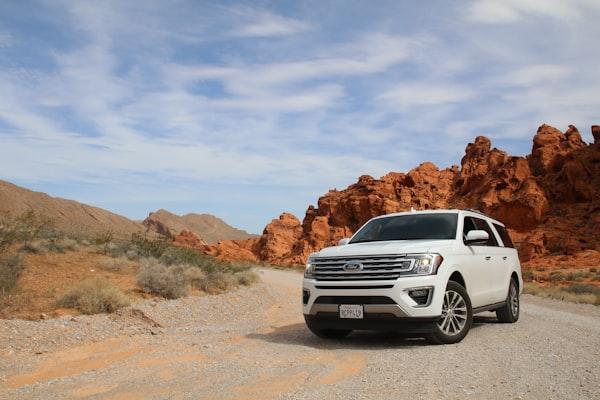
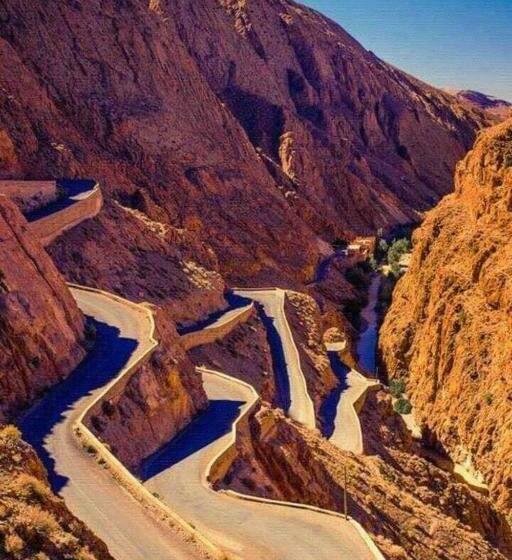
Driving in Switzerland is subject to strict rules, with speed limits rigorously enforced. Mountain roads can be winding and require particular care, especially in winter. Premium rental cars are available at major airports and in the main cities. A motorway vignette is compulsory for driving on Swiss motorways.
Car theft
Car theft is rare in Switzerland, but you should avoid leaving valuables inside vehicles. Luxury hotel car parks are generally monitored and secure. For rental cars, it is recommended to take out additional insurance covering theft and damage.
Travel insurance
Comprehensive travel insurance is strongly recommended, including medical cover, trip cancellation and baggage loss. Mountain activities or winter sports often require specific coverage. High-end establishments may offer partnerships with specialist insurers to ensure rapid support in the event of an incident.