

Travel guide
Sweden
Set off to discover the land of the Northern Lights.
Suggested itineraries
Best time to go
Jun – Aug

Explore by region
Search in Sweden
THE BEST PLACES TO VISIT IN SWEDEN

GEOGRAPHY & WEATHER
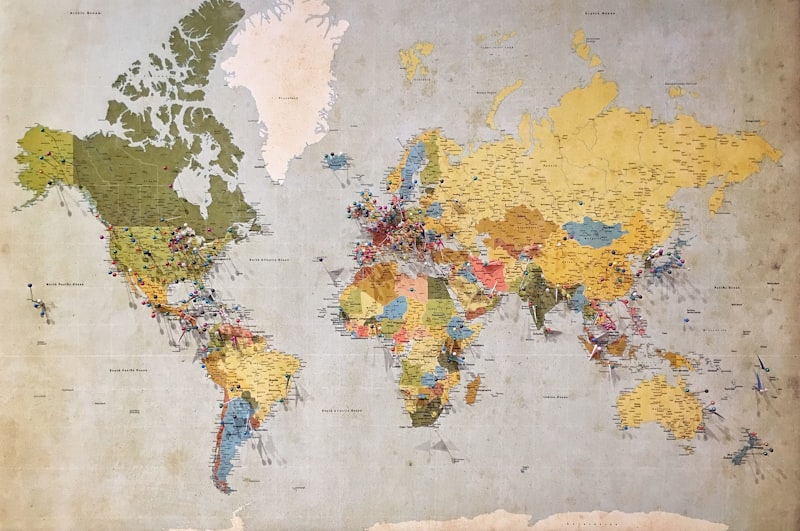
"Sweden has a temperate continental climate with striking seasonal contrasts. Summer (Jun–Aug) enchants with long, lingering days and mild temperatures, while winter unveils magical snow-covered landscapes. Spring and autumn are ideal for travellers seeking peace and quiet, far from the summer crowds."
EAST COAST OF SWEDEN


FREQUENTLY ASKED QUESTIONS ABOUT SWEDEN
Sweden offers a rich variety of landscapes: coastal archipelagos, crystal-clear lakes and boreal forests. Stockholm blends historic architecture with contemporary design. The long summer season is perfect for outdoor activities, while winter brings Northern Lights and snow sports. A strong cultural heritage and distinctive Nordic gastronomy complete the experience.
Sweden is not a budget destination. Accommodation, dining and transport rank among the most expensive in Europe. Prices reflect the country’s high standard of living and strict quality standards.
No, if you are a citizen of the EU, EEA or Switzerland, no visa is required. Travellers from other countries must check specific conditions with the Swedish authorities, depending on their nationality and the length of their stay.
Sweden’s official language is Swedish, spoken by most of the population. English is widely understood and spoken, especially in urban and tourist areas. Sami is also spoken by the Sami minority in the north of the country.
Travel insurance is not mandatory for Sweden. However, it is strongly recommended to cover medical expenses, trip cancellation and luggage. EU residents benefit from EHIC coverage, but additional insurance remains a wise precaution.
Sweden is among the safest countries in the world. Crime rates are low, security infrastructure is excellent and emergency services are highly efficient. Urban and rural areas are generally safe for visitors.
Sweden mainly uses type C and F power sockets, with a voltage of 230 volts and a frequency of 50 Hz. It is advisable to check whether your devices are compatible or bring an adapter if needed.
Travellers are drawn to Sweden’s spectacular Nordic scenery, Northern Lights, coastal archipelagos and untouched forests. The country offers an outstanding quality of life, modern infrastructure, refined cuisine and a rich Viking history. Its innovative design and vibrant creative culture add to its lasting appeal.
Complete Guide to Sweden
Traveling to Sweden
Sweden is served by several international airports, including Stockholm Arlanda, Göteborg Landvetter and Malmö. Premium travellers can access VIP services at these airports, with private lounges and tailored transfers. Efficient rail and road links make it easy to reach the country’s main destinations.
How to plan your trip
For an exclusive stay, it’s best to book five-star hotels, luxury resorts or private villas well in advance, especially in Stockholm, Gothenburg or the archipelago. Specialist agencies craft bespoke itineraries, with unique experiences such as snowmobile safaris or private cruises. It’s also wise to secure reservations at renowned fine-dining restaurants.
Best time to visit Sweden
The ideal time to visit Sweden runs from May to September, when days are long and the weather is mild. Winter, from December to March, is popular for the Northern Lights and Nordic activities, particularly in Lapland. The shoulder seasons bring fewer visitors and spectacular scenery.
Coasts and beaches
The west coast, around Gothenburg and the Bohuslän islands, is known for its upmarket seaside resorts and fine sandy beaches. On the south coast, the Skåne region offers peaceful beaches and private seafront villas. The Stockholm archipelago is dotted with secluded coves that can be reached by private boat.
Gastronomy
Sweden is acclaimed for its inventive cuisine, led by award-winning chefs and restaurants such as Frantzén in Stockholm. Local ingredients like salmon, seafood and wild berries take centre stage in tasting menus. Exclusive culinary experiences range from private dinners in historic manor houses to gourmet tastings in the heart of nature.
Culture
Sweden’s rich heritage is reflected in its museums, castles and UNESCO-listed sites. Art and design enthusiasts will enjoy the contemporary galleries of Stockholm and Malmö. Private tours of museums or royal residences can be arranged for a fully personalised cultural experience.
Religion
Most Swedes are registered with the Church of Sweden, a Lutheran tradition, although society is largely secular. Historic churches, particularly in Uppsala and Lund, illustrate the importance of religious heritage. Visitors can explore these sites on private guided tours.
Safety and travel tips
Natural disasters
Sweden faces few major natural disasters, though winter storms and local flooding do occur. In Lapland, extreme winter conditions require proper preparation for outdoor activities. Infrastructure is well equipped to handle these situations.
Crime and safety
Sweden is regarded as a safe country, with a low crime rate. Tourist areas benefit from a regular police presence. It is still advisable to stay alert in large cities, especially against pickpocketing.
Road rules
Traffic drives on the right and the road network is in excellent condition. Speed limits are strictly enforced, and drink-driving is severely punished. High-end car rental services provide vehicles equipped for all seasons.
Car theft
Car theft is rare, but it’s sensible to use supervised car parks, particularly in major cities. Luxury rental cars usually come with advanced security systems. Avoid leaving valuables in the vehicle.
Travel insurance
Comprehensive travel insurance is strongly recommended, including medical cover, trip cancellation and lost luggage. Some high-end hotels and providers offer personalised assistance services in case of unforeseen events. Check that your policy covers the specific activities planned for your stay.