

Travel guide
Spain
Discover the home of paella
Suggested itineraries
Best time to go
Apr – Jun, Sep – Oct
Explore by region
Search in Spain

GEOGRAPHY & WEATHER
"Spain enjoys a sunny Mediterranean climate, at its best from April to June and September to October, when temperatures stay pleasantly mild. The scorching summer draws the biggest crowds, while autumn offers gentler warmth, ideal for exploring cities and landscapes in comfort."
COMMUNITY OF MADRID







FREQUENTLY ASKED QUESTIONS ABOUT SPAIN
Spain offers remarkable cultural depth: Gaudí’s architecture, world‑class museums and a rich medieval heritage. Each region promises something different, from refined gastronomy and prestigious vineyards to Mediterranean coastlines and varied landscapes. A well‑developed tourism infrastructure and easy access make it straightforward to explore.
Spain generally offers good value for money compared with many other European destinations. Costs vary by region: Madrid and Barcelona tend to be more expensive, while the interior and the south are usually more budget‑friendly for accommodation, dining and activities.
If you are a citizen of the EU or EEA, you do not need a visa to visit Spain. Travellers from other countries must check the specific requirements with the Spanish authorities, depending on their nationality and the length of their planned stay.
The official national language is Spanish (Castilian). Several regions also have their own co‑official languages: Catalan in Catalonia, Galician in Galicia and Euskera in the Basque Country.
Travel insurance is not legally mandatory in Spain, but it is strongly recommended to cover medical expenses, flight cancellations, lost luggage and other unexpected issues. EU citizens benefit from social coverage through the European Health Insurance Card.
Spain has a moderate crime rate, in line with European standards. In major cities, pickpocketing can occur in busy tourist areas. Rural and coastal regions are generally very safe, and emergency services are reliable. Violent crime remains rare.
Spain uses mainly type C and type F power sockets, with a voltage of 230V and a frequency of 50Hz. Travellers from countries with other plug types may need an adapter.
Travellers are drawn to Spain for its cultural richness: historic architecture (from Gaudí to the Alhambra), renowned museums and refined cuisine. The Mediterranean climate, diverse coastlines and vibrant urban life add to its charm, while easy access to heritage sites and a high quality of life are key reasons people love returning.
Complete Guide to Spain
Travelling to Spain
Spain is served by numerous international airports, including Madrid-Barajas, Barcelona-El Prat and Málaga-Costa del Sol. Premium travellers can access VIP services in most major airports, with private lounges and tailored transfers. High-speed rail (AVE) links the main cities efficiently. Private transfers and luxury car hire are widely available for exploring the country independently.
How to plan your trip
For an exclusive stay, it is advisable to book 5-star hotels, beach resorts or private villas well in advance, especially in high season. Specialist agencies can design bespoke itineraries, including private museum tours, tastings at renowned bodegas and access to cultural events. Key destinations such as Madrid, Barcelona, Seville and Marbella offer a wide range of high-end experiences. Arrange private transfers as well to maximise comfort when travelling between locations.
Best time to visit Spain
Spring (April to June) and autumn (September to October) are ideal for pleasant weather and manageable visitor numbers. Summer draws many travellers to the coasts, especially the Balearic Islands and Andalusia, with high temperatures. Winters are mild in the south, while the Pyrenees are home to well-regarded ski resorts. Major cultural events such as the Seville Fair or Holy Week can affect crowd levels and accommodation availability.
Coasts and beaches
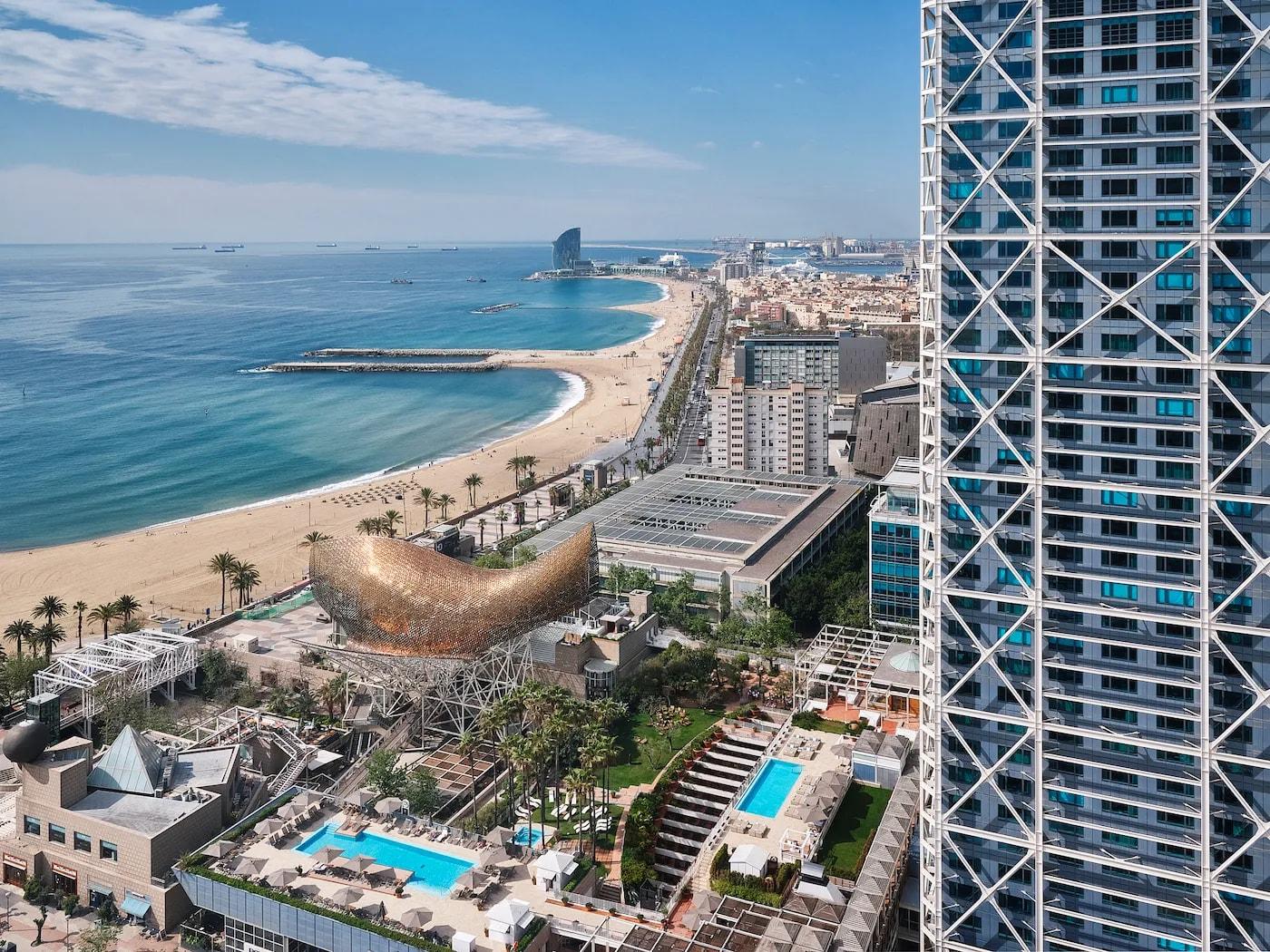
Spain boasts over 5,000 kilometres of coastline, with standout beaches on the Costa del Sol, the Costa Brava and the Balearic Islands. Luxury resorts and private beach clubs are plentiful in Marbella, Ibiza and Formentera. Some beaches offer exclusive services, including private cabanas, concierge support and gourmet dining. Those seeking seclusion can opt for quiet coves accessible by yacht or private boat.
Gastronomy
Spanish cuisine is celebrated for both diversity and finesse, with numerous Michelin-starred restaurants in Madrid, Barcelona and San Sebastián. Culinary experiences range from private wine and tapas tastings to cooking classes with renowned chefs and guided tours of local markets. Seafood, Iberian ham and wines from Rioja and Ribera del Duero are essentials. Book well ahead for the most sought-after tables.
Culture
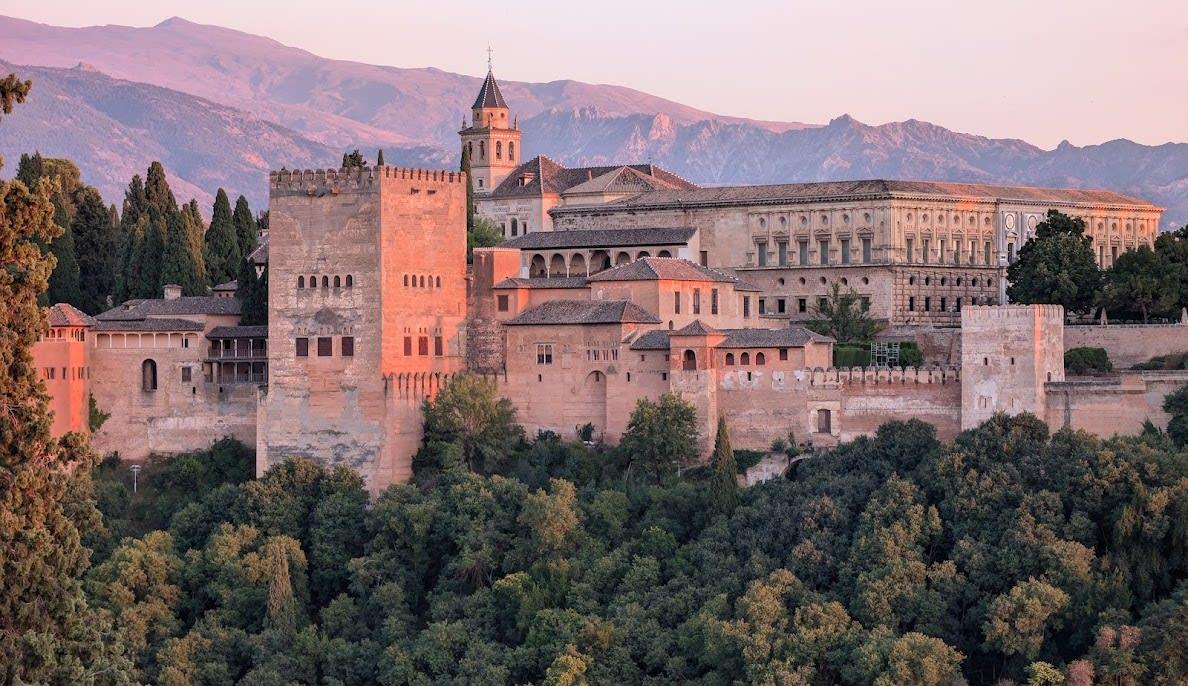
Spain offers an exceptional cultural heritage, with UNESCO World Heritage Sites such as the Alhambra in Granada, the Sagrada Família in Barcelona and the Prado Museum in Madrid. Private and guided tours are available to experience these landmarks in privileged conditions. Music festivals, flamenco performances and bullfights remain integral to the cultural landscape. Art aficionados can gain access to private collections or exclusive temporary exhibitions.
Religion
Most of Spain’s population is of Catholic tradition, reflected in the country’s many religious festivals and historic monuments. Churches, cathedrals and monasteries are open to visitors, sometimes with reserved access for private groups. Certain celebrations, such as Holy Week, offer uniquely immersive cultural experiences. Visitors are encouraged to respect places of worship and local religious customs.
Safety and travel advice
Natural disasters
Spain faces moderate natural risks, mainly forest fires in summer and episodes of heavy rainfall in certain regions. Earthquakes are rare but possible in the southeast of the country. It is wise to stay informed about local alerts, particularly when staying in rural or mountain areas.
Crime and safety
Overall crime levels in Spain are low, but pickpocketing does occur in tourist areas, especially in Barcelona and Madrid. Residential districts and high-end hotels generally benefit from enhanced security. Stay alert in crowded places and consider relying on private transport services.
Traffic regulations
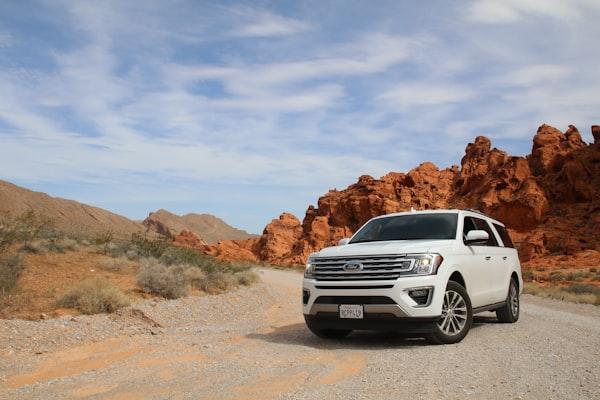
Driving in Spain is on the right, with speed limits strictly enforced. Motorways are well maintained, and some are toll roads. Road checks are frequent, particularly for drink driving. High-end rental vehicles are available in major cities and at airports.
Car theft
Car theft is uncommon, especially for vehicles parked in supervised or private car parks. It is best not to leave valuables inside the vehicle. Luxury rental agencies often provide additional insurance options and advanced security features.
Travel insurance
Comprehensive travel insurance is strongly recommended, including medical cover, cancellation and baggage loss. Some premium bank cards offer specific benefits for travellers. Check that your policy covers exclusive activities such as yachting or adventure sports.