
Travel guide
Portugal
Explore the soulful homeland of fado.
Suggested itineraries
Best time to go
Apr – Oct
Explore by region
Search in Portugal
THE BEST PLACES TO VISIT IN PORTUGAL
GEOGRAPHY & WEATHER
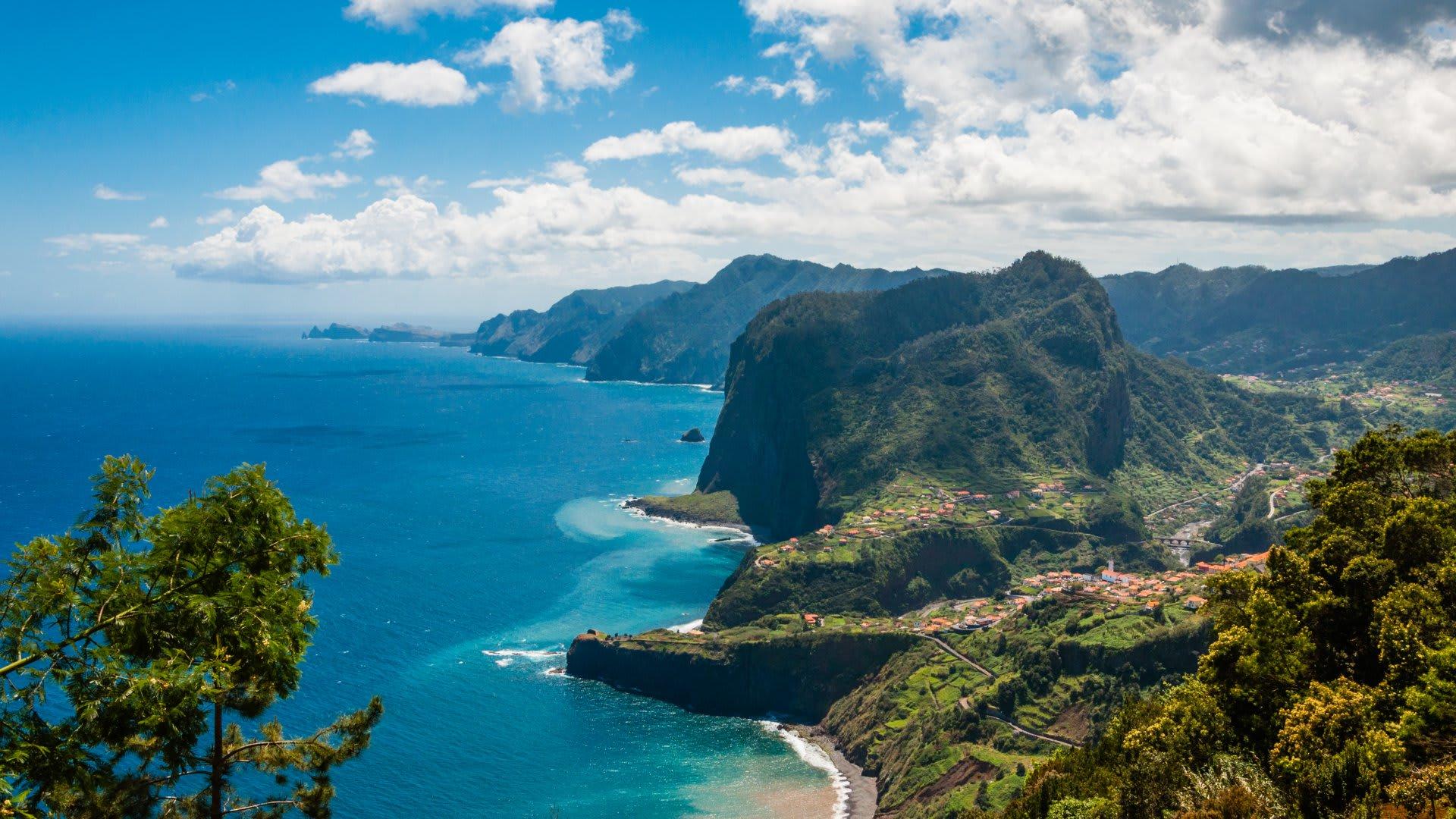
"Portugal enjoys a mild Mediterranean climate, with hot, dry summers and mild, wet winters. Spring and autumn are ideal: pleasantly warm temperatures with blossom-filled landscapes in spring, and golden light plus fewer crowds in autumn. Summer draws visitors to its sun-drenched beaches, while winter reveals a more intimate, authentic side of the country."



FREQUENTLY ASKED QUESTIONS ABOUT PORTUGAL
Portugal combines remarkably well-preserved heritage, medieval architecture and dramatic coastline. Lisbon and Porto serve refined cuisine and renowned wines, while the contrasting landscapes, from the Algarve to the vineyards of the Douro Valley, create a rich, layered cultural experience.
Portugal offers excellent value for money in Europe. Accommodation, dining and attractions are generally more affordable than in many neighbouring countries. Prices do vary by region: Lisbon and the Algarve tend to be more expensive than the country’s interior.
No, citizens of the European Union do not need a visa to enter Portugal. Travellers from other countries must check entry requirements for their nationality, as some benefit from visa exemptions or can obtain a visa on arrival.
The official language in Portugal is Portuguese, a Romance language spoken by around 10 million inhabitants. English is also widely understood in tourist areas and commercial districts of the main cities.
Travel insurance is not mandatory for Portugal, but it is strongly recommended. It can cover medical expenses, trip cancellation, luggage and repatriation. EU residents benefit from EHIC coverage; always check the specific conditions that apply to your situation.
Portugal is among the safest destinations in Europe, with a low crime rate. Major cities such as Lisbon and Porto are well policed and generally secure. Standard precautions are enough: stay alert to pickpockets on public transport and in busy tourist areas.
Portugal mainly uses type C and F power sockets, with a voltage of 230 volts and a frequency of 50 Hz. Check your devices are compatible and bring an appropriate adaptor if needed.
Travellers are drawn to Portugal’s varied landscapes, rich historic heritage and distinctive architecture. Visitors relish the local gastronomy, celebrated wines, Algarve beaches and Mediterranean climate. The vibrant culture of Lisbon and Porto, together with well-preserved traditions, completes the country’s enduring appeal.
Complete Guide to Portugal
Travelling to Portugal
Portugal is served by several international airports, including Lisbon, Porto and Faro, making it easily accessible from major European capitals. High-end travellers often opt for private transfers or concierge services for seamless comfort from the moment they land. The country has a modern motorway network linking major cities with the coast. Private yachts and helicopters are also available for exclusive journeys.
How to plan your trip
For a luxury stay, it’s best to book five-star hotels, high-end resorts or private villas well in advance, especially in peak season. Specialist agencies can arrange tailor-made experiences such as private tastings at Douro vineyards or exclusive guided tours of historic landmarks. Aim for a balanced itinerary that combines relaxation, culture and gastronomy. Private transfers and concierge services streamline logistics once you are there.
Best time to visit Portugal
Portugal enjoys a Mediterranean climate, with hot, dry summers and mild winters, especially along the southern coast. The ideal time to visit runs from April to October, with larger crowds in July and August. May, June, September and October offer pleasant weather and fewer visitors, ideal for enjoying both beaches and cultural sites. Some regions, such as the Algarve, remain attractive year-round thanks to abundant sunshine.
Coasts and beaches
Portugal’s coastline is known for its golden-sand beaches, especially in the Algarve, home to exclusive resorts and private beach clubs. The Alentejo coast appeals with its wild landscapes and discreet boutique hotels. Watersports enthusiasts head for the Cascais area and the west coast, famed for its surf spots. Many beaches feature upscale services, including private cabanas and gourmet dining.
Gastronomy
Portuguese cuisine stands out for the quality of its local produce, from fresh seafood to renowned wines from the Douro and Alentejo. Michelin-starred restaurants in Lisbon, Porto and the Algarve serve inventive menus inspired by regional traditions. Exclusive culinary experiences range from private dinners at wine estates (quintas) to workshops with acclaimed chefs. Food markets and wine bars offer an authentic immersion in local culture.
Culture
Portugal boasts a rich historical heritage, showcased in its palaces, monasteries and UNESCO-listed old towns, including those of Lisbon, Porto and Sintra. Private tours of museums or monuments offer a privileged way to explore the country’s history. Music, fado and contemporary art festivals punctuate the cultural calendar throughout the year. Art galleries and artisan studios provide personalised experiences for culture lovers.
Religion
Portugal is predominantly Catholic, with many remarkable religious buildings such as the Jerónimos Monastery in Lisbon and the Sanctuary of Fátima. Religious celebrations, including Holy Week and pilgrimages, are integral to local life. Visitors can attend Mass or organ concerts in historic churches. Respect for religious traditions is appreciated, particularly when visiting sacred sites.
Safety and travel tips
Natural disasters
Portugal is exposed to moderate seismic risk, mainly in the Lisbon area. Wildfires can occur in summer, especially in the centre and south of the country. Local authorities regularly issue alerts and safety guidelines. Check weather and local conditions before travelling into rural areas.
Crime and security
Portugal is considered one of the safest countries in Europe, with low crime rates. The most common incidents involve pickpocketing in tourist areas. High-end hotels and resorts generally have enhanced security measures. Stay alert in crowded places and keep valuables in a secure location.
Driving regulations
Driving in Portugal is on the right, with a well-maintained road network, particularly on toll motorways. Speed limits are strictly enforced and police checks are frequent. Drivers must hold a valid driving licence and comply with local rules, especially regarding drink-driving. Luxury car rental companies offer high-end vehicles, often with the option of a chauffeur.
Car theft
Car theft is rare, but it is advisable to use secure or monitored car parks, especially in major cities and tourist hotspots. Luxury rental vehicles are generally equipped with advanced security systems. Avoid leaving valuables inside the car. Most rental agencies offer specific insurance cover for theft.
Travel insurance
Comprehensive travel insurance is highly recommended, including medical cover, trip cancellation and baggage loss. High-end properties may sometimes request proof of insurance for certain exclusive activities. Check the level of cover for watersports or private excursions. Concierge services can assist travellers in an emergency or in case of medical needs.