
Travel guide
Monaco
Discover the principality that’s home to the legendary Monte Carlo Casino
Suggested itineraries
Best time to go
May – Sept
Explore by region
Search in Monaco
THE BEST PLACES TO VISIT IN MONACO
GEOGRAPHY & WEATHER
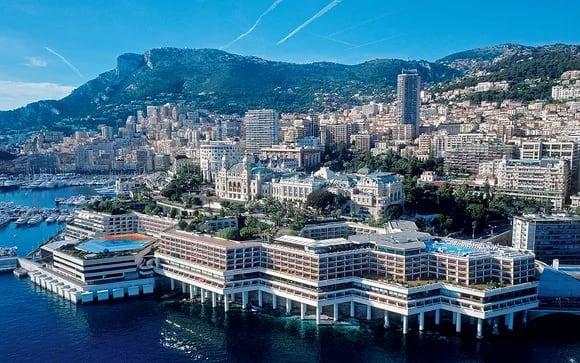
"Monaco enjoys an idyllic Mediterranean climate with hot, dry summers. From May to September, the light is dazzling and temperatures are pleasantly warm, while autumn brings a remarkably gentle softness. Winter stays mild, ideal if you prefer to avoid the summer crowds."
FREQUENTLY ASKED QUESTIONS ABOUT MONACO
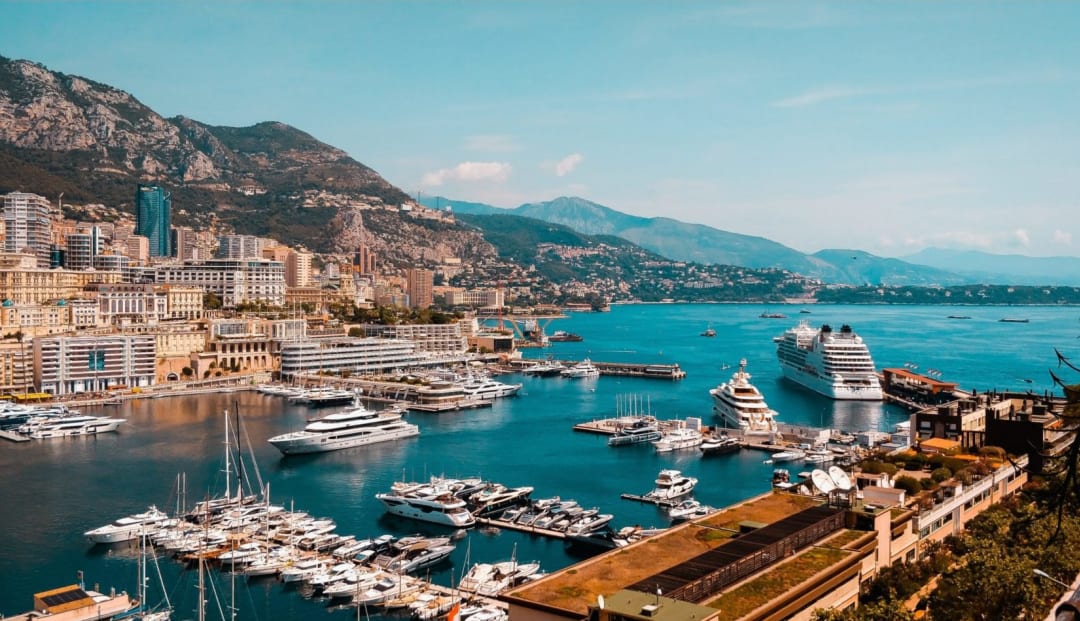
Monaco concentrates an exceptional range of attractions in a tiny area: the Prince’s Palace, the Monte Carlo Casino and the Oceanographic Museum. Its natural harbour is lined with some of the world’s most impressive yachts. The surrounding Côte d’Azur adds beaches, fine-dining restaurants and prestigious events such as the Formula 1 Grand Prix.
Monaco is not a budget destination. Prices are among the highest in Europe: accommodation, dining and services are all firmly in the premium bracket. The cost of living is significantly higher than in most European destinations.
No, citizens of the European Union do not need a visa for Monaco. Nationals of other countries should check specific requirements with their embassy, as Monaco follows the rules of the Schengen area.
French is the official language in Monaco. Italian, English and Monegasque are also spoken. Monegasque, the traditional local language, is taught in schools but is rarely used in everyday life.
Travel insurance is not legally mandatory in Monaco. However, it is strongly recommended to cover medical expenses, trip cancellation and repatriation. Check that your personal health coverage applies abroad before you travel.
Monaco is one of the safest countries in the world. It benefits from a strong police presence, a very low crime rate and robust security infrastructure. Streets and neighbourhoods are well lit and monitored, providing a secure environment for residents and visitors alike.
Monaco mainly uses type C and E power sockets, with a voltage of 230 volts and a frequency of 50 Hz. Check that your devices are compatible and bring an adapter if needed.
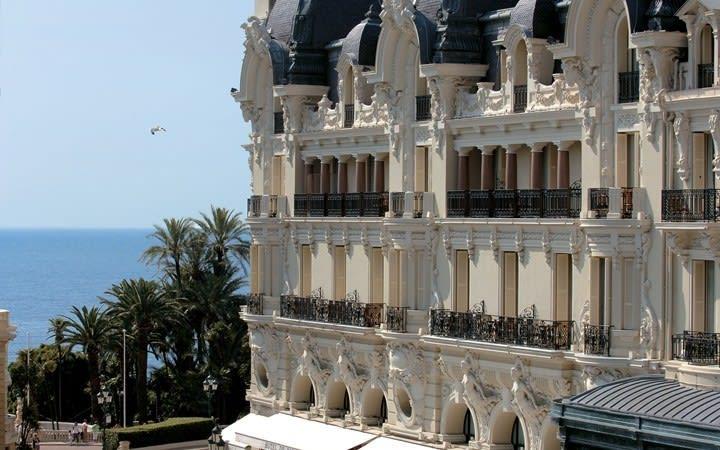
People are drawn to Monaco for its privileged setting on the Côte d’Azur, its Mediterranean climate and prestigious events such as the Grand Prix and the Television Festival. Its status as an independent principality, its natural harbour and its historic architecture are also major highlights.
Complete guide to Monaco
Travelling to Monaco
Monaco is most easily reached via Nice Côte d’Azur International Airport, around 30 minutes away by car or private helicopter. Limousine and helicopter transfers are common for travellers seeking comfort and speed. The country has no airport of its own, but enjoys excellent rail and road links with both France and Italy. Access by yacht is also popular, with berths available in Monaco’s main harbour and in Fontvieille.
How to plan your trip
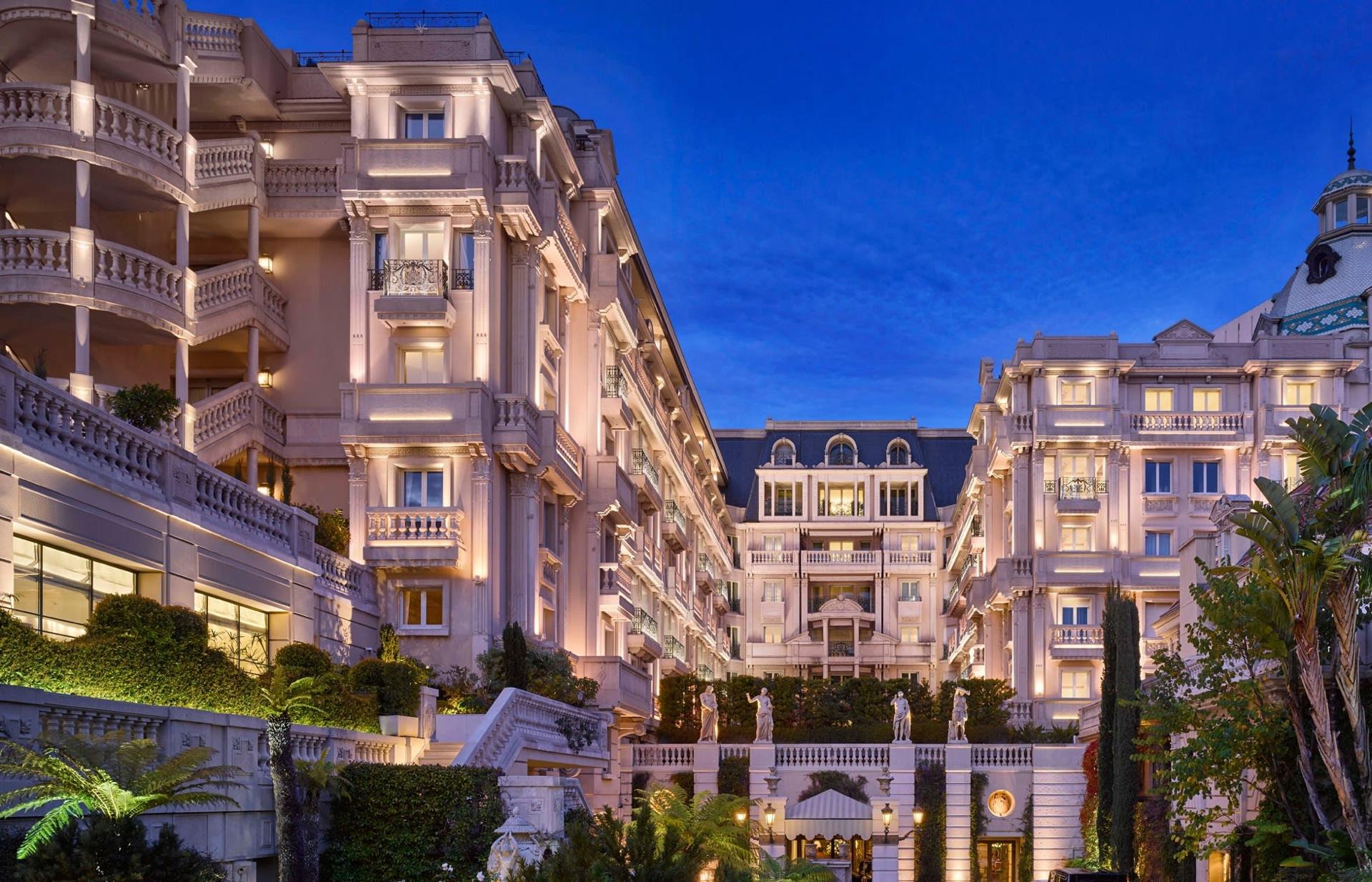
For an upscale stay, it is wise to book well ahead at five-star hotels such as Hôtel de Paris Monte-Carlo or Monte-Carlo Bay Hotel & Resort. Private villas and luxury residences offer a discreet, highly personalised alternative. Concierge services make it easy to arrange exclusive experiences, from access to private events to tailor-made guided tours. Check visa requirements according to your nationality, although Monaco generally follows Schengen-area rules.
Best time to visit Monaco
The ideal time to visit Monaco runs from April to October, when the Mediterranean climate brings pleasant temperatures and plenty of sunshine. Spring and autumn are especially appreciated for their milder weather and fewer visitors. Summer draws major international events, including the Formula 1 Grand Prix and the Monaco Yacht Show. Winters are mild, but some seaside activities are limited.
Coastline and beaches
Monaco has both private and public beaches, including Larvotto Beach, known for its fine sand and clear water. Beach clubs offer premium services such as private cabanas, high-end dining and watersports. Secluded coves accessible by boat provide a more intimate experience. The marinas welcome yachts and superyachts, supported by first-class facilities.
Gastronomy
Monaco’s dining scene is defined by Michelin-starred restaurants such as Le Louis XV – Alain Ducasse at the Hôtel de Paris. Leading chefs showcase Mediterranean produce and local specialties such as barbajuan and socca. Beach venues and rooftop restaurants serve refined cuisine with sea views. Local markets, including La Condamine Market, are ideal for discovering fresh, artisanal products.
Culture
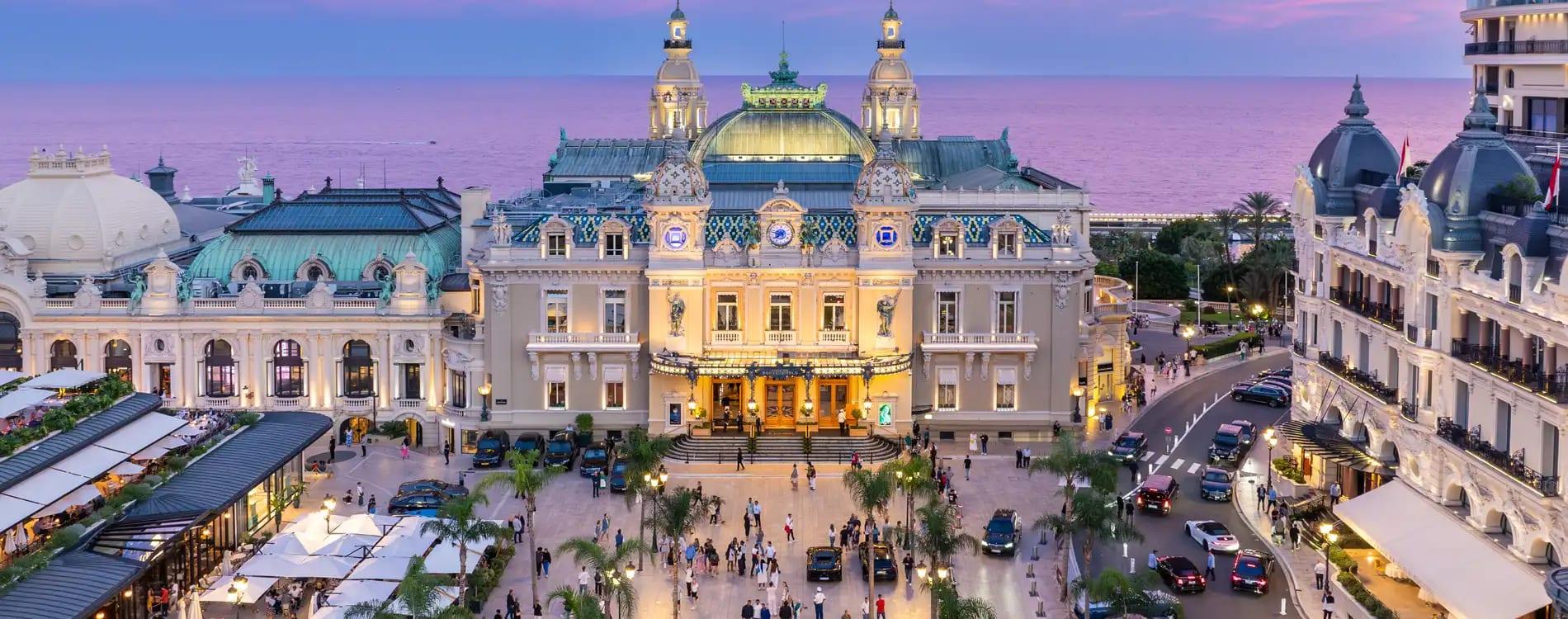
Monaco has a vibrant cultural life, with institutions such as the Opéra de Monte-Carlo, the Oceanographic Museum and the Grimaldi Forum. The calendar is filled with art events, exhibitions and international festivals. Architectural heritage ranges from Belle Epoque and Art Deco to contemporary design. Private visits to museums or art collections can be arranged on request.
Religion
The majority religion in Monaco is Catholicism, represented by the Cathedral of Our Lady Immaculate. Major religious holidays are observed, but the Principality also accommodates other faiths with respect for diversity. Places of worship are open to visitors, and some host concerts or cultural events. Religious tolerance is an important value in Monaco.
Safety and travel tips
Natural disasters
Monaco is minimally exposed to major natural disasters. Seismic risk is low and flooding is rare, thanks to effective infrastructure management. Heavy rainfall can occur in autumn, but the Principality’s services respond quickly. It is advisable to stay informed about weather conditions during your stay.
Crime and safety
Crime rates in Monaco are very low, making it one of the safest countries in the world. Police presence is discreet but efficient, especially in tourist areas and exclusive residential districts. Incidents are rare, but visitors should still stay alert in very busy places. Valuables should be kept secure, for example in hotel safes.
Road rules
Driving in Monaco is governed by strict regulations, with a general speed limit of 50 km/h in town. Parking is controlled, and there are many public car parks, often monitored and designed for high-end vehicles. Valet services are available at most luxury hotels and restaurants. Public transport is efficient, but chauffeur-driven cars remain the preferred option for added comfort.
Car theft
Car theft is extremely rare in Monaco, thanks to CCTV coverage and vigilant law enforcement. Luxury vehicles are given particular attention, especially in secure car parks. It is still sensible not to leave any belongings visible inside the vehicle. Insurance covering theft is recommended for rental or collector cars.
Travel insurance
Comprehensive travel insurance is recommended, including medical cover, trip cancellation and personal liability. Healthcare facilities in Monaco are of an excellent standard, but costs can be high without appropriate insurance. Some premium bank cards include specific benefits for travellers. Check your policy conditions before departure to ensure optimal protection.