

Travel guide
Maldives
Discover a nation of turquoise lagoons.
Suggested itineraries
Best time to go
Dec – Apr
Explore by region
Coming soon...
Search in the Maldives
THE BEST PLACES TO VISIT IN THE MALDIVES
GEOGRAPHY & WEATHER
"The Maldives enjoy a humid tropical climate where sunshine dominates. From November to April, the dry season brings crystal-clear waters and picture-perfect days, while May to October ushers in the monsoon and lush greenery, ideal for travellers seeking serenity far from the crowds."


FREQUENTLY ASKED QUESTIONS ABOUT THE MALDIVES
The Maldives offer outstanding coral reefs for diving, white-sand beaches and turquoise waters. The archipelago boasts remarkable marine biodiversity, a consistently tropical climate and a well-developed tourism infrastructure with a wide choice of resorts.
The Maldives are not a budget destination. Accommodation, restaurants and activities are all expensive, especially on private island resorts. International flights also represent a significant cost. Daily expenses are generally higher than in other Asian destinations.
Nationals of most countries are exempt from needing a visa for tourist stays in the Maldives of up to 30 days. On arrival, you will receive a tourist entry stamp. Check the specific conditions for your nationality with your embassy.
In the Maldives, the official language is Dhivehi (or Maldivian), an Indo-Aryan language. English is widely spoken in the tourism sector, as well as in hotels and commercial establishments.
Yes, travel insurance is strongly recommended in the Maldives. It covers emergency medical costs, medical evacuation (crucial on the atolls), trip cancellation and lost luggage. Make sure your policy includes the water-based activities you plan to do.
In the Maldives, electrical sockets are mainly types D, G, J, K and L. The standard voltage is 230 V with a frequency of 50 Hz. It is advisable to bring a universal adapter for your electronic devices.
Complete Guide to the Maldives
Travelling to the Maldives
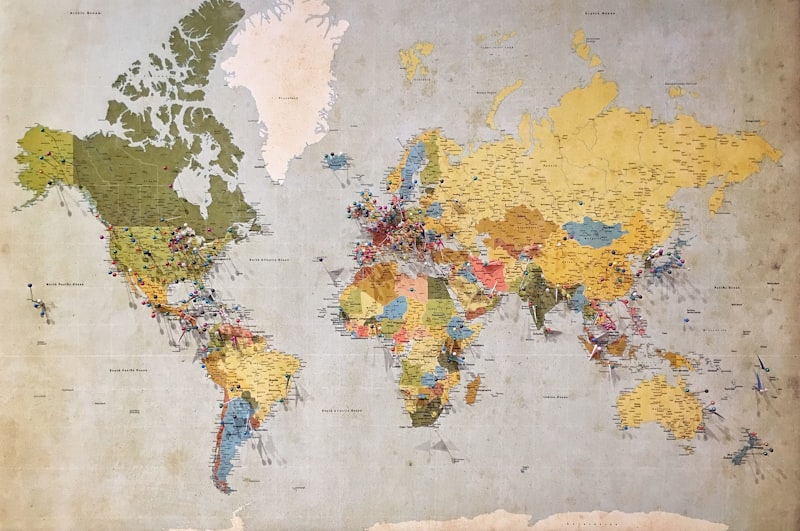
The Maldives archipelago lies in the Indian Ocean, southwest of India and Sri Lanka. Malé International Airport (Velana International Airport) is the main gateway, with regular flights from Europe, the Middle East and Asia. Transfers to the resort islands are usually by seaplane or speedboat, arranged directly by high-end properties. A passport valid for at least six months after your arrival date is required for entry.
How to plan your trip
Booking a stay in the Maldives usually means choosing a resort or private villa on a dedicated resort island. Five-star properties offer personalised service, renowned spas and exclusive experiences such as private beach dinners or sunset cruises. It is wise to book several months ahead, especially for peak season dates. Inter-island transfers and activities should also be organised before you travel to ensure availability and a smooth stay.
Best time to visit the Maldives
The dry season, from November to April, is the most sought-after period, with plenty of sunshine and calm seas. This is peak tourist season and ideal for water sports and diving. The wet season, from May to October, brings more frequent showers but remains pleasant, often with more attractive rates. Temperatures remain fairly constant throughout the year, between 26°C and 31°C.
Coasts and beaches
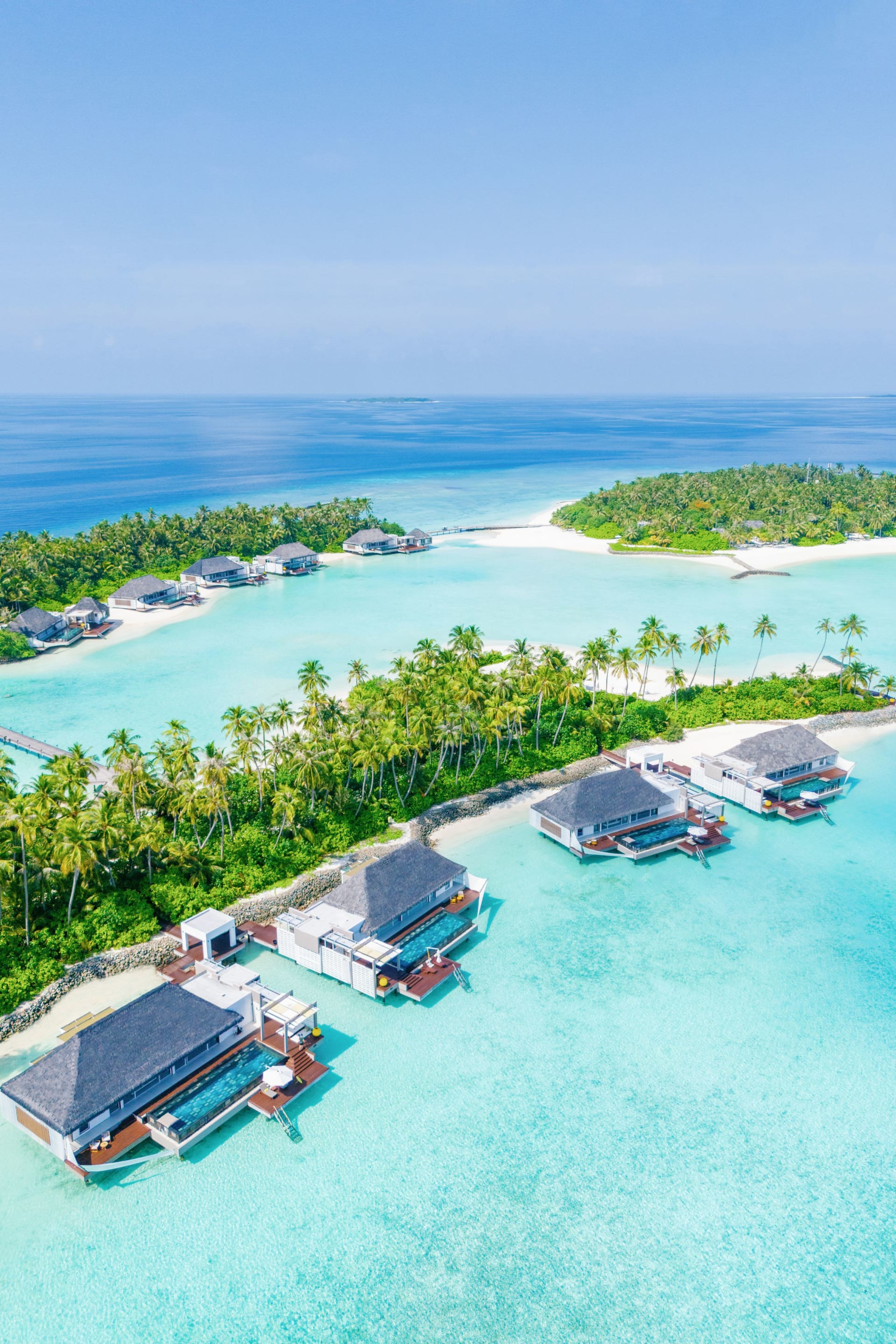
The Maldives are famous for their white-sand beaches and translucent turquoise lagoons. Many resorts feature private beaches and overwater villas with direct access to the sea. Coral reefs shelter exceptional marine life, making the islands a prime destination for scuba diving and snorkelling. Some islands offer exclusive excursions to isolated sandbanks or to renowned dive sites.
Gastronomy
Maldivian cuisine highlights seafood, fresh fish and local spices. Luxury hotels offer gourmet restaurants, often led by international chefs, with fusion menus and tailored culinary experiences. Private dinners on the beach or in overwater pavilions are popular options for a more exclusive setting. Local specialities include mas huni (tuna, coconut, onion) and fish curry.
Culture
Maldivian culture is shaped by South Asian, Arab and African influences. Bodu beru drumming, traditional dances and local handicrafts are central to island life. Visitors can explore the country’s history in Malé, particularly at the National Museum and the Hukuru Miskiy mosque. Observing local customs, especially dress codes away from the resorts, is recommended.
Religion
Sunni Islam is the state religion in the Maldives. Religious practices structure daily life, especially during the month of Ramadan. Visitors are expected to respect local rules, including the ban on alcohol and pork outside tourist establishments. Religious events and sacred sites should be approached with discretion and respect.
Safety and travel advice
Natural disasters
The Maldives are exposed to monsoon risks, mainly between May and October, which can bring heavy rain and strong winds. The tsunami risk is low but present due to the archipelago’s location. Resorts are equipped to handle such situations and have appropriate safety protocols in place.
Crime and security
Crime rates are low in tourist areas, although visitors should remain alert in Malé and other public places. Petty theft is uncommon but can occur, particularly during transfers. Luxury resorts maintain a high level of security, with trained staff and controlled access.
Traffic regulations
Traffic drives on the left in the Maldives. On resort islands, guests usually get around on foot, by electric buggy or by bicycle. In Malé, traffic can be heavy and the streets narrow; using hotel-organised transfers or official taxis is advisable.
Car theft
Car theft is extremely rare, as most islands do not allow private car traffic. In Malé, vehicles are mainly used by residents and public services. Visitors generally have no need to rent a car during their stay.
Travel insurance
Comprehensive travel insurance is strongly recommended, covering medical expenses, medical evacuation and trip cancellations. Some resorts ask for proof of insurance on arrival. Medical facilities on the islands are limited, although emergency services are available in Malé and at some high-end properties.