

Travel guide
Japan
Set off to explore the land of cherry blossoms.
Suggested itineraries
Best time to go
Apr – Oct

GEOGRAPHY & WEATHER
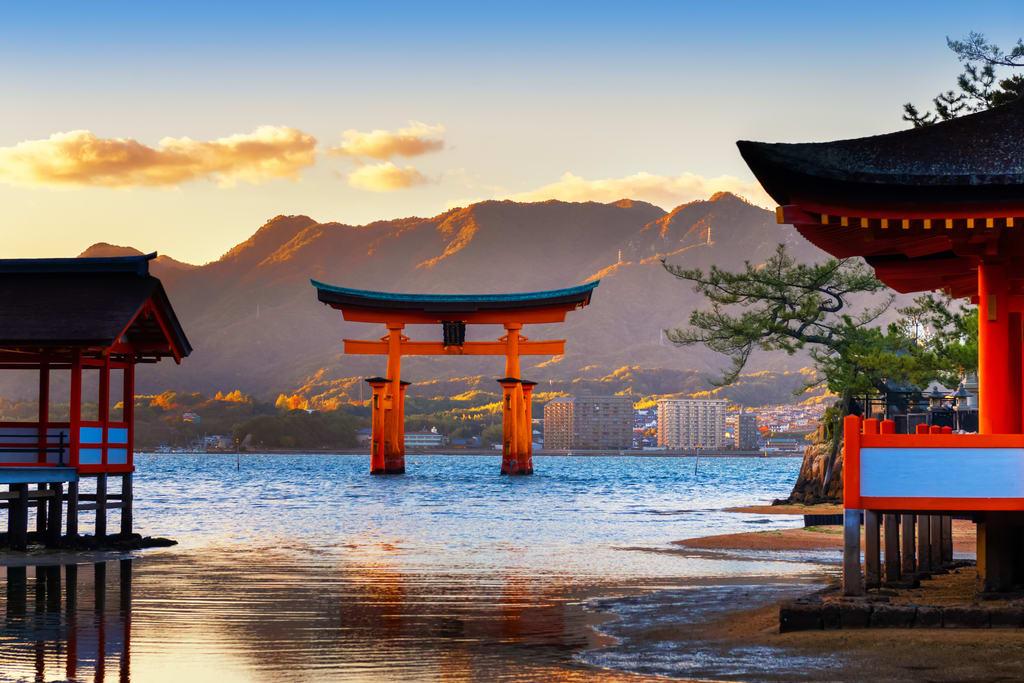
"Japan enjoys a temperate climate with four distinct seasons. Spring (Mar–May) enchants with cherry blossoms in full bloom, while autumn (Sep–Nov) captivates with blazing colours and mild weather. Summer brings heat and vibrant festivals, winter unveils snowy landscapes and hot springs. The best times to visit are spring and autumn, which avoid the summer monsoon and winter cold."






FREQUENTLY ASKED QUESTIONS ABOUT JAPAN
Japan offers a unique blend of age‑old traditions and cutting‑edge modernity. Historic temples, zen gardens and castles sit alongside ultra‑modern cities. Refined cuisine, varied landscapes and a distinctive culture make it a rich and diverse destination.
Japan can offer good value depending on where you go. Rural areas and small eateries tend to be affordable, while Tokyo and Kyoto are more expensive. Public transport remains reasonably priced compared with other developed countries.
French nationals are exempt from needing a visa for stays in Japan of up to 90 days; a valid passport is sufficient. For longer visits or professional activities, a visa application must be made to the Japanese embassy.
Japan’s official language is Japanese, which uses three writing systems: hiragana and katakana (syllabaries) and kanji (logographic characters). English is spoken in some tourist and professional contexts.
Yes, travel insurance is recommended for Japan. Although the healthcare system is excellent, medical costs can be high for foreign visitors. Insurance can also cover cancellations, lost luggage and repatriation. Check the specific conditions that apply to your nationality.
Japan is one of the safest countries in the world, with very low crime rates and public transport that is reliable and closely monitored. Safety infrastructure is excellent. Natural risks include earthquakes and seasonal typhoons, so some preparation is advisable.
Japan mainly uses type A and B plugs, with a standard voltage of 100 volts and a frequency of either 50 or 60 Hz depending on the region. It is advisable to check whether your devices are compatible before you travel.
Japan captivates visitors with its cultural richness: ancient temples, age‑old traditions and refined arts coexist with contemporary life. Its varied landscapes, renowned cuisine, warm hospitality and efficient infrastructure make it a complete and compelling destination.
Complete Guide to Japan
Traveling to Japan
Japan is served by several major international airports, including Narita (Tokyo), Haneda (Tokyo) and Kansai (Osaka). Premium travelers enjoy VIP services, private lounges and limousine transfers. Rail connections, especially the Shinkansen, offer an exceptionally comfortable way to explore the country. Luxury accommodation is available in all major cities and popular destinations.
How to plan your trip
It is advisable to book 5-star hotels, outstanding ryokans and private villas several months ahead, especially in peak seasons. Specialist agencies can design bespoke itineraries that include exclusive experiences such as private temple visits or dinners with Michelin-starred chefs. Private transfers and French-speaking guides are recommended for a seamless stay. Be sure to check entry requirements and plan a budget in line with the level of service you expect.
Best time to visit Japan
Spring (March to May) and autumn (September to November) are the most pleasant seasons, with mild weather and spectacular landscapes, from cherry blossom to fiery red maple leaves. Summer is hot and humid but ideal for discovering beaches and islands in the south. Winter draws ski enthusiasts to the high-end resorts of Hokkaido and Nagano. For a quieter experience, avoid national holiday periods such as Golden Week.
Coasts and beaches
Japan is home to beaches renowned for their beauty and tranquillity, especially in Okinawa and the Amami Islands. Luxury resorts offer private villas with direct access to the sea and highly personalised service. Watersports include diving, snorkelling and yachting. Some beaches are accessible only by boat or helicopter, ensuring an exclusive experience.
Gastronomy
Japanese cuisine is celebrated worldwide, with numerous Michelin-starred restaurants in Tokyo, Kyoto and Osaka. Travellers can reserve private culinary experiences such as kaiseki dinners in prestigious ryokans or sake tastings led by a sommelier. Local markets and cooking classes offer a genuinely immersive introduction to the country’s food culture. Seasonal specialities such as wagyu beef and seafood are highlights to seek out.
Culture
Japan blends age-old traditions with cutting-edge modernity, with iconic sites such as Meiji Shrine, Kiyomizu-dera Temple and Himeji Castle. Private tours of museums, gardens and artisan workshops are available for visitors seeking exclusive access. Traditional festivals such as Kyoto’s Gion Matsuri provide a unique immersion in local culture. Contemporary art lovers are drawn to the galleries and museums of Tokyo and Naoshima.
Religion
Shinto and Buddhism are Japan’s main religions, reflected in the country’s many shrines and temples. Visitors can take part in private ceremonies or meditation sessions at temples that welcome international guests. Respect for religious customs, such as purification before entering a shrine, is essential. Some spiritual retreats offer exclusive stays in monasteries.
Safety and travel tips
Natural disasters
Japan is exposed to earthquakes, tsunamis and typhoons, mainly between June and October. High-end hotels and infrastructure are equipped with advanced safety systems. It is advisable to follow local guidance and stay informed about weather alerts. Official mobile apps provide real-time information.
Crime and personal safety
Japan is one of the safest countries in the world, with a very low crime rate. Tourist districts and luxury hotels benefit from enhanced security. Nonetheless, you should remain vigilant in major cities, particularly with your personal belongings. Concierge services can arrange secure transfers and private guides.
Traffic regulations
In Japan, people drive on the left, and an international driving permit is required to rent a vehicle. Roads are well maintained and signage is clear, though traffic can be heavy in large cities. Private chauffeur services are recommended for maximum comfort. Public transport, including luxury trains, is punctual and efficient.
Car theft
Car theft is rare in Japan, especially for rental or luxury vehicles. Car parks at high-end hotels and resorts are secure and monitored 24 hours a day. It is still best not to leave valuables inside the vehicle. Insurance policies generally cover this type of risk.
Travel insurance
Comprehensive travel insurance is strongly recommended, including medical cover, trip cancellation and baggage loss. Some luxury properties require proof of insurance for certain exclusive activities. Medical care is excellent but can be expensive without appropriate cover. Check that your policy includes protection against natural risks specific to Japan.