

Travel guide
Ireland
Explore the land of the Cliffs of Moher.
Suggested itineraries
Best time to go
May – Sept
Explore by region
Search in Ireland
GEOGRAPHY & WEATHER
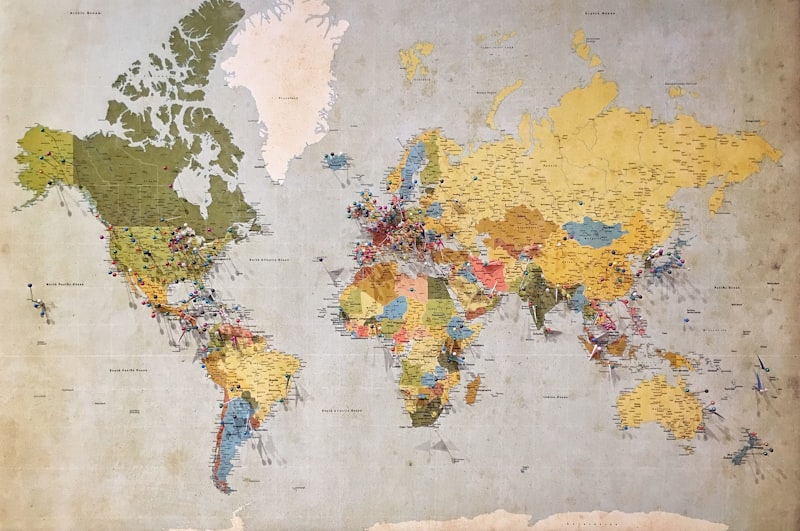
"Ireland has a mild oceanic climate, with frequent rain and gentle temperatures. May to September offers the ideal conditions, with bright, vividly green days. Summer draws the biggest crowds, while spring reveals lush landscapes and autumn tints the scenery with golden hues."

FREQUENTLY ASKED QUESTIONS ABOUT IRELAND
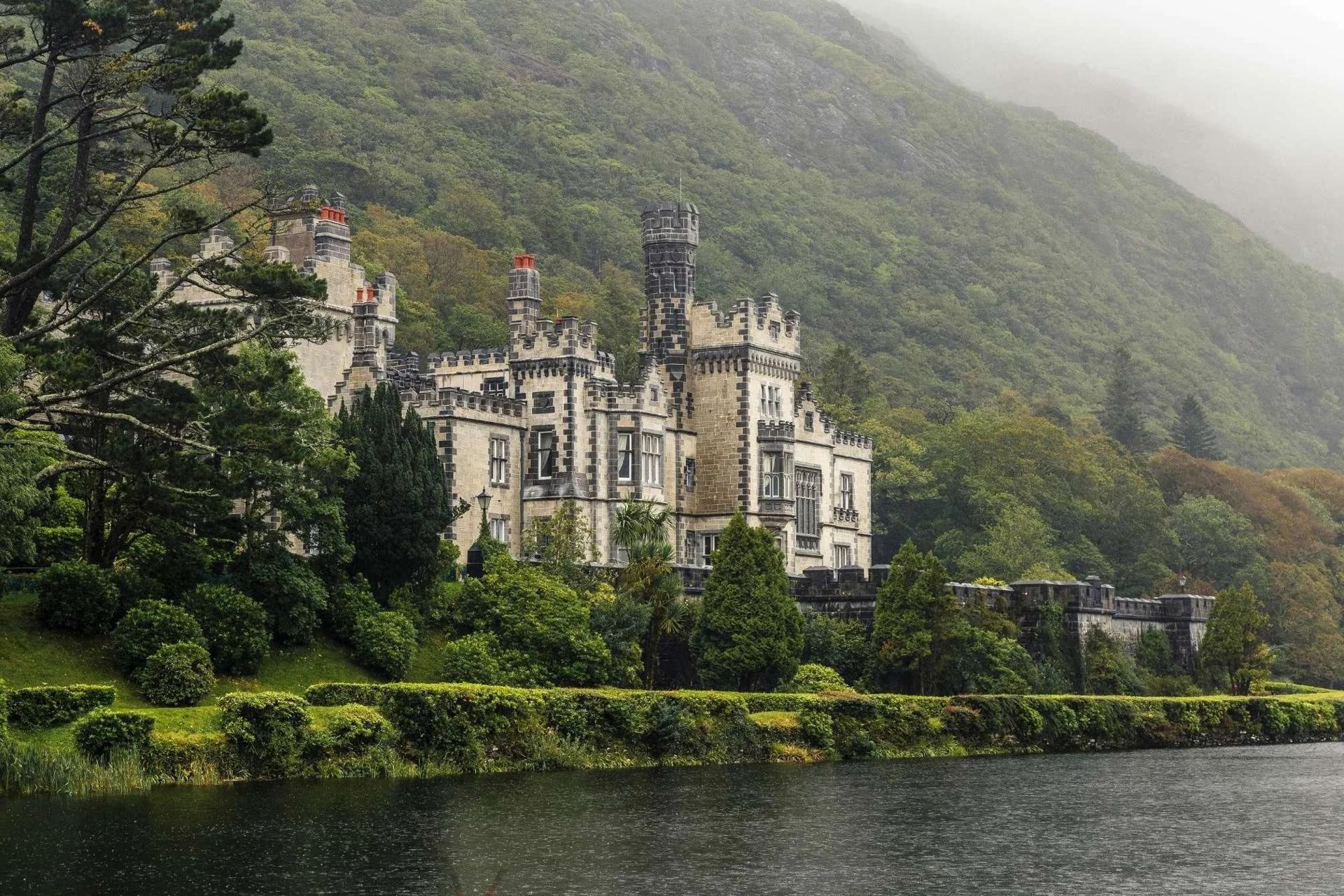
Ireland offers spectacular coastal scenery, from the Cliffs of Moher to wild beaches. Its historical heritage includes medieval castles and ancient archaeological sites. A vibrant culture, traditional music and famously welcoming locals enrich every stay. Unspoilt rural regions contrast with the energy of Dublin.
Ireland offers moderate value for money. High-end accommodation and restaurants are expensive, especially in Dublin. Transport and cultural attractions remain accessible. Prices vary significantly between regions and seasons.
To travel to Ireland, EU/EEA nationals only need a valid identity document. Citizens of other countries must check specific requirements with their embassy, as they vary depending on nationality and length of stay.
In Ireland, English is the main language, spoken by most of the population. Irish (Gaelic) is the second official language, taught in schools and used in certain regions, particularly the Gaeltacht areas.
Travel insurance is not legally mandatory in Ireland. However, it is strongly recommended to cover medical expenses, trip cancellation and luggage. EU nationals benefit from healthcare coverage with the European Health Insurance Card.
Ireland has a low crime rate compared with European averages. Main urban and tourist areas are considered safe. Standard precautions apply: avoid isolated neighbourhoods at night and keep an eye on your belongings in cities. Emergency services are efficient and easy to reach.
Ireland uses type G power sockets, with a voltage of 230 volts and a frequency of 50 Hz. An adapter is required for devices not compatible with this British standard.
Ireland captivates visitors with its dramatic scenery, wild coasts and spectacular cliffs. Its rich cultural heritage, lively musical traditions and fascinating history are major draws. Warm local hospitality and renowned whiskey distilleries complete its appeal.
Complete guide to Ireland
Traveling to Ireland
Ireland is served by several international airports, including Dublin, Cork and Shannon, with convenient connections from Europe and North America. High-end travellers can opt for private transfers or concierge services on arrival. Scenic routes such as the Wild Atlantic Way are ideal for chauffeur-driven luxury car hire. Helicopter and private plane transfers are also available to reach remote regions or exclusive resorts.
How to plan your trip
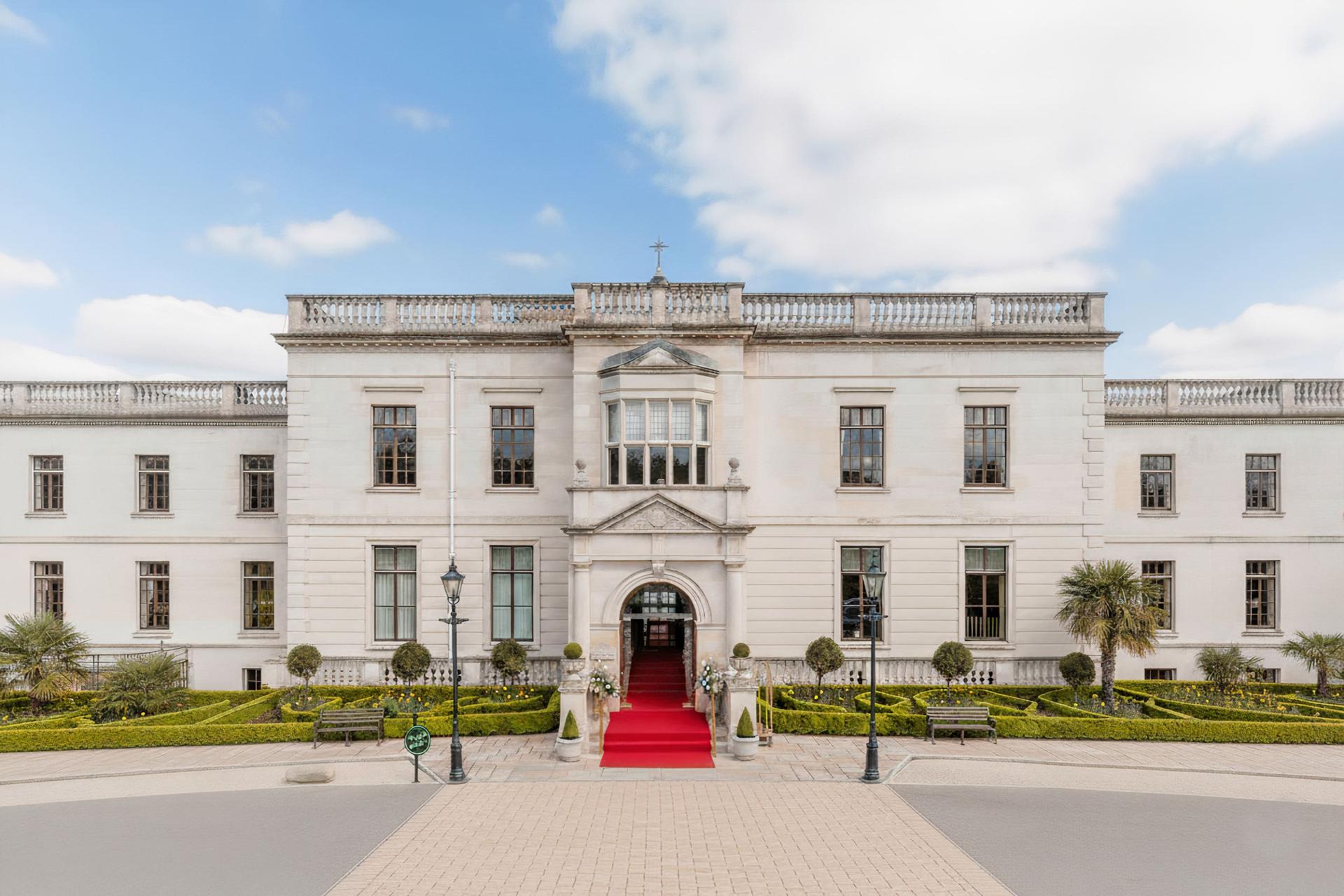
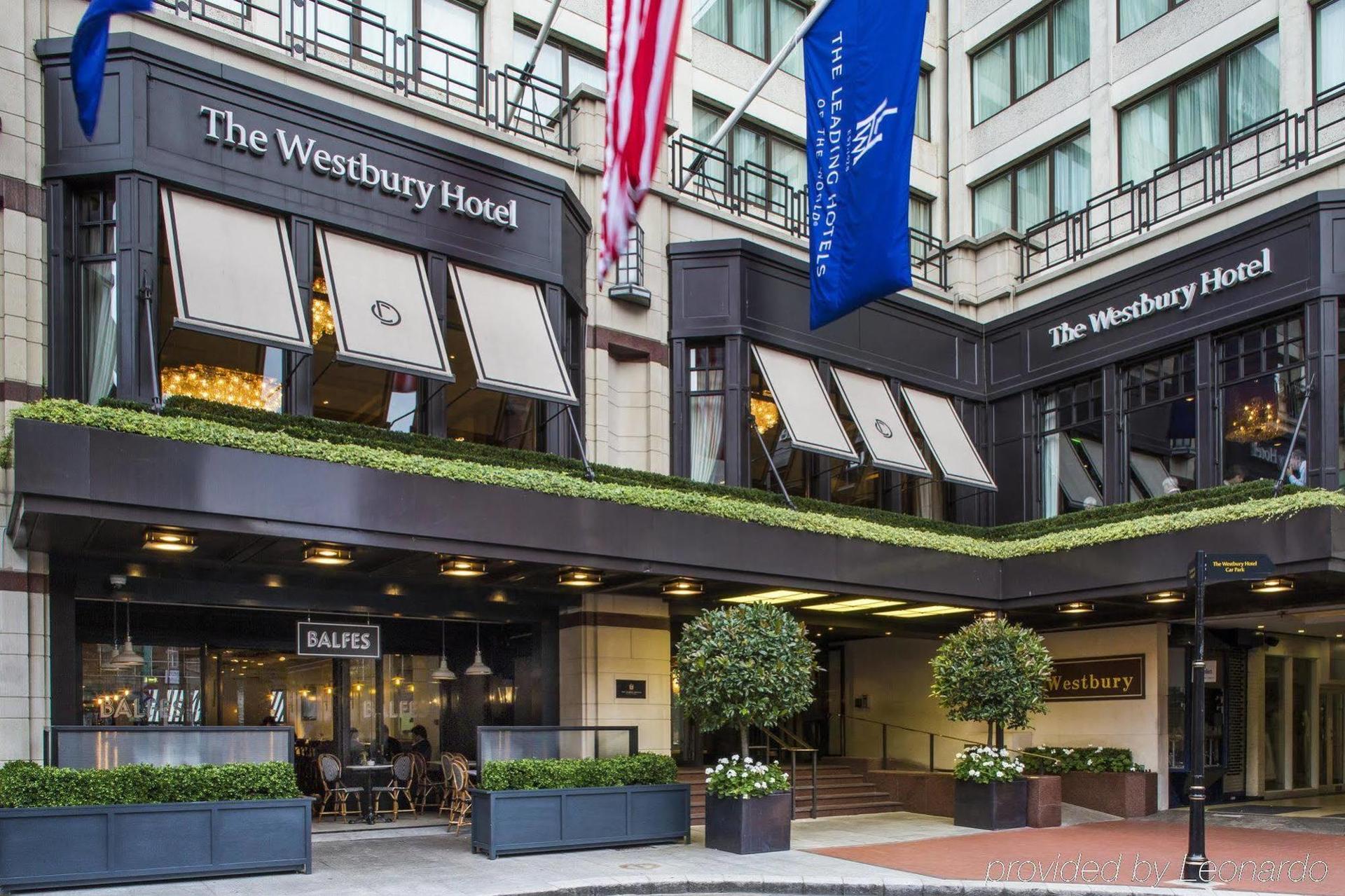
It is advisable to book accommodation and exclusive experiences several months in advance, especially in peak season. Five-star hotels, historic manor houses and private villas offer bespoke services, often with spas, golf or access to renowned chefs. Golf enthusiasts will find some of the most prestigious courses in Europe. Specialist agencies can arrange private distillery tours, coastal cruises or helicopter excursions.
Best time to visit Ireland
The best time to visit is from May to September, when temperatures are mild and the days are long. The climate is oceanic, with frequent showers, but this is when the landscapes are at their greenest. Cultural and food festivals enliven the summer, offering distinctive ways to experience local life. Winter is quieter and well suited to enjoying boutique hotels and spas in a more intimate atmosphere.
Coasts and beaches
Ireland’s coastline offers spectacular vistas, particularly in Connemara, Kerry and Donegal. Some beaches, such as Inchydoney and Ballybunion, are known for their rugged beauty and tranquillity. High-end resorts offer villas with ocean views and private watersports. Yacht charters and sailing trips are a privileged way to discover secluded coves and unspoilt islands.
Gastronomy
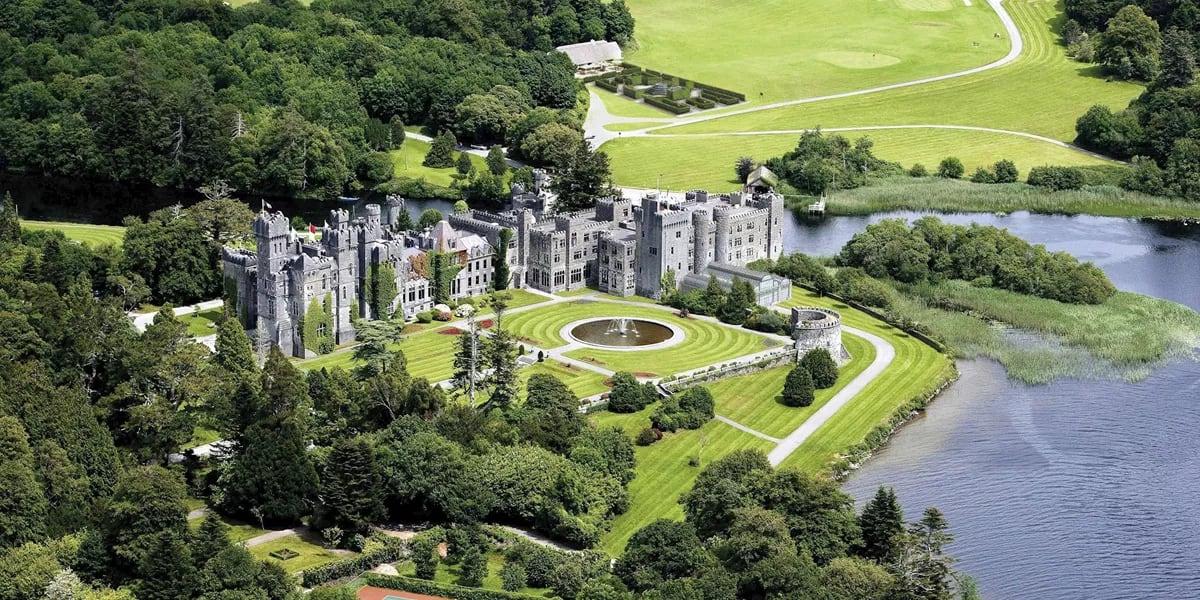
Irish cuisine stands out for its local produce, seafood, lamb and artisanal cheeses. Several Michelin-starred restaurants, especially in Dublin and Cork, serve contemporary cuisine rooted in local ingredients. Exclusive experiences include private dinners in castles and whiskey tastings in historic distilleries. Farmers’ markets and food festivals provide an authentic insight into the local gastronomic scene.
Culture
Ireland has a rich heritage expressed in its castles, monasteries and traditional villages. Private visits to emblematic sites, such as the Trinity College Library or the Giant’s Causeway, can be arranged on request. Traditional music and literature play a central role in cultural life. Specialist guides can organise meetings with local artists or writers.
Religion
Catholicism remains the majority religion in Ireland, but the country is characterised by a high level of religious tolerance. Many religious buildings, such as St Patrick’s Cathedral in Dublin, are open to visitors. Religious traditions shape certain cultural events, notably celebrations such as St Patrick’s Day. Visitors are expected to respect places of worship and local customs.
Safety and travel advice
Natural disasters
Ireland is little exposed to major natural disasters. Atlantic storms can bring strong winds and heavy rain, particularly in autumn and winter. Check the weather forecast before any excursion at sea or in the mountains. Tourist infrastructure is well prepared to cope with challenging weather conditions.
Crime and security
Ireland’s crime rate is relatively low, particularly in rural areas and high-end properties. The most common incidents are pickpocketing in larger cities. Stay alert in busy tourist areas and prioritise private transport or services recommended by your hotel. Luxury establishments generally have enhanced security measures.
Driving regulations
In Ireland, driving is on the left-hand side of the road, which can be disconcerting for some visitors. Main roads are well maintained, though some rural routes are narrow and winding. It is advisable to rent a suitable vehicle and take out fully comprehensive insurance. Speed limits and parking rules must be strictly observed.
Car theft
Car theft is rare, especially for premium hire vehicles or those with a dedicated driver. Nonetheless, avoid leaving valuables inside parked vehicles. Car parks at luxury hotels and resorts are usually monitored and secure.
Travel insurance
Comprehensive travel insurance is strongly recommended, including medical cover, trip cancellation and baggage loss. Some high-end properties require proof of insurance to access certain exclusive services. Check the specific cover for outdoor activities and watersports.