

Photo: Diego Delso / Wikimedia Commons, CC BY-SA 3.0
Travel guide
Hong Kong
Discover a city of dizzying skyscrapers, glittering bays and Chinese traditions reinvented for the modern age.
Suggested itineraries
Best time to go
Oct – Apr
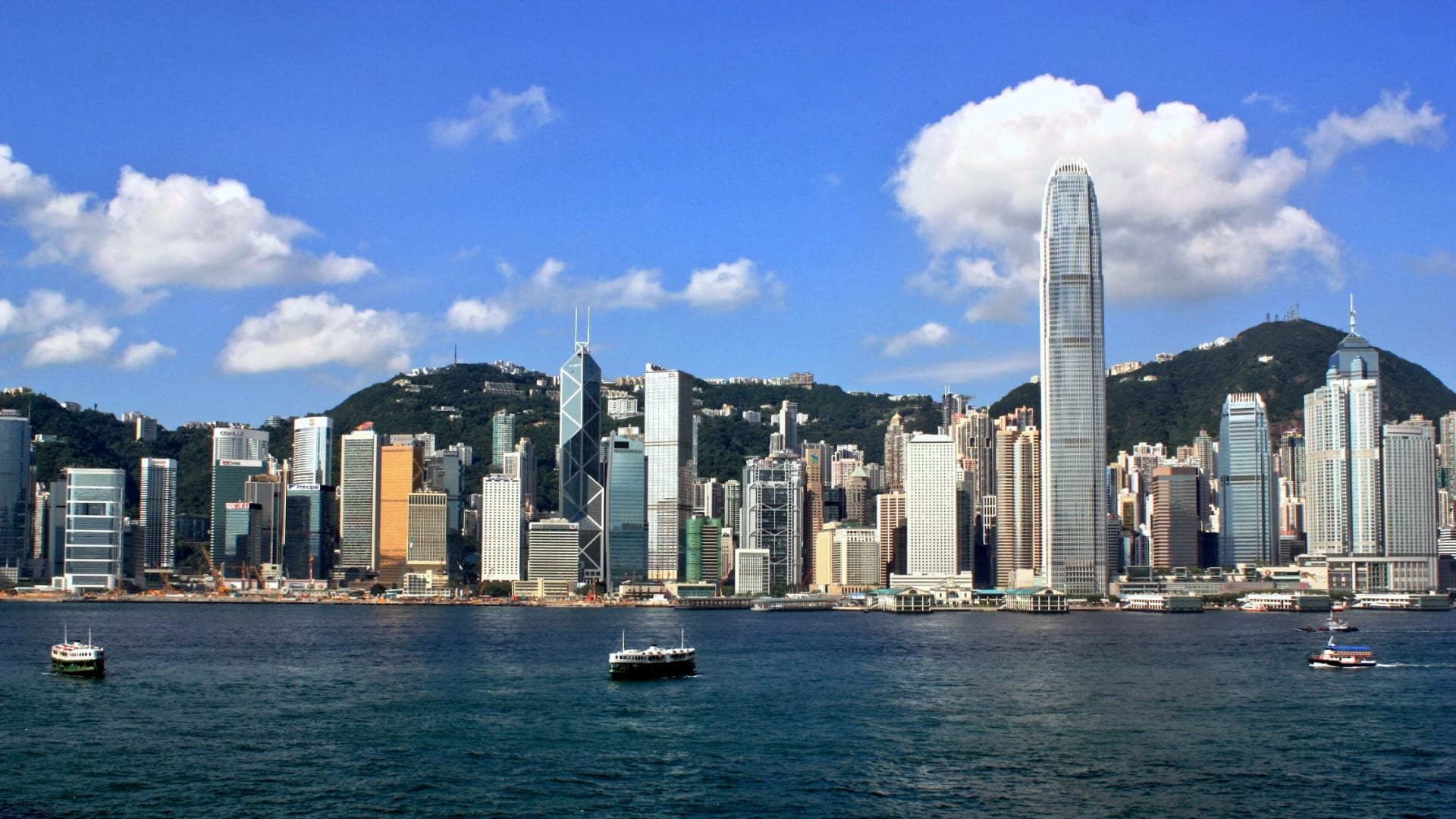
Photo: WiNG / Wikimedia Commons, CC BY-SA 3.0
Explore by region
Coming soon...
Search in Hong Kong
THE BEST PLACES TO VISIT IN HONG KONG
GEOGRAPHY & WEATHER
"Hong Kong enjoys mild, bright winters, with pleasant temperatures from November to April that are ideal for strolling between the hills and the waterfront. Summer is hot and very humid, with the thermometer close to 30°C, frequent rainfall and a risk of typhoons. To make the most of the city, aim for autumn and the very start of spring."


FREQUENTLY ASKED QUESTIONS ABOUT HONG KONG
Hong Kong captivates with its spectacular skyline squeezed between mountains and sea, and with its nonstop urban energy. Between peaceful outlying islands, night markets, discreet temples and refined dining rooms, Hong Kong offers a distillation of modern Asia in a territory that is easy to explore.
With scarce real estate and high standards, Hong Kong is not a cheap destination, especially when it comes to accommodation and certain restaurants. There are, however, more affordable options, particularly for street food, public transport and a few simple but well‑located hotels.
For a short tourist or business stay, French nationals can enter Hong Kong without a visa for several weeks, provided they hold a valid passport. For longer stays, or to work or study, a specific Hong Kong visa is required.
The official languages of Hong Kong are Chinese (mainly Cantonese) and English, which is widely used in transport, administration and business districts. French‑speaking visitors will be able to communicate easily in English in hotels, restaurants and shops.
A trip to Hong Kong is best planned with travel insurance that covers medical care, hospitalisation and possible repatriation, given the high cost of healthcare. It is wise to add cover for luggage, cancellation and delays, in line with the intensity of air traffic.
Hong Kong is generally considered safe, with low levels of petty crime and a visible police presence in busy districts. As in any major metropolis, it is advisable to stay alert in crowds, keep an eye on personal belongings and follow local news.
Hong Kong uses a voltage of 220 V and a frequency of 50 Hz, compatible with most European devices. Sockets are British‑style (type G), so visitors will need an adapter for chargers and electronic equipment.
Travellers love Hong Kong for its rare balance of a vertical city and green islands just a short ferry ride away. Its food scene, from bustling dai pai dong to Michelin‑starred restaurants, and its night‑time panoramas over Victoria Harbour create unforgettable memories.
Complete Guide to Hong Kong
Travelling to Hong Kong
Hong Kong is primarily served by Hong Kong International Airport (HKG) on Chek Lap Kok Island, hub of major Asian airlines and many non‑stop long‑haul routes. From Europe, flight time is usually 11 to 13 hours, with direct connections from Paris, London, Frankfurt and Zurich, as well as numerous options via Gulf hubs. French, Belgian and Swiss nationals are exempt from visas for short tourist stays, provided they present a valid passport and a return ticket. On arrival, border checks are efficient yet smooth, and a high‑performing healthcare system complements airport facilities designed for demanding travellers.
How to plan your trip
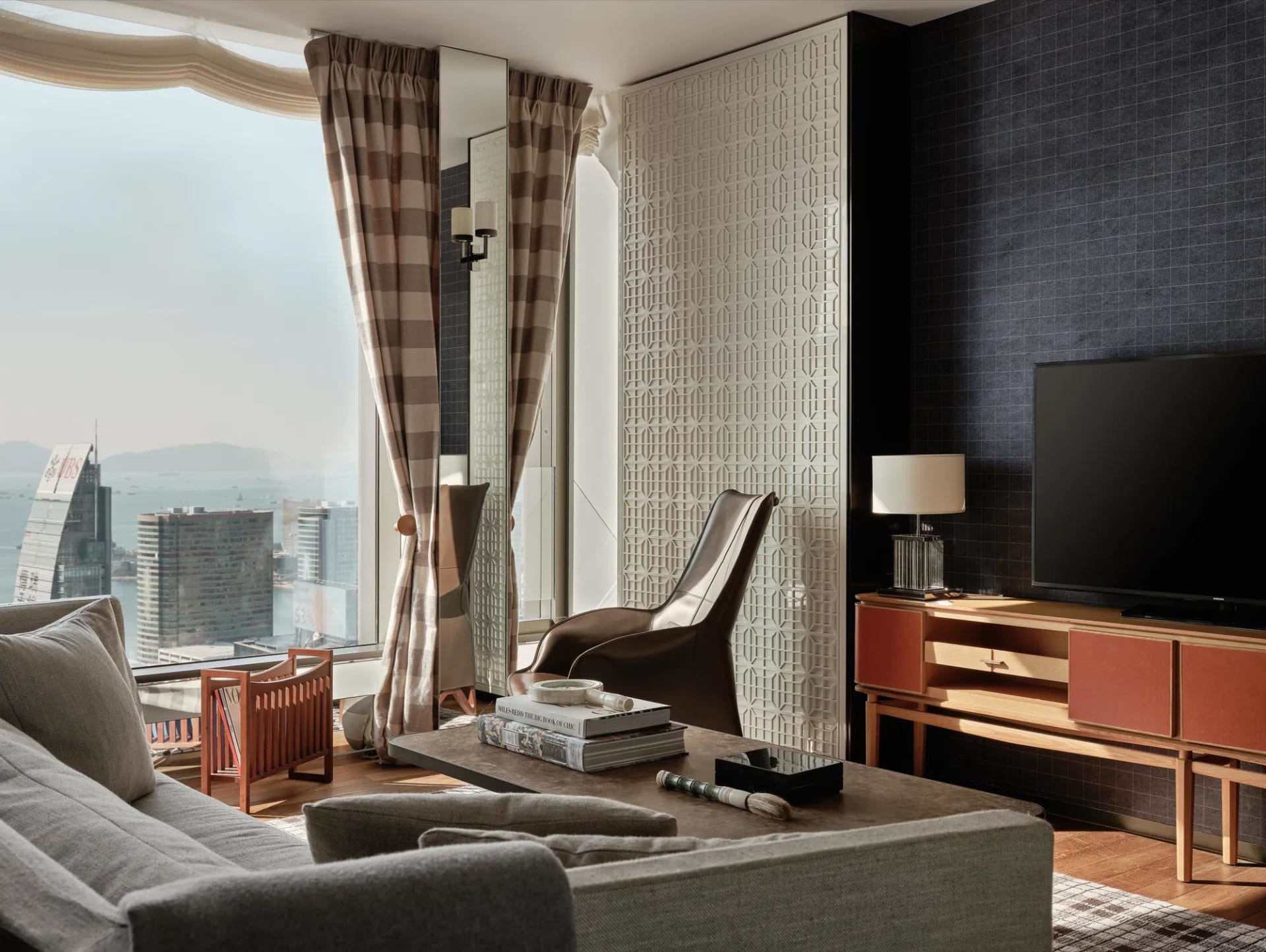
For an upscale stay, look to renowned hotels in Central, Admiralty, Tsim Sha Tsui or Island South, with views over Victoria Harbour or the South China Sea. Private transfers by chauffeured sedan, limousine or luxury van are easily arranged in advance, with personalised meet‑and‑greet after formalities. To organise bespoke experiences, rely on a palace‑level concierge or a specialist local agency for private tours, privileged access and coveted tables. Build in a considered balance of urban neighbourhoods, coastal hikes, days at sea and wellness breaks to help manage jet lag and the humid climate.
Best time to visit Hong Kong
Spring (March to May) and autumn (late October to early December) offer the most pleasant conditions, with moderate temperatures and more manageable humidity. Summer is hot, often heavy, with frequent rain and a risk of typhoons, which can disrupt outdoor activities and ferry services. Winter is mild, sometimes cool in the evening, with clearer skies ideal for city walks and harbour views, even if the sea is chilly for swimming. Factor in major local holidays, particularly Chinese New Year, which affect opening hours, drive up accommodation prices and crowd certain iconic sights.
Coasts and beaches
Beyond the skyline, Hong Kong reveals a jagged coastline of bays, coves and islets, accessible by taxi, private boat or helicopter. The Island South beaches, such as Repulse Bay or Deep Water Bay, combine well‑kept sand, upscale residences and polished beach clubs, especially pleasant on weekdays. Further out, Shek O and Big Wave Bay offer a more laid‑back setting, with coastal trails and sought‑after viewpoints, while Lantau and the outlying islands are home to more unspoilt coves. For a tailor‑made day on the water, you can charter a yacht with crew, fine dining on board and anchorages chosen according to the weather and your appetite for swimming.
Gastronomy
Hong Kong’s dining scene fuses classic Cantonese cuisine, regional Chinese influences and international restaurants, from traditional dim sum to cutting‑edge fine dining. The major hotels host decorated restaurants, sometimes led by chefs from Europe or Japan, with menus built around remarkably fresh seafood. In Central, Soho and Tsim Sha Tsui, contemporary bistros sit alongside izakayas, wine bars and hidden tables accessible by recommendation. For a fully tailored experience, plan ahead with early reservations, private tastings, Cantonese cooking classes or market visits hosted by a chef or local expert.
Culture
Once a British colony and now a Chinese special administrative region, Hong Kong cultivates a distinctive blend of Chinese traditions, British heritage and Asian cosmopolitanism. Revamped museums such as M+ and the Hong Kong Palace Museum in West Kowloon showcase collections of modern art, design and historical pieces in striking contemporary buildings. Neighbourhoods like Central, Sheung Wan and Wan Chai mix temples, restored shophouses, art galleries, concept stores and cocktail bars, ideal for private guided walks. Festivals, concerts and art fairs shape the cultural calendar, with major events around Art Basel, film and both Chinese and international performing arts.
Religion
The religious landscape reflects the coexistence of Buddhism, Taoism, Confucianism, Christianity and Chinese folk beliefs. Temples such as Man Mo in Sheung Wan or Wong Tai Sin in Kowloon welcome residents and visitors who come to burn incense and seek divination, within a codified atmosphere that calls for respect. On Lantau Island, the Tian Tan Big Buddha and Po Lin Monastery offer a more contemplative setting, especially popular at sunrise or sunset. In the central districts, Anglican and Catholic churches bear witness to the British era, some still hosting services and concerts open to the public.
Safety and travel advice
Natural disasters
The main natural risk in Hong Kong is typhoons and severe tropical depressions, particularly between June and September. Authorities operate a highly structured warning system, with numbered signals and clear instructions broadcast in real time via apps and local media. Torrential rain can trigger local flooding or landslides, leading to temporary closures of hiking trails, beaches and transport links. For a relaxed stay, it is advisable to monitor official forecasts, keep some flexibility in your plans and rely on your concierge or local agency if conditions change rapidly.
Crime and security
Hong Kong is generally considered a safe city, with a relatively low rate of violent crime for a metropolis of its size. The most common offences are snatch‑and‑grab theft and pickpocketing in very busy areas, markets and on public transport. It is wise to keep a low profile with jewellery, watches and luxury bags, particularly at night and on the liveliest streets. In the event of a demonstration or large gathering, it is preferable to adjust your movements, follow local news and opt for routes recommended by your hotel or private driver.
Traffic rules
Driving in Hong Kong is on the left, in line with its British legacy, which can be disorienting for continental Europeans used to driving on the right. The road network is dense and often congested, with toll tunnels and interchanges, making a private driver a better option than renting a car. Traffic laws are strictly enforced, with checks on speed, drink‑driving and parking, as well as firm rules for pedestrians. For transfers, official taxis, ride‑hailing services and chauffeured sedans are the most comfortable choices, complemented where needed by the MTR and ferries, which are punctual and well maintained.
Car theft
Car theft is not a major issue in Hong Kong, but high‑end vehicles do attract attention, especially in some open car parks. Luxury hotels and upscale residences offer monitored parking with cameras and controlled access, which should be prioritised for any valuable vehicle. If you use a chauffeured car or limousine service, the provider usually assumes responsibility for the vehicle’s security and insurance. For reasons of comfort and prudence, many discerning travellers choose not to drive themselves, thereby reducing their exposure to risks linked to traffic and parking.
Travel insurance
Robust travel insurance is strongly recommended, including medical care, medical evacuation, personal liability and cover for personal belongings. Private healthcare costs in Hong Kong can be high, particularly for specialist consultations or non‑urgent hospital stays. It is worth checking coverage limits and exclusions, especially for water sports, hiking on steep terrain or typhoons that could disrupt flights and cruises. High‑end travellers often opt for policies offering 24/7 multilingual assistance, direct billing with partner clinics and extensive trip cancellation or interruption options.