

Travel guide
Greece
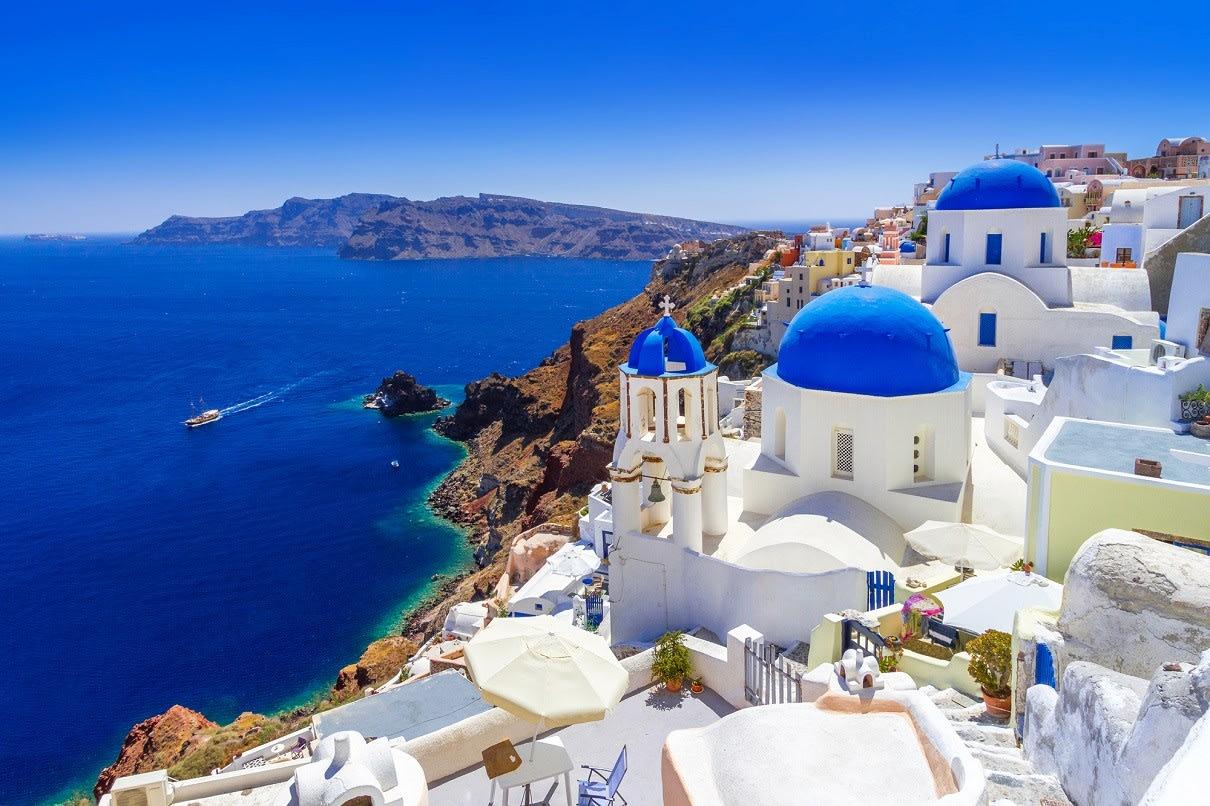
Explore the land of white-and-blue islands.
Suggested itineraries
Best time to go
Apr – Oct
GEOGRAPHY & WEATHER
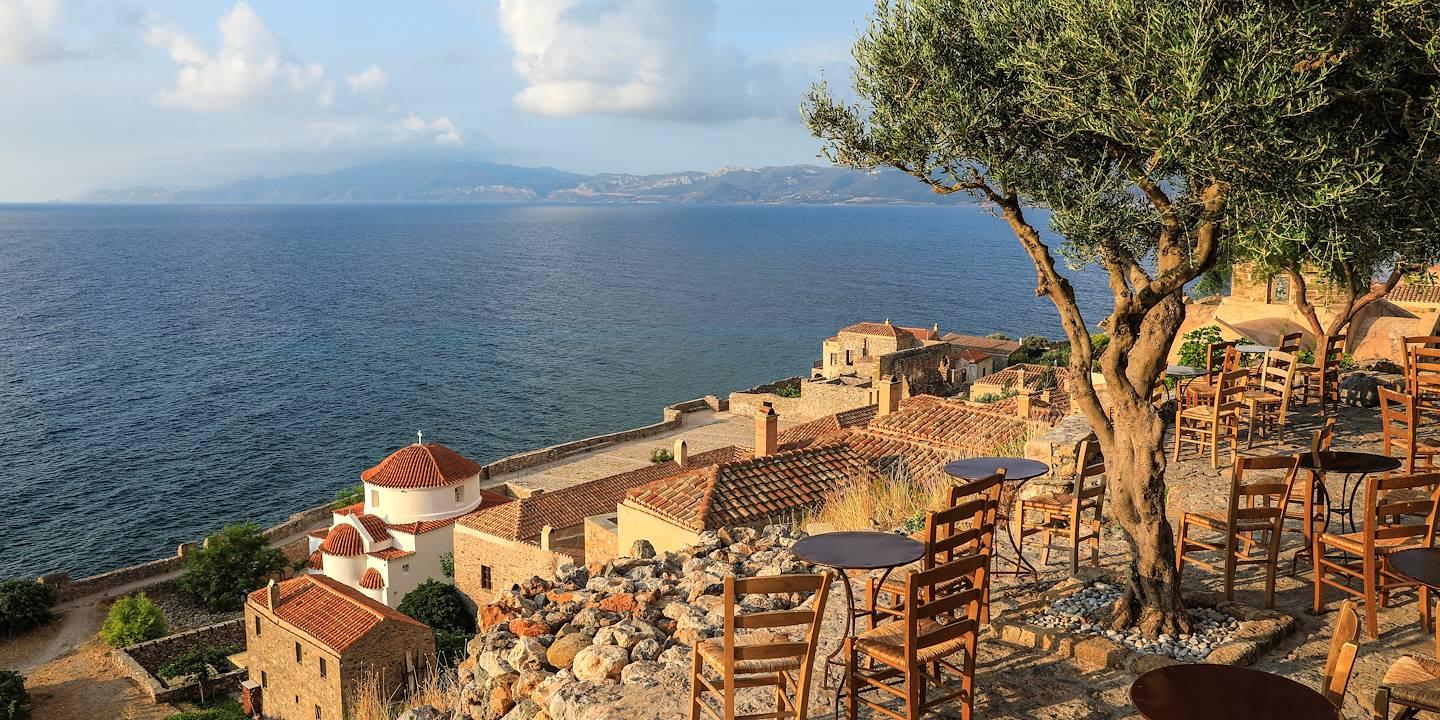
"Greece enjoys an ideal Mediterranean climate. April to June and September to October bring gentle, pleasant weather, away from the intense summer heat and peak crowds. The scorching summer light makes the landscapes dazzling, while autumn bathes the islands in golden tones."





FREQUENTLY ASKED QUESTIONS ABOUT GREECE
Greece offers outstanding archaeological heritage with the Acropolis and Delphi, Mediterranean islands with varied landscapes, refined gastronomy, and major historic sites. The Mediterranean climate and well-developed tourist infrastructure make exploring easy.
Greece offers good value for money. Popular coasts and islands (Santorini, Mykonos) are expensive, while the Peloponnese, inland Crete, and smaller islands offer moderate prices for accommodation, dining, and activities.
To travel to Greece, EU/EEA nationals only need a valid identity document. Citizens of other countries must check the specific requirements for their nationality with the relevant Greek authorities or consular services.
The official language of Greece is Modern Greek. It is spoken by the majority of the population and used in government, education, and the media. English is also widely understood in tourist areas.
Yes, travel insurance is recommended for Greece. It covers emergency medical expenses, flight cancellations, lost luggage, and repatriation. Make sure your policy includes your planned activities and check the specific conditions with your insurer.
Greece is generally considered safe for visitors. Major tourist centres and Athens offer a satisfactory level of security. A few standard precautions are advisable: avoid isolated areas at night and keep an eye on your belongings on public transport. Emergency services are accessible and reliable.
Greece mainly uses type C and F power sockets, with a voltage of 230 volts and a frequency of 50 Hz. Check that your devices are compatible and bring an adapter if needed.
People are drawn to Greece for its exceptional archaeological heritage, Mediterranean islands with diverse landscapes, and refined cuisine. The sunny climate, ancient history, vibrant cultural traditions, and warm hospitality are major highlights for visitors.
Complete Guide to Greece
Travelling to Greece
Greece is served by several international airports, including Athens, Thessaloniki and Heraklion. High-end travellers often opt for private transfers or helicopter flights to reach the islands. Private yachts are also a popular way to explore the Greek archipelago. Entry formalities are straightforward for citizens of the European Union.
How to plan your trip
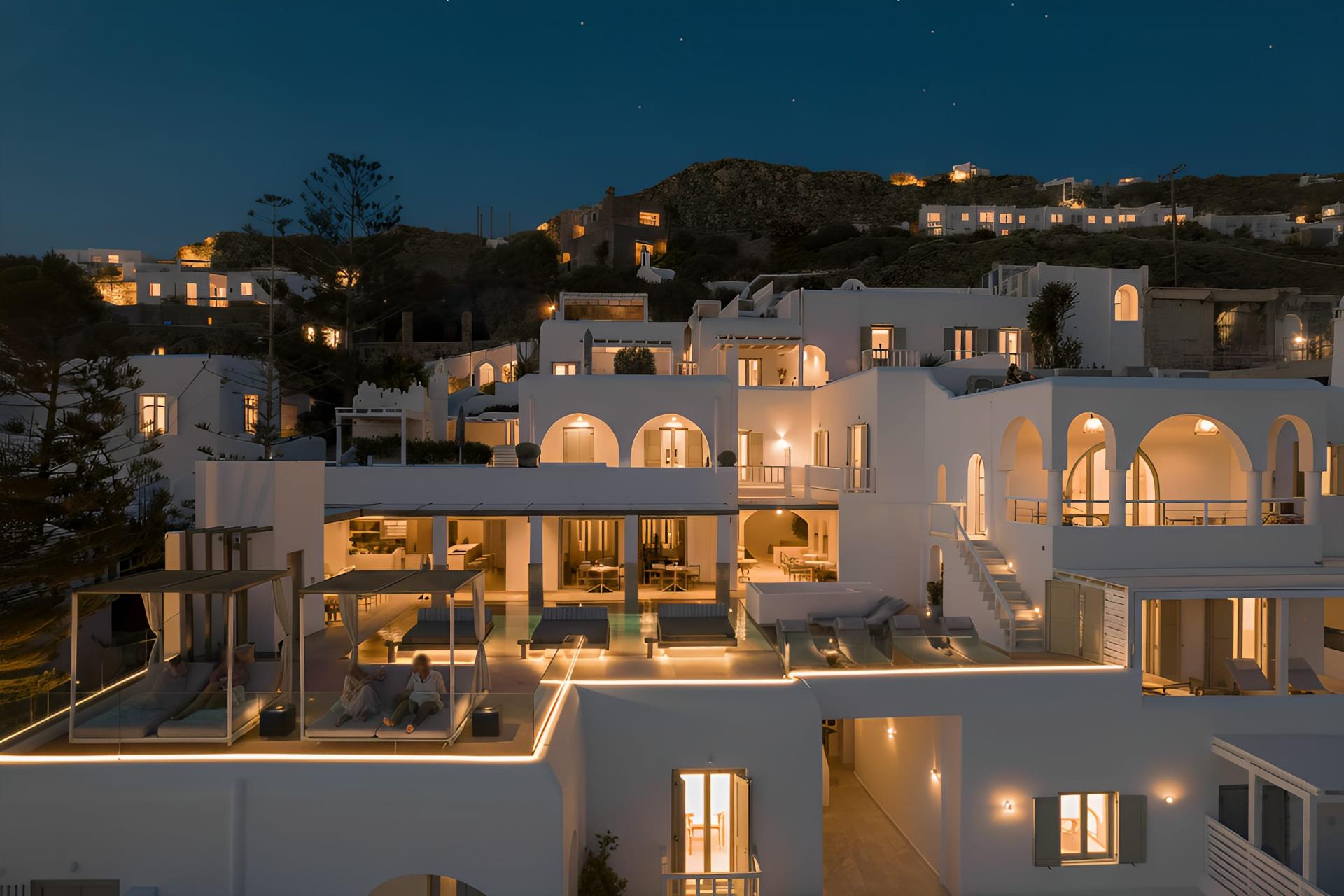
For an exclusive stay, it’s best to book 5-star hotels, private villas or luxury resorts well in advance, especially in high season. Specialist agencies can design bespoke itineraries featuring private tours of archaeological sites and distinctive gastronomic experiences. Private transfers and premium car rentals make it easy to move between regions. Concierge services are invaluable for arranging personalised experiences.
Best time to visit Greece
The ideal period runs from May to October, with a pleasant Mediterranean climate and little rainfall. July and August are the busiest months, especially in headline destinations such as Mykonos and Santorini. For a quieter experience, consider spring or autumn, when temperatures remain mild. Some islands and luxury hotels close in winter, so it’s important to check availability.
Coasts and beaches
Greece offers a wide variety of beaches, from secluded coves to private stretches of sand accessible from exclusive resorts. The Cyclades islands, such as Paros and Mykonos, are renowned for their crystal-clear waters and upscale beach clubs. Along the Aegean coast, some hotels feature private jetties and personalised seaside services. Sailing enthusiasts can explore hidden bays aboard luxury yachts.
Gastronomy
Greek cuisine showcases local produce, olive oil, seafood and regional wines. Several Michelin-starred restaurants and acclaimed chefs offer tasting menus inspired by Hellenic traditions. Exclusive culinary experiences include private dinners in villas or on the beach, as well as workshops with local chefs. Authentic markets and tavernas provide insight into the country’s rich gastronomic heritage.
Culture
Greece has an outstanding cultural heritage, with UNESCO World Heritage sites such as the Acropolis in Athens and the sanctuary of Delphi. Private tours of museums and monuments can be arranged for a more in-depth exploration. Summer festivals, notably in Epidaurus and Athens, feature theatre and music performances in historic venues. Contemporary art is also well represented in galleries in Athens and on the major islands.
Religion
The Orthodox faith plays a central role in Greek society, and there are numerous monasteries and Byzantine churches to visit. Some monasteries, such as those at Meteora, offer private guided tours. Religious festivals punctuate the calendar and provide an opportunity to witness traditional celebrations. Visitors are expected to respect local customs when entering places of worship.
Safety and travel tips
Natural disasters
Greece is exposed to seismic risk, mainly in the south and on the islands. Forest fires can occur in summer, particularly in wooded areas and on some islands. Travellers should follow the instructions issued by local authorities in the event of an alert. High-end tourist infrastructures are generally well prepared for such situations.
Crime and safety
Crime rates in Greece remain low, especially in tourist areas and luxury properties. Pickpockets can, however, operate in very crowded places, particularly in Athens. High-end hotels and resorts maintain enhanced security measures. It is advisable to keep valuables in a secure place.
Traffic regulations
In Greece, driving is on the right, and the road network is generally well maintained, especially in tourist regions. Mountain roads and routes on some islands can feature tight bends and narrow access points. Renting a high-end vehicle with a driver is a comfortable and safe option. Seat belts are compulsory.
Car theft
Car theft is rare, especially for luxury rental vehicles or those with a driver. It is still recommended to use supervised car parks and avoid leaving visible items inside the vehicle. Premium rental agencies often include comprehensive insurance and 24/7 assistance.
Travel insurance
Travel insurance covering medical care, cancellations and incidents linked to natural disasters is strongly recommended. High-end properties may sometimes request proof of insurance for certain exclusive activities. Check that your policy covers water sports or private excursions if you plan to include these experiences.