

Travel guide
Germany
Uncover the land of beer and characterful cities.
Suggested itineraries
Best time to go
Apr – Oct

Explore by region
Search in Germany
THE BEST PLACES TO VISIT IN GERMANY

GEOGRAPHY & WEATHER
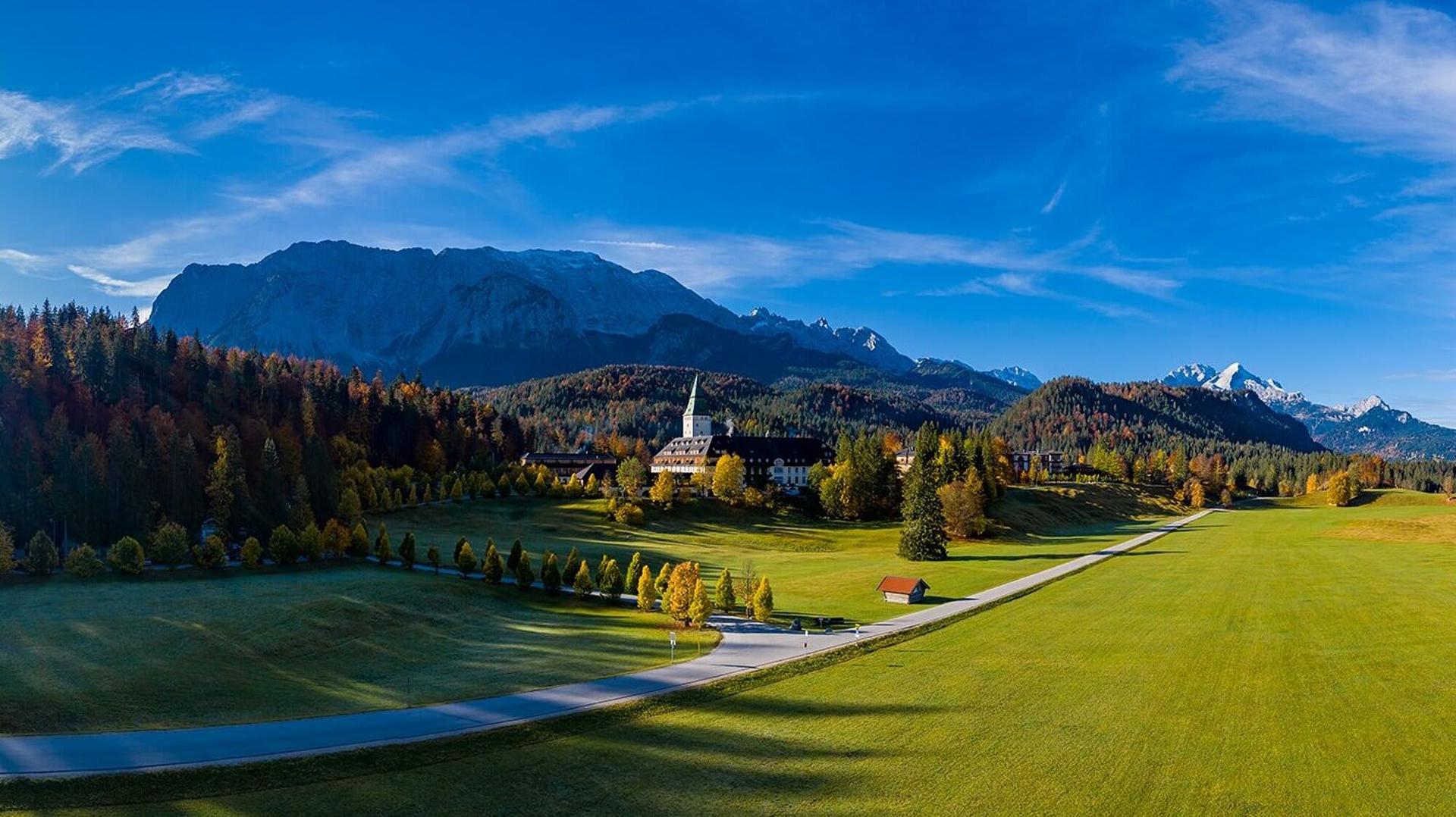
"Germany has a temperate continental climate, with cold winters and mild summers. Spring (Apr–May) and autumn (Sep–Oct) bring pleasant temperatures and especially beautiful landscapes. Summer is the busiest period, while December turns the cities into magical Christmas markets."


BAVARIA

Hotel Maximilians: Three Centuries of Grandeur on Augsburg’s Maximilianstraße
Augsburg

Villa Sonnenhof Boutique-Hotel: a tranquil retreat above Bad Reichenhall
Bad Reichenhall

Hotel Bayerischer Hof: Munich’s Grand Dame of Hospitality
Munich

Alpenhof Murnau: A Peaceful Hideaway in the Bavarian Alps
Murnau am Staffelsee


ALPS


FREQUENTLY ASKED QUESTIONS ABOUT GERMANY
Germany offers exceptional historical depth, from medieval castles to world‑class museums. Its cities blend historic architecture with bold modern design, while wine regions and Bavaria showcase strikingly varied landscapes. Local cuisine and a full calendar of cultural festivals round out the experience.
Germany offers good value for money. Major cities like Berlin and Munich are moderately priced, while rural regions and smaller towns tend to be more affordable for both accommodation and dining.
To travel to Germany, EU/EEA nationals only need a valid identity document. Citizens of other countries must check the specific entry requirements for their nationality with the relevant German authorities or consulate.
German is the official language of Germany and the mother tongue of around 95% of the population. English is also widely spoken, especially in urban areas and key tourist zones.
Travel insurance is not legally mandatory in Germany, but it is highly recommended to cover emergency medical costs, trip cancellation and repatriation. Within the European Union, travellers should have at least basic health coverage via the European Health Insurance Card.
Germany is regarded as very safe and ranks among the safest countries in Europe, with a low crime rate. Large cities such as Berlin, Munich and Frankfurt benefit from efficient policing and solid security infrastructure. Risks for visitors are minimal when normal precautions are observed.
Germany mainly uses type F power sockets, with a voltage of 230 volts and a frequency of 50 hertz. Type C plugs are also compatible with German wall sockets. An adapter may be required depending on the origin of your devices.
Travellers are drawn to Germany for its outstanding historic and architectural heritage, vibrant cities such as Berlin and Munich, renowned gastronomy and landscapes that range from the Alps to the Baltic coasts. Excellent infrastructure and a rich cultural life are major parts of the appeal.
Complete Guide to Germany
Travelling to Germany
Germany is served by several major international airports, including Frankfurt, Munich and Berlin, with direct connections to many world capitals. Premium travellers can make use of VIP services at these airports, from private lounges to personalised transfers. The high-speed ICE rail network links key cities efficiently, while limousine services and luxury car rentals are available for more exclusive journeys.
How to plan your trip
For an upscale stay, it’s wise to book 5-star hotels, city resorts or private villas well in advance, especially in major cities and wine regions. Specialist agencies can create bespoke itineraries that include private museum tours, dining in Michelin-starred restaurants and access to exclusive cultural events. Plan your transfers and activities ahead of time to ensure a seamless, highly personalised experience.
Best time to visit Germany
The best time to visit Germany runs from May to September, when the weather is mild and ideal for outdoor activities. Autumn, especially September and October, is prized for the grape harvest and gourmet festivals. Winter draws visitors with its Christmas markets and high-end ski resorts in the Bavarian Alps.
Coasts and beaches
Germany has coastlines on both the North Sea and the Baltic Sea, with renowned seaside resorts such as Sylt and Usedom. These destinations offer luxury hotels, exclusive spas and private seafront villas. The beaches are well equipped and perfectly suited to low-key, crowd-free relaxation.
Gastronomy
Germany’s culinary scene is thriving, with numerous Michelin-starred restaurants in Berlin, Munich and Hamburg. Travellers can reserve tables at acclaimed establishments or book private culinary experiences, such as wine tastings in the Rhine Valley or workshops with renowned chefs. Regional specialities, from Bavarian cuisine to fine patisserie, are best discovered in refined settings.
Culture
Germany is a major cultural hub, home to world-class museums, opera houses and contemporary art galleries. Private tours of Munich’s Pinakothek museums or Berlin’s Museum Island can be arranged on request. Classical music festivals, such as those in Bayreuth and Salzburg (just across the border), attract a discerning audience.
Religion
Germany is predominantly Christian, with a mix of Protestant and Catholic regions. Many religious landmarks, such as Cologne Cathedral or the Frauenkirche in Dresden, are open to visitors and sometimes host private concerts. Respect for places of worship and local traditions is recommended.
Safety and travel advice
Natural disasters
Germany is generally little affected by major natural disasters. However, flooding can occur in certain regions, particularly in spring and summer. It is advisable to stay informed about weather conditions when travelling in at-risk areas.
Crime and security
Crime rates in Germany are low, especially in residential districts and upscale tourist areas. It is still sensible to remain alert in large cities, particularly in train stations and crowded locations. Luxury hotel concierge desks can offer tailored advice on local safety.
Traffic regulations
Driving in Germany is known for its discipline, with sections of the Autobahn motorway network having no fixed speed limit. Road rules are strictly enforced, and it is recommended to rent high-end vehicles from reputable providers. Private chauffeur services are also available for added comfort and safety.
Car theft
Car theft is relatively rare, especially for vehicles parked in secure hotel or private residence garages. Use monitored parking facilities and avoid leaving valuables inside the car. Dedicated insurance for luxury vehicles is recommended.
Travel insurance
Comprehensive travel insurance is strongly advised, including medical cover, trip cancellation and protection for valuable belongings. Some high-end properties provide assistance and concierge services to help manage any unforeseen events. Check that your policy covers the exclusive activities you plan to enjoy during your stay.