

Travel guide
France
Set off to explore the land of cheese.
Suggested itineraries
Best time to go
May – Sept

Explore by region
Search in France
THE BEST PLACES TO VISIT IN FRANCE


GEOGRAPHY & WEATHER
"France enjoys a temperate climate, oceanic or Mediterranean depending on the region. Summer (Jun–Sept) brings warm, sunny days, while spring (Apr–May) and autumn (Sept–Oct) charm visitors with mild temperatures and glowing landscapes. Winter reveals a more intimate mood, especially magical in the mountains. May and September are ideal, combining pleasant weather with fewer crowds."


FRENCH ALPS
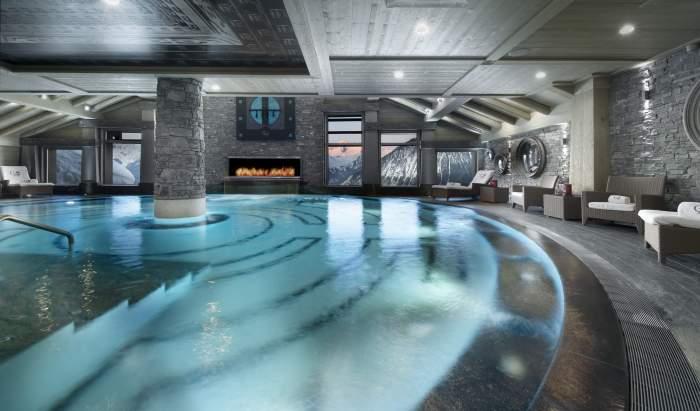
Le K2 Palace: an insider’s Alpine hideaway on the slopes of Courchevel
Courchevel
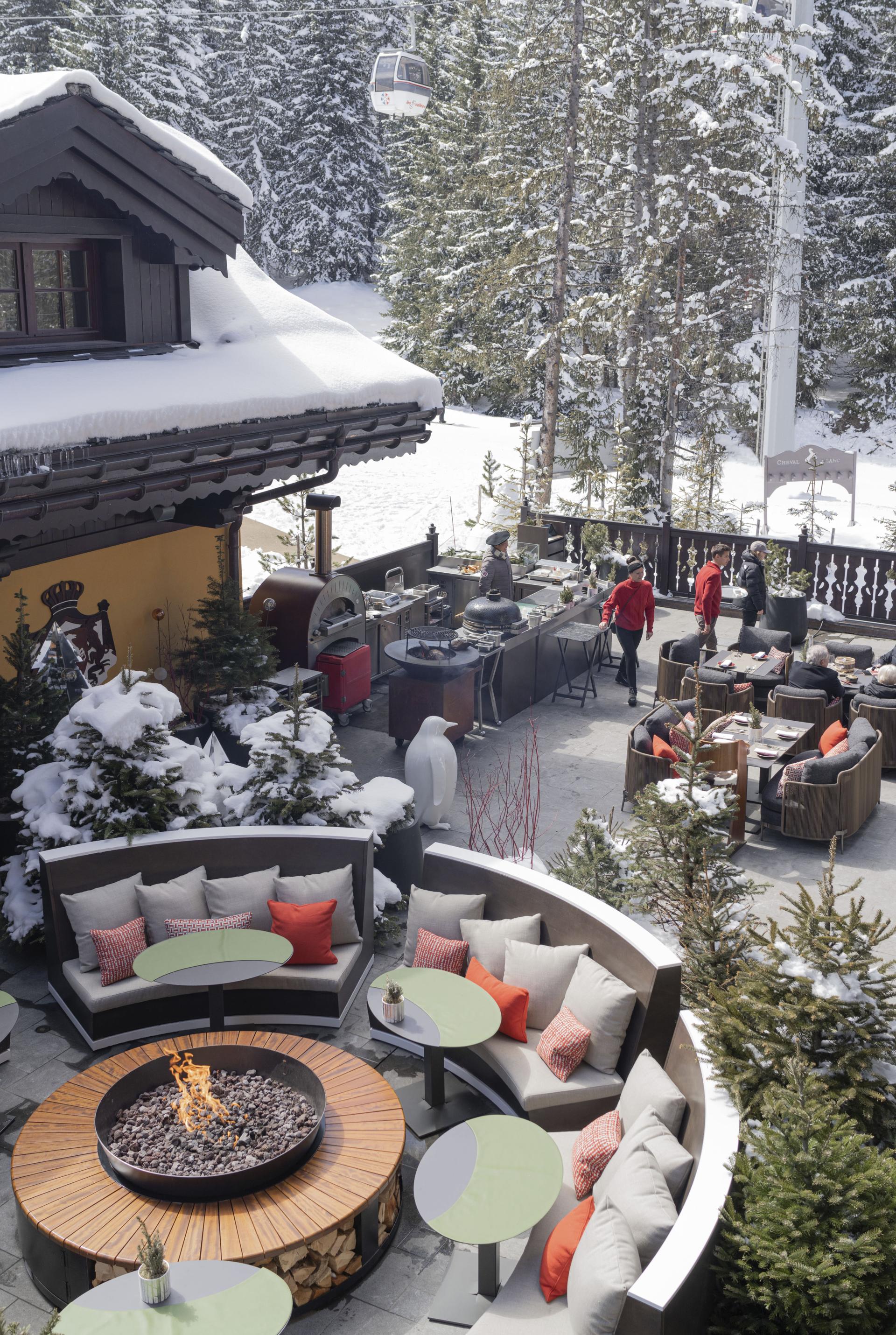
Cheval Blanc Courchevel: Art‑Led Chalet Living, Peak‑Level Skiing and Cocooning Calm
Courchevel

L’Apogée Courchevel: Peak Indulgence in the Jardin Alpin
Courchevel

Les Airelles Courchevel: An Austro‑Hungarian Fantasy in the French Alps
Courchevel
PROVENCE
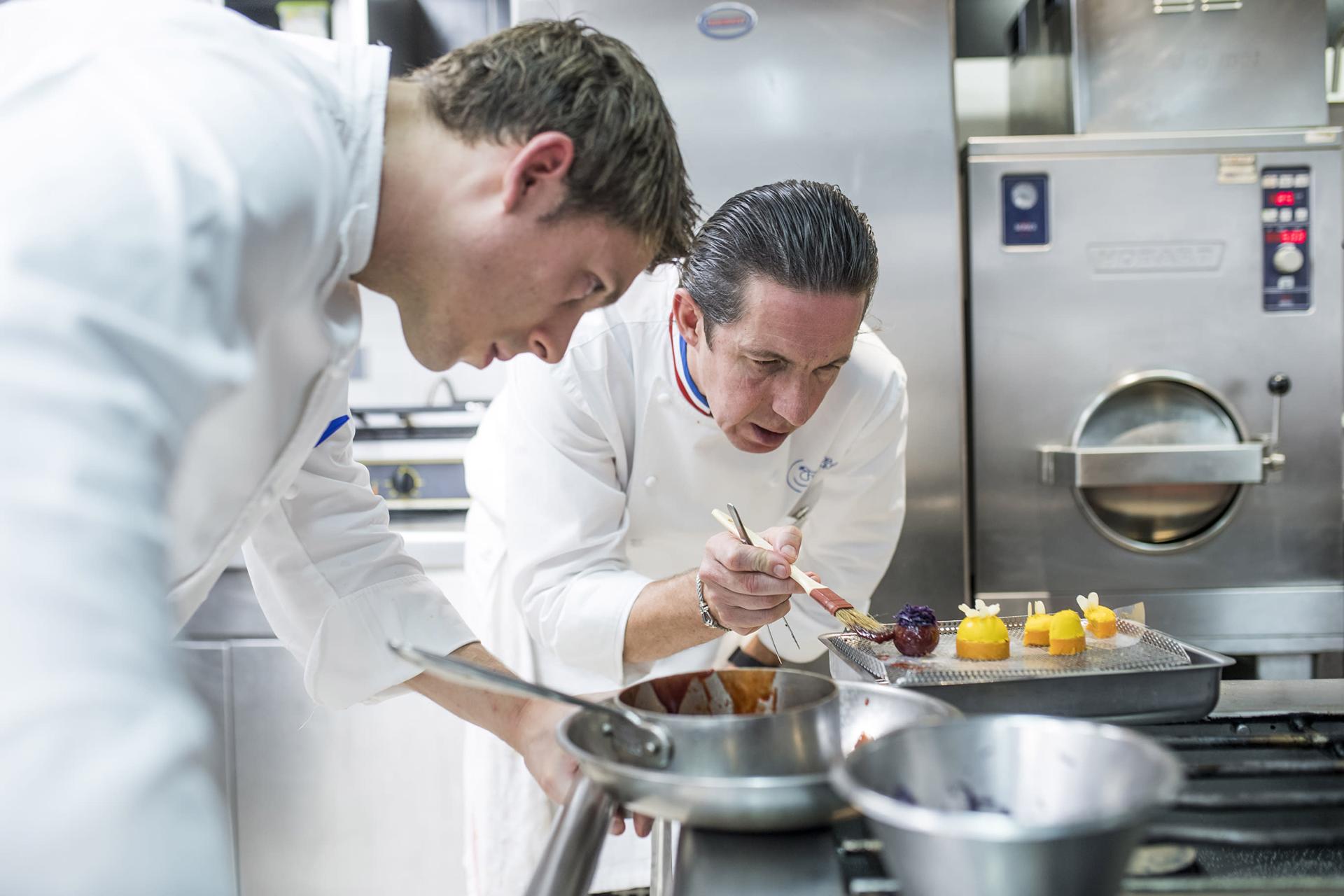
Hôtel & Spa du Castellet: a hedonist’s hideaway between pine forest and racetrack glamour
Le Castellet

Villa Cassis: A Historic Seaside Hideaway on the Côte d’Azur
Cassis

Four Dream Mas for a Luxurious Provençal Escape
null

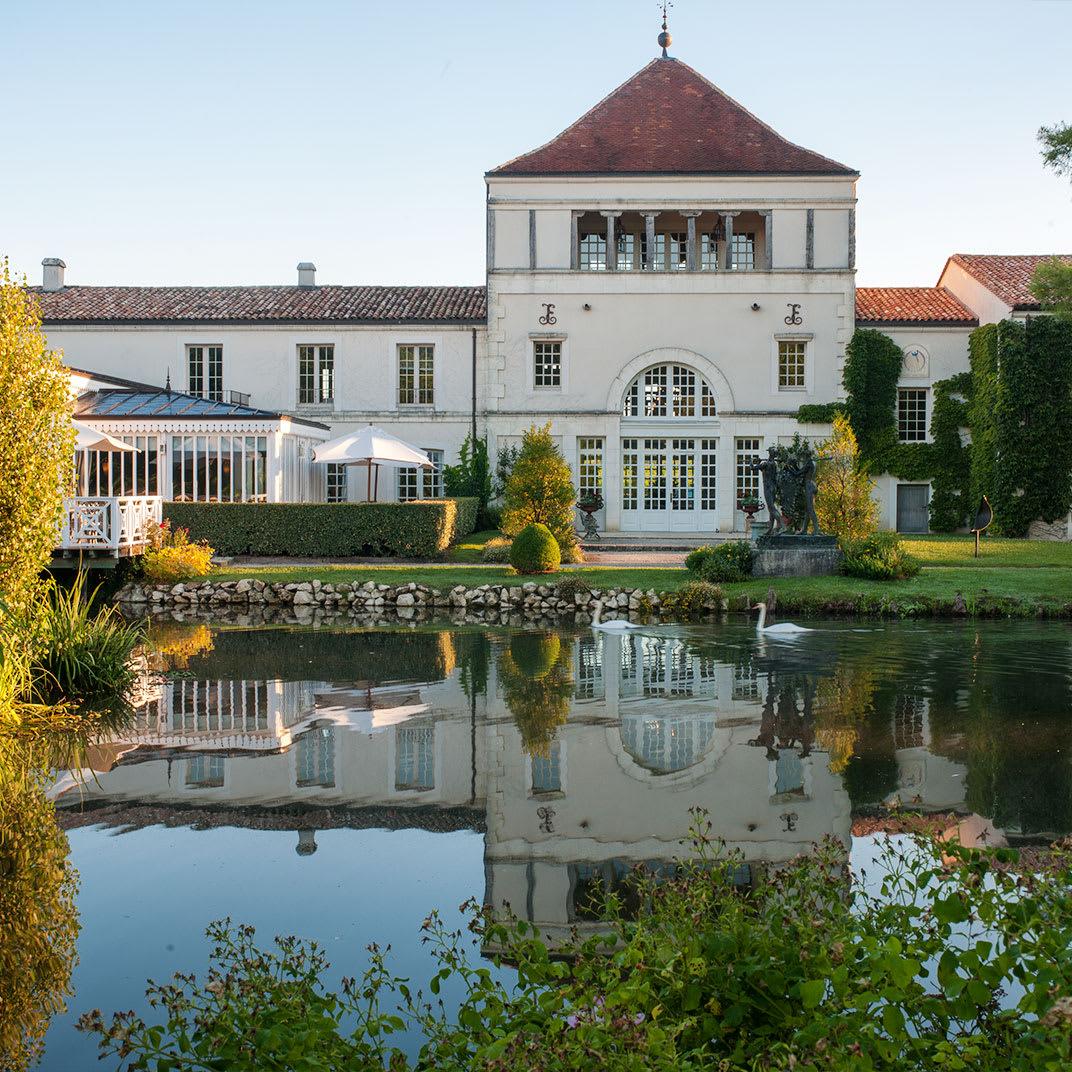
Le Mas des Poiriers: A Storybook Provençal Estate on a Rhône Island Near Avignon
Avignon




FREQUENTLY ASKED QUESTIONS ABOUT FRANCE
France offers remarkable richness: world‑famous architecture, leading museums, refined gastronomy, prestigious vineyards and varied landscapes. Paris, the French Riviera and the Loire Valley châteaux are standout destinations. Well‑developed tourism infrastructure and easy access make getting around straightforward.
France spans a wide range of prices depending on region and season. Paris and the French Riviera are expensive, while rural areas and smaller cities tend to be more affordable. Overall costs depend largely on your accommodation and dining choices.
Citizens of the European Union do not need a visa to enter France. Travellers from other countries must check entry requirements with the French consular authorities for their nationality, as rules vary according to bilateral agreements.
The official language of France is French. It is the mother tongue of most of the population and the language used in government, education and the media. Regional minorities also speak Breton, Occitan and Catalan.
Travel insurance is not legally mandatory for visiting France, but it is strongly recommended to cover emergency medical care, trip cancellation, lost luggage and repatriation. Check what protection you already have before you go.
France is generally considered safe. Major cities such as Paris have moderate crime levels, focused in certain districts. Tourist areas and rural regions are usually very secure. Standard precautions and vigilance are advised.
France uses type C and E power outlets, with a voltage of 230 volts and a frequency of 50 hertz. Two‑round‑pin plugs are standard. Travellers from countries with different systems may need an adapter.
People are drawn to France for its cultural wealth: world‑renowned museums, historic architecture and fine cuisine. Its varied scenery, from the Mediterranean coast to the Alps, offers great diversity. Paris remains a major artistic hub, and the country’s well‑developed tourist infrastructure makes exploring easy.
Complete Guide to France
Travelling to France
France is served by several major international airports, including Paris–Charles de Gaulle, Nice–Côte d’Azur and Lyon–Saint-Exupéry. Private transfers, helicopter services and concierge arrangements are available to reach leading hotels and resorts. The high-speed rail network (TGV) connects key cities and major leisure destinations efficiently. Travellers can also opt for luxury car rentals or chauffeured transfers.
How to plan your trip
It is advisable to book accommodation and exclusive experiences several months ahead, especially in peak season. Five-star hotels, private villas and high-end resorts offer tailored services, often accessed through specialist agencies. For cultural or gastronomic visits, advance reservations for private guides or tables at Michelin-starred restaurants are recommended. Entry formalities for European Union nationals are straightforward, but a valid passport or national ID card is required.
Best time to visit France
Spring (April to June) and autumn (September to October) bring pleasant weather and fewer people at major landmarks. Summer draws many visitors to the Riviera and Provence, while winter is ideal for luxury ski resorts in the Alps. Certain regions, such as Burgundy or Champagne, are particularly sought after during the grape harvest. Cultural events and festivals punctuate the calendar, especially in Paris, Cannes and Avignon.
Coasts and beaches
The French Riviera is known for its private beaches, luxury hotels and exclusive clubs in Saint-Tropez, Cannes and Monaco. Corsica offers unspoilt coves and villas with direct sea access. On the Atlantic coast, Biarritz and Arcachon appeal with upscale resorts and stylish beaches. Private yacht services and bespoke water sports experiences are widely available.
Gastronomy
France is a global benchmark for gastronomy, with numerous Michelin-starred restaurants in Paris, Lyon and along the Riviera. Culinary experiences range from private dinners with acclaimed chefs to wine tastings in châteaux and hands-on cooking classes. Local markets and intimate guest tables showcase the diversity of regional produce. Reservations at the most sought-after establishments should be made well in advance.
Culture
France boasts outstanding cultural heritage, from Parisian museums such as the Louvre and the Musée d’Orsay to the châteaux of the Loire Valley. Private and after-hours tours of historic monuments are available at many sites. Music, art and film festivals attract a discerning international audience. Art galleries and couture houses offer exclusive, by-appointment experiences.
Religion
France is a secular country, yet its religious heritage is rich, with notable Gothic cathedrals, abbeys and chapels. Guided tours of Notre-Dame de Paris, Mont-Saint-Michel and the Basilica of Vézelay are highly popular. Major religious holidays can affect visitor numbers at certain sites. Respect for places of worship and local traditions is recommended.
Safety and travel advice
Natural disasters
France can experience flooding, storms and, in some regions, summer wildfires. In the Alps there is a risk of avalanches in winter. It is advisable to follow local authority guidance and check weather conditions before travelling. High-end properties are generally well prepared to manage such situations.
Crime and security
Crime levels are moderate, but pickpockets operate in large cities and busy tourist areas. Tourist districts in Paris, Marseille and Nice require particular vigilance. Luxury hotels and resorts are equipped with enhanced security measures. It is recommended not to display valuables and to use in-room safes.
Road rules
Driving is on the right, and the road network is of good quality, with many toll motorways. Speed limits are strictly enforced, notably by automatic cameras. Prestige car hire services often include chauffeur options. Parking in city centres can be challenging, but high-end hotels typically provide valet parking.
Car theft
Car theft is uncommon but can occur, particularly in large urban areas or public car parks. It is advisable to use secure parking facilities and not to leave anything visible inside the vehicle. Luxury rental cars are often equipped with tracking systems and alarms. Dedicated insurance cover generally includes this type of risk.
Travel insurance
Comprehensive travel insurance is strongly recommended, including medical cover, trip cancellation and baggage loss. High-end establishments may sometimes request proof of insurance for certain exclusive activities. Medical care is of high quality but can be expensive for non-residents. It is advisable to review coverage and exclusions before departure.