
Travel guide
Canada
Set off to explore the land of Niagara Falls.
Suggested itineraries
Best time to go
Jun – Sept
Explore by region
Coming soon...
Search in Canada
THE BEST PLACES TO VISIT IN CANADA
GEOGRAPHY & WEATHER
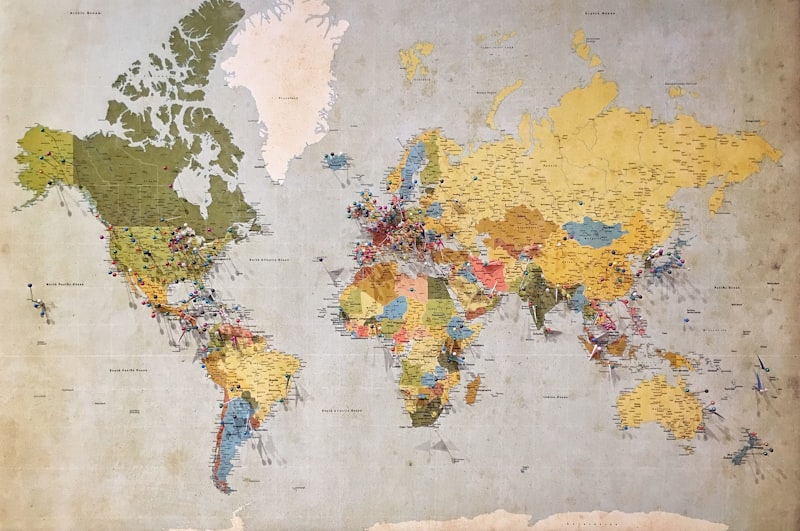
"Canada brings harsh winters and mild summers. Autumn (September–October) enchants with blazing colours, while summer (June–August) invites you to explore the great outdoors. In winter, the landscapes turn into a white wonderland, perfect for snow‑sports enthusiasts."


FREQUENTLY ASKED QUESTIONS ABOUT CANADA
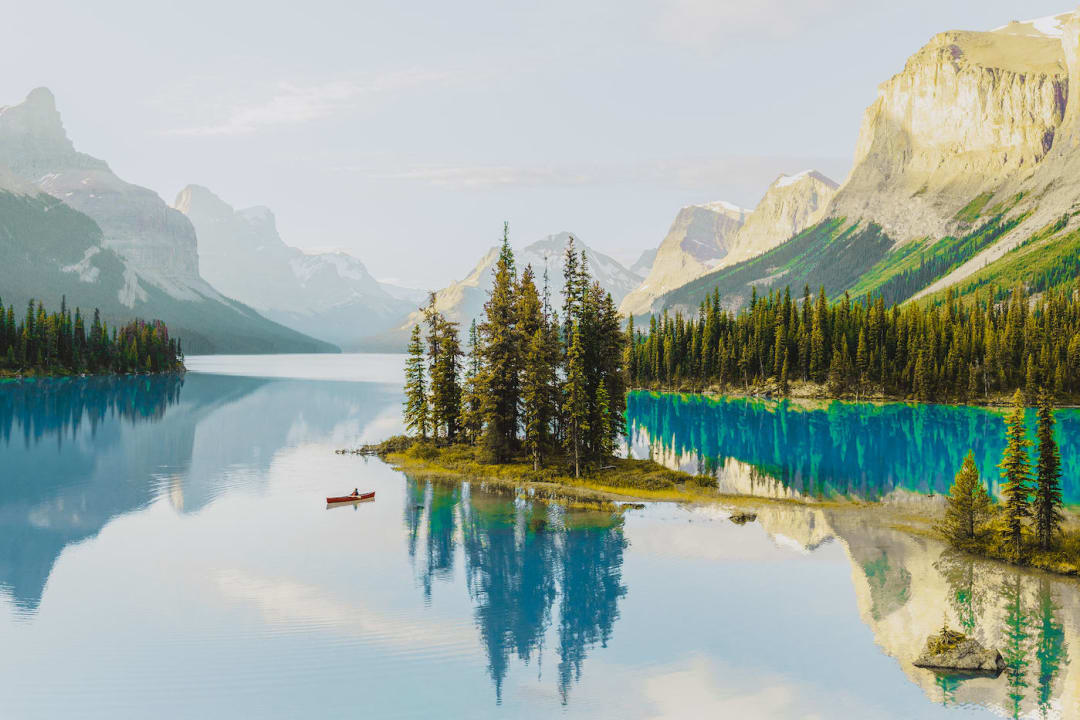
Canada offers outstanding scenery: the Canadian Rockies, Niagara Falls, and glacial lakes. It also has rich cultural diversity, cosmopolitan cities such as Vancouver and Montreal, and a wide range of nature experiences that change with the seasons.
Canada spans a wide range of prices depending on region and season. Major cities like Toronto and Vancouver are expensive, while rural areas and off‑peak periods tend to be more affordable. Accommodation and dining costs are generally moderate compared with other North American destinations.
Citizens of many countries do not need a visa for Canada, but instead an Electronic Travel Authorization (eTA). French nationals, for example, can enter without a visa for tourist stays of up to six months. Requirements vary according to your nationality.
Canada’s main languages are English and French. French is the official language in Quebec and is also an official language at the federal level. English predominates in the other provinces. Many other languages are spoken within immigrant communities.
Travel insurance is not legally mandatory in Canada. However, it is strongly recommended to cover emergency medical costs, which can be very high for foreign visitors. Check what your existing health coverage includes before you go.
Canada is generally considered a safe country. Large urban centres such as Toronto, Vancouver and Montreal offer safety levels comparable to other developed nations. Rural and northern regions pose specific challenges related to climate and remoteness rather than crime.
Canada mainly uses type A and B power outlets, with a standard voltage of 120 volts and a frequency of 60 hertz. You should bring an adapter if your devices are not compatible with these plug types.
Visitors are drawn to Canada’s spectacular landscapes: the Rocky Mountains, Niagara Falls and crystal‑clear lakes. Its cosmopolitan cities offer rich culture and diverse cuisine. Political stability, quality of life and easy access to both winter and summer outdoor activities are major attractions.
Complete Guide to Canada
Traveling to Canada
Canada is served by several major international hubs, including Toronto Pearson, Vancouver and Montréal–Trudeau. Premium travelers have access to VIP lounges, concierge services and private transfers in most large airports. Entry formalities often include an Electronic Travel Authorization (eTA) for nationals of many countries. Domestic connections are provided by airlines offering business class cabins and tailored services.
How to plan your trip
For an exclusive stay, it is advisable to book 5-star hotels, mountain resorts or private villas well in advance, especially in the Rockies or Whistler. Specialist agencies can arrange bespoke experiences, from helicopter flights to wildlife-viewing safaris. Travel between provinces is made easy by a dense air network and high-end car rental services. Pack clothing suited to the season and to the country’s wide-ranging climate.
Best time to visit Canada
The best time to go depends on where you are heading and what you want to do. Summer (June to September) is ideal for exploring national parks, lakes and cities, while winter (December to March) draws skiers and snow-sports enthusiasts to prestigious resorts such as Banff and Mont-Tremblant. Spring and autumn offer spectacular landscapes, particularly during the fall foliage in October. Major cultural events, including the Montréal Jazz Festival and the Calgary Stampede, punctuate the year.
Coasts and beaches
Canada’s coastline stretches from British Columbia to Nova Scotia, with strikingly varied scenery. The beaches of Prince Edward Island and the Bay of Fundy appeal for their tranquility and unspoiled setting. On the west coast, Tofino is known for its luxury oceanfront resorts and surfing or whale-watching experiences. In Québec, lakeside beaches such as those on Lake Memphrémagog provide secluded nature escapes.
Gastronomy
Canada’s dining scene is defined by its diversity and high standards, with numerous acclaimed restaurants and renowned chefs. Montréal and Toronto showcase inventive cuisine that blends local and international influences. Regional specialties such as Atlantic lobster, Alberta beef and maple syrup feature prominently in upscale establishments. Private culinary experiences, from maple sugar shack dinners to wine tastings in British Columbia, are highly sought after.
Culture
Canada stands out for its rich cultural mosaic, rooted in Indigenous, French and British heritages. National museums, art galleries and festivals highlight this diversity, particularly in Ottawa, Montréal and Vancouver. Art lovers can visit private collections or join exclusive guided tours. Music and theater scenes are especially vibrant in the major cities.
Religion
Canada is a secular country where freedom of religion is protected. The main faiths practiced include Christianity, Islam, Judaism, Buddhism and Hinduism. Large cities are home to places of worship that welcome visitors, and some historic sites, such as Montréal’s Notre-Dame Basilica, offer guided tours. Religious holidays are observed with respect for cultural diversity.
Safety and travel tips
Natural disasters
Canada can experience natural hazards such as winter storms, spring flooding and, in the west, wildfires or earthquakes. It is advisable to check local weather alerts and follow the guidance of authorities in the event of a major incident. High-end tourism infrastructure is generally well prepared for these situations.
Crime and security
Canada is regarded as one of the safest countries in the world, with low crime rates. In large cities, you should nonetheless stay alert to pickpocketing, especially in busy tourist areas. Residential neighborhoods and natural sites are known for their calm. Security teams in luxury hotels and resorts provide discreet, efficient surveillance.
Driving regulations
In Canada, driving is on the right and traffic rules are strictly enforced. Speed limits vary by province and are clearly posted. Roads are generally in good condition, but you will need special equipment in winter, particularly in mountainous regions. Luxury car rental services offer vehicles suited to all weather conditions.
Car theft
Car theft is uncommon, but it is recommended not to leave valuables inside vehicles, especially in public parking areas. Luxury hotels and resorts often provide secure parking or valet services. Using anti-theft systems and additional insurance cover is advisable for extra peace of mind.
Travel insurance
Comprehensive travel insurance is strongly recommended to cover medical expenses, cancellations or incidents linked to sporting activities. High-end establishments sometimes require proof of insurance for certain exclusive experiences. It is wise to check specific coverage for winter sports or stays in remote regions.