

Travel guide
Austria
Discover the land of the waltz.
Suggested itineraries
Best time to go
May – Sept

Explore by region
Search in Austria
THE BEST PLACES TO VISIT IN AUSTRIA



GEOGRAPHY & WEATHER
"Austria enjoys a temperate continental climate with four clearly defined seasons. Summer (Jun–Aug) brings warm days ideal for exploring the Alps, while autumn bathes the landscapes in golden tones. Winter turns the country into a white wonderland, perfect for ski lovers and enchanting Christmas markets. Spring gently brings the valleys back to life."


FREQUENTLY ASKED QUESTIONS ABOUT AUSTRIA
Austria showcases outstanding Baroque architecture, especially in Vienna and Salzburg. The Alps offer spectacular mountain scenery and seasonal outdoor activities. The country also has a rich musical and cultural tradition, with world‑renowned museums and prestigious festivals.
Austria offers good value for money. Accommodation and dining costs are moderate compared with other European destinations. Vienna and Salzburg are pricier than rural regions, while public transport remains reasonably affordable.
No, if you are a citizen of the EU, EEA or Switzerland, you do not need a visa for Austria. Nationals of other countries must check the specific requirements with the Austrian authorities according to their nationality.
The official language in Austria is German. It is Austrian German, a regional variety with its own phonetic and lexical characteristics. English is widely spoken in tourist areas and major cities.
Travel insurance is not mandatory in Austria. However, medical coverage is recommended, especially for non‑European visitors. Third‑party liability insurance is required when renting a car. Check your existing cover before departure.
Austria is among the safest countries in Europe, with a very low crime rate. Vienna and the main tourist destinations offer a secure environment. Standard travel precautions still apply, particularly in densely populated urban areas.
Austria mainly uses type F power sockets, with a voltage of 230 volts and a frequency of 50 Hz. Type C plugs are also compatible. You may need an adapter depending on the plug type used in your home country.
Austria captivates visitors with its spectacular Alpine landscapes, rich cultural heritage (Mozart, Empress Sisi), remarkable Baroque architecture and historic cities such as Vienna and Salzburg. Travellers also love its refined cuisine, musical traditions and access to world‑class winter sports.
Complete Guide to Austria
Travelling to Austria
Austria is served by several international airports, with Vienna-Schwechat Airport the main entry point for discerning travellers. Private transfers, limousines and helicopters are available to reach 5-star hotels and alpine resorts. Austria’s rail network, renowned for its comfort, connects major cities and mountain destinations efficiently. Travellers can also opt to rent private villas in regions such as Tyrol or the Salzkammergut.
How to plan your trip
It is advisable to book luxury accommodation well in advance, especially for the peak winter and summer seasons. Specialist concierge services can arrange exclusive experiences, such as private museum visits or tastings at renowned vineyards. Private transfers and French-speaking guides are recommended for a fully tailored stay. Pack clothing suitable for changing weather conditions, particularly in the mountains.
Best time to visit Austria
The ideal time to visit Austria depends on what you want to do: winter (December to March) for skiing in the Alps, summer (June to September) for hiking and cultural festivals. Spring and autumn offer mild weather and fewer visitors, perfect for exploring Vienna or Salzburg. High-profile events such as New Year’s celebrations in Vienna or the Salzburg Festival attract an international clientele.
Coasts and beaches
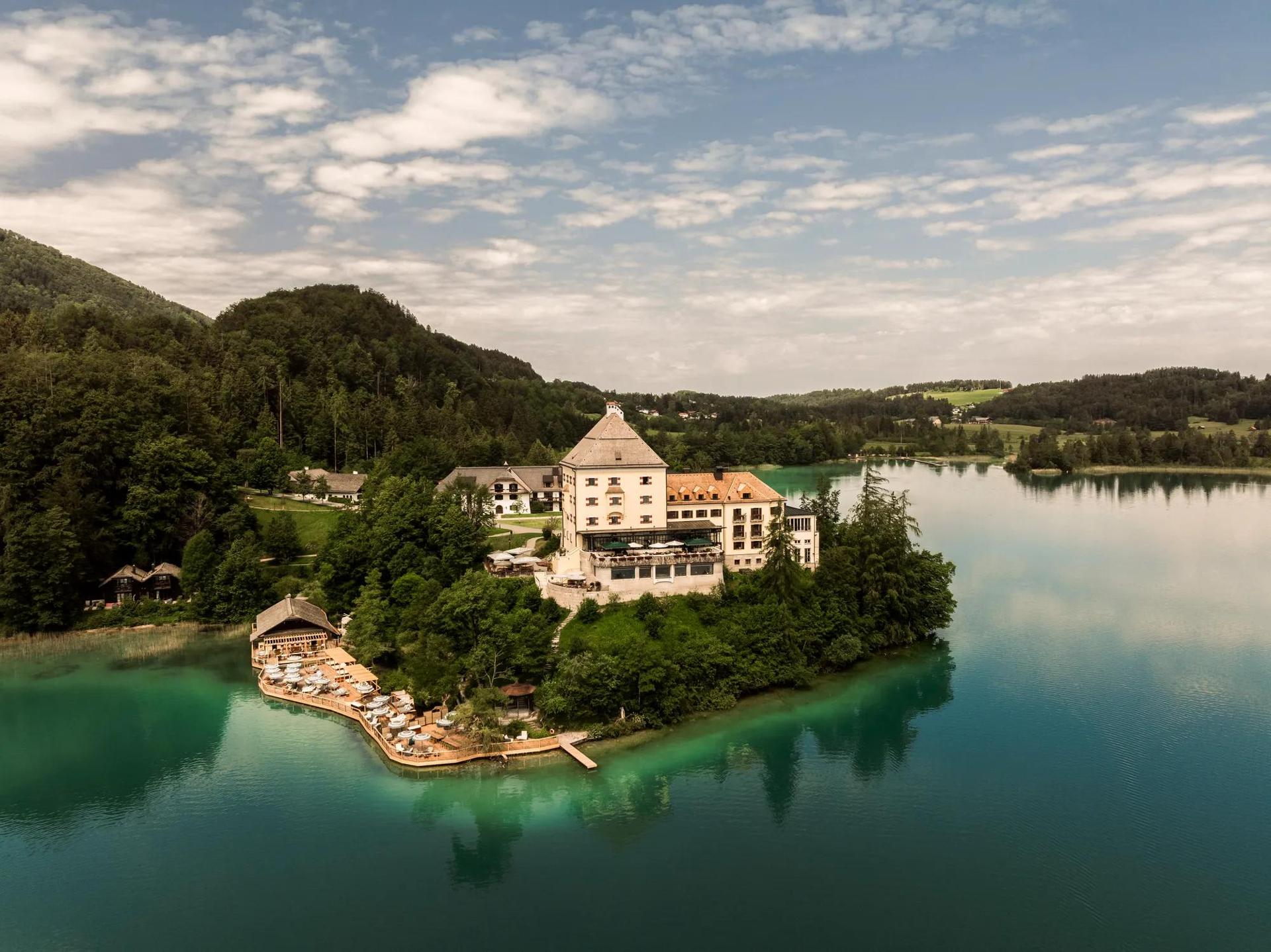
Austria has no seacoast, but its alpine lakes, such as Wolfgangsee and Wörthersee, offer private beaches and upscale boating clubs. Luxury hotels provide private jetties, lakeside spas and exclusive water activities. Lakeside villas guarantee privacy and highly personalised service. Private cruises on the lakes are also very popular.
Gastronomy
Austria’s culinary scene stands out for its Michelin-starred restaurants, traditional inns and historic cafés. Vienna is home to several acclaimed dining rooms, while the wine regions offer private tastings of wines and local specialties. Many 5-star hotels feature award-winning chefs and fully bespoke gastronomic experiences. Gourmet markets and Viennese patisseries are unmissable for lovers of refined flavours.
Culture
Austria is a major centre for classical music, with opera, private concerts and prestigious festivals in Vienna and Salzburg. Museums such as the Kunsthistorisches Museum offer exclusive guided tours. Imperial palaces and castles can be privatized for events or private dinners. The contemporary art scene is also dynamic, particularly in Vienna.
Religion
Most Austrians are Catholic, and many religious buildings, such as St Stephen’s Cathedral in Vienna, are open to visitors. Organ concerts and classical-music masses are regularly held in major churches. Visitors are expected to respect places of worship and local religious traditions. Religious holidays punctuate Austria’s cultural calendar.
Safety and travel advice
Natural disasters
Austria’s main natural risks are avalanches in winter and sudden flooding in certain alpine valleys. Top-tier ski resorts have advanced prevention and information systems. Follow local advice closely, especially when hiking or taking part in mountain activities. Insurance covering winter sports is strongly recommended.
Crime and security
Austria is considered a safe country, with a low crime rate, particularly in tourist areas and high-end establishments. Pickpockets can, however, operate in city centres and on public transport. Luxury hotels provide security services and in-room safes. Remain attentive in crowded places.
Traffic regulations
Driving in Austria is on the right, and the road network is well maintained, including in alpine regions. Motorways require a vignette, available at service stations. Speed limits are strictly enforced, and checks are frequent. High-end car rental services offer vehicles well suited to mountain roads.
Car theft
Car theft is rare, especially for vehicles parked in secure car parks at luxury hotels and resorts. Avoid leaving valuables inside the vehicle. Security and surveillance systems are standard in upscale establishments. Theft insurance is generally included in premium rental contracts.
Travel insurance
Comprehensive travel insurance is strongly recommended, including medical cover, cancellation and sporting activities. High-end establishments sometimes require proof of insurance for certain exclusive experiences. Medical care is excellent but can be expensive without appropriate cover. Check that your policy includes winter sports and mountain stays.